May 20, 2026

Month: June 2025

Buying Bitcoin with a credit card on Coinbase is a popular choice for many new investors. This process involves several steps, from account setup to final transaction. Understanding the specifics of fees, security, and alternative methods is key to making informed decisions.

This guide explores the nuances of purchasing Bitcoin using credit cards on Coinbase, comparing it to other methods, and examining the associated costs and security measures.

Coinbase Bitcoin Purchase Process

Buying Bitcoin on Coinbase using a credit card is a straightforward process, although it’s important to be aware of the associated fees and verification requirements. This guide Artikels the steps involved in completing a purchase.

Account Setup and Verification

Coinbase requires users to create an account and complete a verification process to ensure compliance with regulations. This process is crucial for security and prevents fraudulent activities. Account creation involves providing personal information and verifying your identity. Verification typically involves uploading documents like government-issued IDs and proof of address. These measures help protect both Coinbase and its users.

Payment Options on Coinbase

Coinbase offers various payment methods for purchasing Bitcoin. While credit cards are an option, other methods like bank transfers or wire transfers may be available depending on your location and Coinbase’s service offerings.

Bitcoin Purchase Process (Using Credit Card)

The following table Artikels the typical steps for buying Bitcoin with a credit card on Coinbase:

Step Action Description
1 Account Creation Create a Coinbase account by providing required information and completing the sign-up process.
2 Verification Verify your identity by providing necessary documents (e.g., government-issued ID, proof of address). This process is essential to comply with regulations.
3 Funding Account Link your bank account or credit card to your Coinbase account for funding.
4 Select Bitcoin Choose Bitcoin as the asset you wish to purchase.
5 Enter Amount Specify the amount of Bitcoin you want to buy.
6 Review and Confirm Carefully review the transaction details, including the price, fees, and total amount. Confirm the transaction if everything is accurate.
7 Transaction Confirmation Coinbase will process the transaction. You’ll receive a confirmation message once the transaction is completed.

Transaction Fees

Transaction fees on Coinbase vary based on several factors, including the specific payment method used and the current market conditions. These fees are usually displayed upfront during the purchase process. Understanding these fees is crucial for managing your budget and making informed decisions. Typical fees can range from a few dollars to a percentage of the purchase amount, and are subject to change.

Alternative Methods for Buying Bitcoin

Beyond using a credit card on Coinbase, several other methods exist for acquiring Bitcoin. These alternatives offer varying degrees of convenience, cost, and security. Understanding the nuances of each method is crucial for making informed decisions about your Bitcoin investments.While Coinbase’s credit card option provides a quick and relatively straightforward way to purchase Bitcoin, other avenues may offer advantages depending on individual circumstances.

These alternatives may provide better control over fees, transaction speeds, or overall security profiles. Choosing the right method depends on factors like your existing financial infrastructure, desired transaction speed, and comfort level with different platforms.

Comparison of Bitcoin Purchase Methods

Different approaches to purchasing Bitcoin offer distinct advantages and disadvantages. Factors like transaction fees, speed, and security must be considered when selecting a method.

  • Bank Transfer: This method involves transferring funds directly from your bank account to a Bitcoin exchange. It’s generally a slower process than credit card purchases but often comes with lower transaction fees. The security relies heavily on the security of your bank account and the exchange’s security measures. The transfer time can vary depending on the bank and the exchange, potentially taking several business days.

    An example would be sending funds from a checking account to a cryptocurrency exchange’s bank account.

  • Other Exchanges: Many other cryptocurrency exchanges, besides Coinbase, facilitate Bitcoin purchases. These exchanges often provide various payment options, including bank transfers, and sometimes even debit/credit cards, although this might be limited or involve extra fees. The security of your transactions depends on the exchange’s reputation, security protocols, and your own security practices. A prominent example is Kraken, known for its robust security measures and wide range of payment options.

    Other exchanges like Binance and Gemini offer diverse purchasing options and varying levels of fees.

Security Considerations

The security of your Bitcoin purchase method is paramount. Compromised accounts or fraudulent activities can lead to significant losses. Different methods present varying levels of risk.

  • Credit Card Purchases (Coinbase): While Coinbase implements security measures, credit card transactions inherently carry a risk of fraud. Carefully review Coinbase’s security practices and ensure you’re using a secure internet connection. Using strong passwords and enabling two-factor authentication can enhance security.
  • Bank Transfers: Bank transfers are generally considered more secure than credit card transactions, but not entirely risk-free. Ensuring the exchange you’re using is reputable and maintaining strong passwords is crucial. The security of the bank transfer relies on the security measures of both your bank and the cryptocurrency exchange.
  • Other Exchanges: Security measures on other exchanges vary. Research the exchange’s security protocols and user reviews before making a purchase. It’s vital to utilize strong passwords, enable two-factor authentication, and regularly monitor your account activity. A secure exchange will have a strong track record, robust security audits, and multiple layers of security protection.

Comparative Table of Methods

This table summarizes the key aspects of each Bitcoin purchase method.

Method Fees Speed Security
Credit Card (Coinbase) Variable, often higher than bank transfer; potentially including exchange fees Generally fastest Medium; depends on Coinbase’s security measures and user vigilance
Bank Transfer Generally lower than credit card; potentially including exchange fees Slowest High; if done correctly, typically secure; relies on both bank and exchange security
Other Exchanges Variable; depends on the exchange and payment method Variable; depends on the exchange and payment method Variable; depends on the exchange’s security measures and user vigilance

Fees and Costs Associated with Coinbase Purchases

Coinbase, a popular platform for buying and selling cryptocurrencies, charges various fees when using credit cards for Bitcoin purchases. Understanding these fees is crucial for accurately assessing the true cost of your investment. These fees can significantly impact your profitability and should be factored into your overall financial strategy.Different types of fees are applied depending on the method of purchase and the transaction specifics.

These charges can vary over time, so staying informed is vital. Knowing these costs helps you make informed decisions and compare Coinbase’s fees to those of other exchanges.

Credit Card Transaction Fees

Coinbase typically charges a credit card processing fee on Bitcoin purchases. This fee is often a percentage of the transaction amount. For example, a 3% fee on a $1,000 purchase would result in a $30 fee. These fees are often passed on by Coinbase to the credit card company, adding to the overall cost. The exact percentage may fluctuate and is not fixed.

Other Potential Fees

Beyond the credit card processing fee, other charges might apply. These can include network fees associated with the Bitcoin blockchain. These are transaction fees that are directly related to the Bitcoin network itself, and are often paid by the buyer. These fees fluctuate and are beyond Coinbase’s control.

Comparison with Other Exchanges

Coinbase’s fees for credit card purchases can vary compared to other cryptocurrency exchanges. Some exchanges may have lower processing fees, while others may have different fee structures. Thorough research and comparison are essential to identify the most cost-effective option for your needs. This comparison should include not just the credit card fee but also any other fees.

Transaction Fee Breakdown

Transaction Type Description Typical Fee Structure
Bitcoin Purchase (Credit Card) Buying Bitcoin using a credit card. Usually a percentage of the transaction amount, plus potential network fees.
Bitcoin Purchase (Bank Transfer) Buying Bitcoin using a bank transfer. Usually lower or no fees for the exchange itself.
Bitcoin Sale Selling Bitcoin. Usually a percentage of the transaction amount, plus potential network fees.
Withdrawal Withdrawing Bitcoin from the exchange. Usually a percentage of the amount withdrawn, plus potential network fees.

The table above presents a simplified overview of common transaction types and their associated fees. Different exchanges and platforms may have unique structures, and it’s crucial to check the specific details with the platform before making any transactions. Always review the exchange’s terms and conditions for a comprehensive understanding of all applicable fees.

Security Considerations When Buying Bitcoin

Buying Bitcoin through platforms like Coinbase involves inherent security risks, particularly when using credit cards. Understanding these risks and the precautions taken by Coinbase, alongside personal security measures, is crucial for a safe transaction experience. Protecting your financial information and cryptocurrency holdings requires a proactive approach.Coinbase employs robust security measures to safeguard user accounts and transactions, but users also bear responsibility for their own security.

Maintaining a secure environment involves understanding potential vulnerabilities and implementing appropriate countermeasures.

Coinbase’s Security Measures for Credit Card Transactions

Coinbase implements several security measures to protect users’ credit card information during Bitcoin purchases. These include advanced encryption protocols, which scramble sensitive data, preventing unauthorized access. Furthermore, regular security audits and penetration testing help identify and mitigate potential vulnerabilities in their systems. These measures help protect against fraudulent activities.

Importance of Strong Passwords and Two-Factor Authentication

Robust password management is paramount for safeguarding your Coinbase account. Use a unique and complex password that is difficult to guess. Enable two-factor authentication (2FA) whenever possible. 2FA adds an extra layer of security, requiring a secondary verification method (e.g., a code from an authenticator app) in addition to your password, making unauthorized access significantly harder.

Potential Risks and Vulnerabilities of Using Credit Cards for Cryptocurrency Purchases

Using credit cards for cryptocurrency purchases introduces potential risks. Phishing attacks, where malicious actors try to trick you into revealing your personal information, can target your credit card details during online transactions. Compromised websites or insecure Wi-Fi networks can expose your data to theft. Furthermore, the volatility of cryptocurrency markets can lead to financial losses if not managed carefully.

Steps to Mitigate Risks

Several steps can mitigate these risks:

  • Use strong and unique passwords for your Coinbase account and other online accounts.
  • Enable two-factor authentication (2FA) for enhanced security.
  • Avoid using public Wi-Fi networks for sensitive transactions.
  • Only use trusted and reputable platforms for cryptocurrency purchases.
  • Be wary of suspicious emails or messages requesting your personal information.
  • Monitor your credit card statements regularly for any unauthorized activity.
  • Keep your software and antivirus programs updated.

Buying Bitcoin in General

Purchasing Bitcoin involves several steps and considerations. Understanding the process, available platforms, and payment methods is crucial for a smooth and secure transaction. This section provides a comprehensive overview of these aspects.The process of buying Bitcoin typically involves selecting a platform, funding your account, specifying the amount of Bitcoin you wish to purchase, and completing the transaction. Different platforms may have slightly varying procedures, but the core steps remain consistent.

Bitcoin Exchange Platforms

Numerous platforms facilitate Bitcoin purchases. These platforms act as intermediaries between buyers and sellers, ensuring a secure environment for transactions. Selecting a reputable platform with robust security measures is paramount.

  • Coinbase is a widely recognized platform for buying and selling Bitcoin, known for its user-friendly interface and established reputation. It supports various payment methods and offers a range of features for managing crypto holdings.
  • Kraken is another popular choice, offering advanced trading features for experienced users, along with competitive fees and a secure platform. It is often preferred for its advanced trading tools and support for a wide range of cryptocurrencies.
  • Binance is a global exchange with a vast selection of cryptocurrencies. It is often favored by those seeking a wide range of trading options, although it might have a steeper learning curve than platforms like Coinbase.
  • Gemini is a user-friendly platform that prioritizes security. It is known for its straightforward interface and focus on security measures, making it a good option for those seeking a secure and easy-to-use experience.

Payment Methods

Various payment methods are available for purchasing Bitcoin. The options vary depending on the platform and regional regulations.

  • Debit and credit cards are commonly used payment methods, although they often incur higher fees compared to bank transfers. This is because the card companies take a cut of the transaction.
  • Bank transfers are a widely used option, often associated with lower fees than credit/debit cards. This method often involves a waiting period for the funds to be transferred into the account.
  • Other methods include wire transfers and cryptocurrency-to-cryptocurrency exchanges. Wire transfers, similar to bank transfers, can be time-consuming and involve additional fees, while cryptocurrency exchanges allow for swapping one cryptocurrency for another.

Comparison of Bitcoin Exchange Platforms

The following table provides a comparative overview of prominent Bitcoin exchange platforms, highlighting key features.

Platform Security Fees User Interface Payment Methods
Coinbase High Moderate User-friendly Debit/Credit, Bank Transfer
Kraken High Competitive Advanced Debit/Credit, Bank Transfer, Wire Transfer
Binance High Competitive Complex Debit/Credit, Bank Transfer, Cryptocurrency
Gemini Very High Moderate User-friendly Debit/Credit, Bank Transfer

Understanding Bitcoin

Bitcoin, a digital or cryptocurrency, operates independently of central banks and traditional financial institutions. It leverages a unique technology to facilitate secure and transparent transactions globally. This decentralized nature, coupled with its cryptographic security, has made it a popular asset for both investment and everyday transactions.Bitcoin’s underlying technology relies on a complex system of cryptography and distributed ledger technology, offering an alternative financial system to traditional ones.

This system allows for peer-to-peer transactions without intermediaries, which can significantly reduce costs and enhance efficiency.

Bitcoin’s Underlying Technology

Bitcoin’s foundation is built on a cryptographic system, securing transactions and maintaining a tamper-proof record. Cryptographic hashing algorithms create unique identifiers for transactions, ensuring their integrity and traceability. Public-key cryptography enables secure and verifiable transactions between parties without revealing sensitive information.

Transaction Processing

Bitcoin transactions are initiated by users, who digitally sign their transactions using their private keys. These transactions are then broadcast to a network of Bitcoin nodes. Nodes validate transactions based on predefined rules, verifying their authenticity and consistency with the existing Bitcoin ledger. Once validated, the transaction is added to a block, a data structure containing a batch of verified transactions.

Blockchain and its Role

The blockchain is a decentralized, shared, and immutable ledger that records all Bitcoin transactions. Each block in the blockchain contains a timestamp, a cryptographic hash of the previous block, and the verified transactions. This chained structure ensures that any attempt to alter a past transaction would be immediately detectable, maintaining the integrity and transparency of the Bitcoin network.

The distributed nature of the blockchain means no single entity controls the network, enhancing its security and resilience.

History and Evolution of Bitcoin

Bitcoin was conceived in 2008 by an anonymous person or group known as Satoshi Nakamoto. The initial white paper Artikeld the core concepts of Bitcoin, describing its cryptographic underpinnings and decentralized structure. The first Bitcoin transaction occurred in 2009, marking the beginning of this revolutionary digital currency. Since then, Bitcoin has experienced periods of significant price volatility, regulatory scrutiny, and technological advancements.

Its evolution continues as the technology adapts to evolving needs and user expectations.

Coinbase User Experiences and Reviews

User experiences with Coinbase, particularly regarding Bitcoin purchases using credit cards, vary significantly. While Coinbase is a popular platform, individual experiences can differ based on factors like technical issues, customer support responsiveness, and overall security perceptions. Analyzing these experiences helps understand the strengths and weaknesses of the platform in facilitating Bitcoin purchases.

Ease of Use

User feedback on the ease of use for Bitcoin purchases with credit cards on Coinbase is mixed. Some users praise the straightforward interface and intuitive steps involved in completing a transaction. Others find the process somewhat cumbersome, citing a lack of clarity in certain areas or experiencing unexpected delays. The platform’s design and functionality directly influence user satisfaction with the purchasing process.

  • Positive experiences often highlight the simplicity of the transaction flow, with users finding the process straightforward and user-friendly.
  • Negative experiences often describe a lack of clarity in certain steps, leading to confusion and frustration. Some users mention difficulties understanding the displayed fees or the different options available.

Security

Security is a paramount concern for users engaging in cryptocurrency transactions. Reviews of Coinbase’s security measures regarding credit card-based Bitcoin purchases reveal a spectrum of opinions. Some users express confidence in Coinbase’s security protocols, citing robust measures like two-factor authentication. Others express reservations, pointing to potential vulnerabilities or a lack of transparency regarding security protocols. The perceived security of the platform is a critical factor in user trust and adoption.

  • Users who felt secure frequently mentioned the platform’s strong security features, such as two-factor authentication, which contribute to a positive experience.
  • Users expressing concerns about security often pointed to the potential risks associated with online transactions or the lack of specific details regarding security protocols.

Customer Support

Customer support plays a crucial role in resolving issues and addressing concerns that users may encounter during the Bitcoin purchase process. Coinbase’s customer support receives varying feedback. Some users praise the responsiveness and helpfulness of the support team, while others express dissatisfaction with the time it takes to receive assistance or the perceived lack of efficiency in resolving issues.

Customer support directly impacts the overall user experience.

  • Positive experiences often describe quick responses and helpful support agents, resolving issues effectively and efficiently.
  • Negative experiences frequently highlight lengthy response times, unhelpful agents, or a lack of clarity in the support channels, ultimately impacting user satisfaction.

Summary Table of User Experiences

Category Positive Feedback Negative Feedback
Ease of Use Straightforward process, intuitive interface Lack of clarity, unexpected delays
Security Robust security measures, confidence in protocols Potential vulnerabilities, lack of transparency
Customer Support Responsive and helpful agents Lengthy response times, lack of efficiency

Regulation and Compliance

Buying Bitcoin with credit cards, like any financial transaction, is subject to various regulations and compliance requirements. These regulations aim to protect consumers, maintain financial stability, and prevent illicit activities. Understanding these regulations is crucial for both buyers and platforms like Coinbase.Coinbase, as a major cryptocurrency platform, must adhere to a complex web of financial regulations to ensure the security and legitimacy of its operations.

This includes compliance with anti-money laundering (AML) and know-your-customer (KYC) rules, as well as broader financial regulations that may vary by jurisdiction. These measures are implemented to mitigate risks and maintain trust in the cryptocurrency market.

Compliance with Anti-Money Laundering (AML) Regulations

AML regulations are designed to prevent the use of financial systems for illicit activities, such as money laundering. Coinbase, as a platform facilitating transactions, has a critical role in adhering to these regulations. The company implements robust procedures to verify user identities, monitor transactions for suspicious activity, and report any potential violations to relevant authorities.

Compliance with Know Your Customer (KYC) Regulations

KYC regulations require financial institutions to verify the identity of their customers. This is essential for preventing fraud and financial crime. Coinbase employs comprehensive KYC procedures to verify user identities before allowing them to engage in transactions. These procedures often involve verifying personal information and documents.

Coinbase’s Compliance Procedures

Coinbase employs a multi-layered approach to compliance. This includes advanced transaction monitoring systems, regular security audits, and rigorous training for its staff. The company actively collaborates with regulatory bodies to stay updated on evolving regulations and adapt its procedures accordingly.

Summary of Regulations and Compliance Requirements

Regulation Area Description Coinbase Approach
Anti-Money Laundering (AML) Regulations designed to prevent the use of financial systems for money laundering and other illicit activities. Coinbase employs advanced transaction monitoring systems, suspicious activity reporting, and robust user verification procedures.
Know Your Customer (KYC) Regulations requiring verification of customer identities to prevent fraud and financial crime. Coinbase implements comprehensive procedures for verifying user identities before transactions, using personal information and document checks.
Financial Regulations (Jurisdictional) Broader financial regulations that may vary by jurisdiction. Coinbase adheres to relevant financial regulations in the jurisdictions where it operates, adapting its procedures as needed.

Summary

In conclusion, buying Bitcoin with a credit card on Coinbase is a straightforward process, but it’s crucial to understand the associated fees, security implications, and alternative options. This guide provides a comprehensive overview to help you make informed decisions about your Bitcoin purchases.

Common Queries

Can I use any credit card on Coinbase?

Coinbase typically supports major credit cards, but specific acceptance may vary. Check Coinbase’s website for the most up-to-date information on supported cards.

What are the typical transaction fees?

Transaction fees vary and are often dependent on the credit card provider and Coinbase’s current policies. Check the Coinbase website for details.

How long does it take to receive the Bitcoin after purchase?

The Bitcoin transfer time depends on network conditions, but Coinbase typically processes transactions quickly.

What are the security measures Coinbase uses to protect my credit card information?

Coinbase employs industry-standard security protocols to protect user data, including encryption and fraud prevention measures.
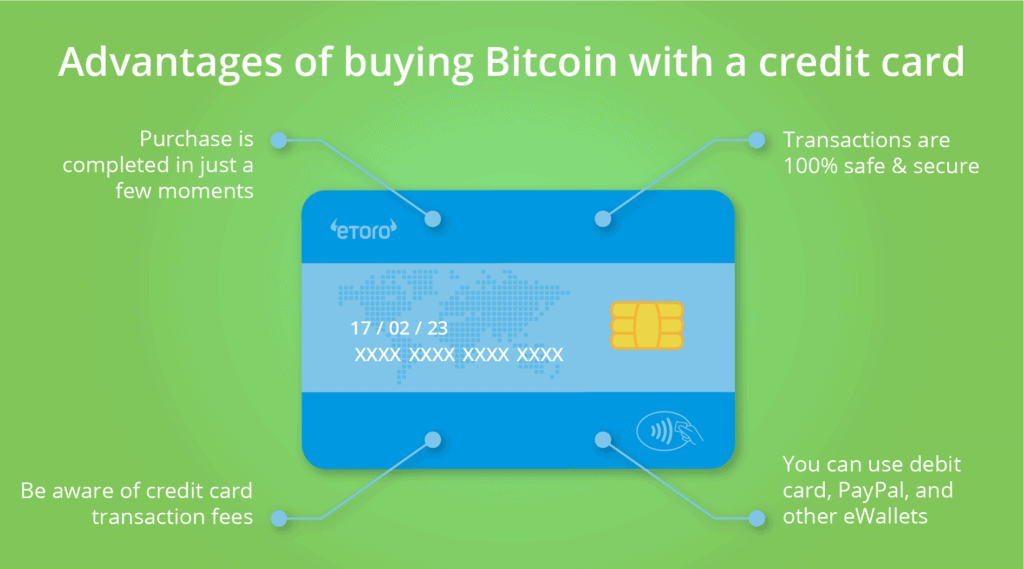
Purchasing Bitcoin with a credit card on the blockchain is a growing trend. This exploration delves into the various methods, emphasizing security considerations and highlighting the role of blockchain technology in these transactions. Understanding the process, potential risks, and regulations is crucial for anyone considering this option.

This guide will cover the intricacies of credit card-based Bitcoin purchases, from the initial setup to the completion of a transaction. We’ll also examine alternative payment methods and the overall regulatory landscape surrounding Bitcoin transactions.

Bitcoin Purchasing Methods

Acquiring Bitcoin involves various methods, each with its own set of procedures and security considerations. Understanding these methods is crucial for safe and efficient Bitcoin transactions. Choosing the right method depends on individual needs and risk tolerance.Different methods offer varying levels of convenience, security, and transaction fees. A crucial factor to consider is the level of security each method provides.

Some methods offer direct access to exchanges, while others leverage third-party services.

Direct Exchange Purchases

Numerous online platforms facilitate direct Bitcoin purchases using various payment methods. These exchanges often offer user-friendly interfaces and robust security measures. However, users must understand the associated risks and implement appropriate security practices.

  • Credit/Debit Cards: Many exchanges allow purchases using credit or debit cards. Users typically complete the purchase through the exchange’s website or mobile app. Security measures often include two-factor authentication (2FA) and secure payment gateways. A significant drawback is that certain transactions might incur higher fees.
  • Bank Transfers: Direct bank transfers provide a secure method to fund Bitcoin purchases. This method typically involves linking a bank account to the exchange platform. Verification procedures and transaction times vary depending on the exchange and the user’s bank. It’s crucial to understand the exchange’s specific procedures regarding bank transfer limitations.
  • Other Digital Wallets: Users can transfer Bitcoin from other digital wallets to their exchange account. This process usually involves sending the Bitcoin to the exchange’s designated wallet address. Security relies on the security of the user’s wallet and the exchange’s security protocols. The transaction speed is often determined by the blockchain network.

Third-Party Platforms

Third-party platforms often offer alternative methods for acquiring Bitcoin. These platforms act as intermediaries between the buyer and the exchange. The selection of a platform often involves evaluating its security features and transaction costs.

  • Peer-to-Peer (P2P) Platforms: P2P platforms connect buyers directly with sellers. This can result in potentially lower fees, but it introduces the risk of dealing with untrustworthy individuals. Buyers should exercise caution and verify seller legitimacy. Security relies heavily on due diligence and careful verification.
  • Crypto ATMs: Crypto ATMs provide a physical method for purchasing Bitcoin. These ATMs use ATMs and typically accept cash. Transaction speed is generally rapid. However, the security of the ATM itself and the associated network are crucial factors to consider.

Comparison of Purchasing Platforms

The table below compares different platforms based on fees, transaction speed, and security measures. These metrics are important factors to consider when selecting a platform.

Platform Fees Transaction Speed Security
Example Platform 1 (Large Exchange) Variable, often lower for higher volumes Generally fast, depending on network congestion High, with 2FA, encryption, and advanced security protocols
Example Platform 2 (P2P Platform) Potentially lower than exchanges, but can vary significantly Can vary widely based on individual transactions Lower compared to exchanges, with reliance on user verification
Example Platform 3 (Crypto ATM) Generally higher per transaction Very fast Security depends on the ATM’s security measures and the specific network

Credit Card Transactions for Bitcoin Purchases

Using credit cards to buy Bitcoin is a common method, facilitated by various payment gateways. This process involves several steps, from selecting a platform to completing the transaction. Understanding the involved parties, security protocols, and potential risks is crucial for a safe and informed experience.The process typically begins with selecting a cryptocurrency exchange or broker that accepts credit cards.

These platforms act as intermediaries between the user and the Bitcoin network. The transaction then proceeds through the chosen payment gateway, which handles the credit card authorization and payment processing. Security is paramount, and reputable platforms employ robust security measures to protect user data and funds.

Payment Gateways and Security Protocols

Payment gateways act as intermediaries between the user’s credit card and the cryptocurrency exchange. They handle the processing of credit card transactions, ensuring secure communication and authorization. Major gateways employed by Bitcoin exchanges utilize advanced encryption protocols, such as SSL/TLS, to protect sensitive information during transmission. These protocols encrypt data exchanged between the user’s browser and the gateway, safeguarding credit card details and transaction information.

Furthermore, reputable gateways employ multi-factor authentication to verify user identities, reducing the risk of fraudulent activity.

Potential Risks and Benefits

Using credit cards for Bitcoin purchases carries inherent risks, such as potential fraud or unauthorized charges. However, the convenience and speed of this method are significant benefits. The risk of credit card fraud can be mitigated by selecting reputable exchanges and payment gateways with robust security measures. The benefit of immediate access to Bitcoin can be appealing, particularly for those seeking quick acquisition.

Common Issues and Challenges

Several issues can arise during credit card-based Bitcoin purchases. Transaction delays, incorrect account information input, or issues with the credit card authorization process can lead to complications. Furthermore, disputes with payment gateways regarding authorization or transaction reversals can occur. Understanding the specific terms and conditions of the selected exchange and payment gateway is essential to address potential problems effectively.

Customer support channels should be readily available to resolve issues promptly.

Regulations and Compliance

The regulations surrounding credit card usage for cryptocurrency transactions vary by jurisdiction. Some regions have specific guidelines regarding the acceptance and processing of cryptocurrency transactions using credit cards. Compliance with these regulations is crucial for exchanges and payment gateways operating within those jurisdictions. Maintaining records of transactions and adhering to KYC (Know Your Customer) and AML (Anti-Money Laundering) regulations are critical components of compliance.

Exchanges are responsible for adhering to local regulations and best practices to ensure security and prevent illicit activities.

The Blockchain Role in Bitcoin Transactions

The blockchain is the fundamental technology underpinning Bitcoin. It acts as a public, distributed ledger, recording every Bitcoin transaction in a secure and transparent manner. This decentralized nature is a key aspect of Bitcoin’s design, enhancing its security and fostering trust among users.The blockchain’s role extends beyond simply recording transactions. It establishes a secure and tamper-proof record, crucial for verifying transactions and maintaining the integrity of the Bitcoin network.

This, in turn, reduces the risk of fraud and enhances the overall reliability of Bitcoin transactions.

Transaction Recording and Verification

The blockchain operates as a continuously growing chain of blocks. Each block contains a set of Bitcoin transactions, chronologically ordered. Once a block is full, it’s cryptographically linked to the preceding block, forming an immutable chain. This chronological ordering and cryptographic linking are crucial for verifying the authenticity and integrity of the transactions.Transactions are verified by network nodes, which collectively validate the transactions’ legitimacy.

This process ensures that only valid transactions are added to the blockchain, maintaining the network’s integrity. Once a transaction is included in a block, it’s essentially permanent and cannot be altered without altering subsequent blocks, which is computationally infeasible.

Cryptographic Techniques for Security

Bitcoin utilizes cryptographic techniques to ensure the security and integrity of transactions. These techniques include digital signatures, hashing algorithms, and public-key cryptography. Digital signatures authenticate the sender of a transaction, while hashing algorithms ensure data integrity by creating unique fingerprints for each block. Public-key cryptography allows for secure communication and transaction validation without revealing sensitive information.These cryptographic methods make it computationally infeasible to alter past transactions or create fraudulent transactions.

The mathematical complexity of these methods provides a strong layer of security for the Bitcoin ecosystem.

Impact on the Bitcoin Ecosystem

The blockchain’s impact on the Bitcoin ecosystem is profound. Its decentralized nature allows for a secure and transparent system that operates independently of any central authority. This decentralization minimizes the risk of single points of failure, enhancing the overall robustness of the network.The transparent nature of the blockchain fosters trust among users by providing a publicly auditable record of all transactions.

This transparency is crucial for maintaining confidence in the system and encouraging widespread adoption.

Blockchain and Trust in Bitcoin Transactions

The blockchain’s design plays a pivotal role in fostering trust in Bitcoin transactions. Its inherent transparency and immutability provide a verifiable record of all transactions, eliminating the need for intermediaries and reducing the risk of fraud. The distributed nature of the blockchain ensures that no single entity controls the system, further enhancing trust and security.By establishing a secure and transparent system, the blockchain addresses the inherent challenges associated with trust in peer-to-peer transactions, making Bitcoin a viable alternative to traditional financial systems.

Buying Bitcoin

How to Buy Bitcoin with Credit Card - Coindoo

Acquiring Bitcoin involves navigating a digital landscape with varying levels of complexity. This process, while seemingly straightforward, requires understanding the steps involved and the nuances of the platforms used. This comprehensive overview details the key aspects of buying Bitcoin, from account setup to market fluctuations.

Choosing a Bitcoin Purchase Platform

Selecting a suitable platform for Bitcoin purchases is crucial for a smooth and secure experience. Factors like security measures, transaction fees, user interface, and customer support all play a significant role in the platform’s suitability.

  • Security Measures: Reputable platforms employ robust security protocols, including two-factor authentication and encryption, to protect user funds. Platforms with a proven track record of security incidents are a good choice.
  • Transaction Fees: Fees associated with Bitcoin transactions vary depending on the platform and the specific transaction type. Lower fees are generally preferable. It’s important to understand these fees before making any purchases.
  • User Interface: A user-friendly interface is essential for ease of navigation. The platform should be intuitive and easy to use, even for those new to cryptocurrency.
  • Customer Support: Reliable customer support is invaluable, especially during technical issues or when needing clarification on transactions. Platforms with responsive and helpful support are more advantageous.

Steps in the Bitcoin Purchase Process

The Bitcoin purchase process typically involves several steps, from account creation to transaction completion. Following these steps ensures a secure and efficient process.

  1. Account Setup: This involves creating an account on a chosen Bitcoin purchase platform, providing necessary information, and verifying identity. Strong passwords and two-factor authentication should be utilized for enhanced security.
  2. Funding the Account: Funds must be deposited into the account. This can be done through various methods, including bank transfers, credit/debit cards, or other digital payment options. The availability of payment methods varies between platforms.
  3. Bitcoin Selection: Specify the amount of Bitcoin to be purchased. Platforms typically allow for a precise amount to be selected.
  4. Transaction Confirmation: Confirm the purchase details and initiate the transaction. Verify the details carefully to avoid errors. The platform will provide confirmation once the transaction is complete.
  5. Bitcoin Wallet Management: Once the purchase is completed, the Bitcoin is held within a digital wallet. This wallet is essential for managing and storing your Bitcoin. Understanding how to access and use the wallet is vital for security.

Bitcoin Wallets and Their Role

Bitcoin wallets are digital storage facilities for Bitcoin. They function as secure containers for your cryptocurrency, allowing you to send, receive, and store Bitcoin.

Different types of wallets exist, each with its own security and usability characteristics. Desktop wallets, mobile wallets, and online wallets are examples of different Bitcoin wallet types. The choice of wallet depends on individual needs and preferences.

The Bitcoin Market and Its Fluctuations

The Bitcoin market is known for its volatility. Prices can fluctuate significantly over short periods, influenced by various market factors.

Historical data reveals that Bitcoin prices have experienced periods of substantial growth and sharp declines. Examples include the 2017 bull run and the subsequent market corrections. Investors need to be aware of these fluctuations and adapt their strategies accordingly.

Understanding market trends and employing appropriate risk management strategies are crucial when dealing with Bitcoin.

Security Considerations

Securing your Bitcoin purchases is paramount. Just like any financial transaction, safeguarding your digital assets requires diligent attention to detail. Implementing robust security measures significantly reduces the risk of loss or unauthorized access to your funds. Understanding the potential threats and vulnerabilities associated with Bitcoin transactions is crucial for mitigating these risks.Protecting your Bitcoin holdings involves more than just choosing a reputable exchange.

It necessitates a proactive approach to security, encompassing various strategies and practices. Diligent attention to detail and a commitment to best practices are essential in navigating the complexities of Bitcoin transactions.

Essential Security Measures

Implementing strong security protocols is vital for protecting your Bitcoin investments. These protocols should be prioritized during the entire process, from account creation to transaction completion. Robust security measures minimize the risk of theft or fraud.

  • Strong Passwords: Employing complex and unique passwords for your Bitcoin accounts is crucial. Avoid using easily guessable passwords or repeating passwords across multiple accounts. Consider using a password manager for secure password generation and storage.
  • Two-Factor Authentication (2FA): Activating 2FA adds an extra layer of security to your accounts. This requires a second verification method, such as a code sent to your phone or a dedicated authenticator app, beyond your password. This significantly enhances security against unauthorized access.
  • Secure Storage: Storing your Bitcoin private keys securely is paramount. Never share your private keys with anyone, and be cautious of phishing attempts that aim to extract this sensitive information. Offline storage methods are highly recommended for maximum security.

Best Practices for Credit Card Transactions

Using credit cards for Bitcoin purchases demands specific security precautions. Prioritize reputable and secure platforms for transactions.

  • Reputable Exchanges: Choose exchanges known for their security measures and compliance with industry standards. Verify the exchange’s security protocols and read reviews from other users to gauge their trustworthiness.
  • Secure Connection: Ensure the website or platform you’re using employs a secure connection (HTTPS). This encryption protects your sensitive information during transmission.
  • Monitor Transactions: Regularly review your transaction history for any unauthorized activity. Immediately report any suspicious transactions to the exchange or your credit card provider.

Common Security Threats and Vulnerabilities

Bitcoin transactions, like any online transaction, are susceptible to various security threats. Awareness of these threats and vulnerabilities is key to preventing loss.

  • Phishing Attacks: Phishing scams attempt to trick users into revealing their personal information, including passwords and private keys. Be wary of suspicious emails or messages requesting sensitive details.
  • Malware Infections: Malware can compromise your devices and steal your credentials. Maintain up-to-date antivirus software and be cautious about downloading files from untrusted sources.
  • Social Engineering: Social engineering tactics exploit human psychology to manipulate users into revealing sensitive information. Be cautious of requests for personal details from unfamiliar sources.

Potential Consequences of Neglecting Security Measures

Neglecting security precautions can lead to severe consequences, including financial loss and reputational damage.

  • Financial Loss: Unauthorized access to your Bitcoin accounts can result in significant financial losses. Theft of funds is a real possibility if security measures are not implemented.
  • Identity Theft: Compromised accounts can lead to identity theft, requiring extensive recovery efforts and potentially significant reputational damage.
  • Legal Ramifications: Some Bitcoin exchanges or financial institutions may hold you responsible for security breaches if adequate measures were not in place.

Regulatory Landscape

The regulatory environment surrounding Bitcoin purchases and transactions is complex and constantly evolving. Different jurisdictions have varying approaches to regulating cryptocurrencies, leading to inconsistencies and challenges for businesses operating in multiple markets. Understanding these regulations is crucial for both individuals and businesses involved in Bitcoin transactions to ensure compliance and avoid potential legal issues.

Regulatory Approaches in Different Jurisdictions

Different countries and regions have adopted diverse approaches to regulating Bitcoin and other cryptocurrencies. Some countries have embraced a more lenient approach, while others have adopted stricter regulations. This divergence in regulatory frameworks impacts how businesses and individuals can legally engage in Bitcoin transactions.

  • United States: The regulatory landscape in the United States is characterized by a patchwork of rules and regulations. The Securities and Exchange Commission (SEC) plays a key role in regulating cryptocurrencies that are deemed securities, while the Commodity Futures Trading Commission (CFTC) focuses on cryptocurrencies classified as commodities. This dual approach can create uncertainty for businesses and investors.

  • European Union: The EU has taken a more unified approach to regulating cryptocurrencies, aiming to create a consistent framework across member states. The EU’s regulatory framework is designed to address investor protection and market integrity. However, the implementation and interpretation of these regulations can vary across member states.
  • United Kingdom: The UK has a proactive approach to regulating cryptocurrencies, focusing on consumer protection and financial crime prevention. The UK’s regulatory environment is evolving to keep pace with technological advancements in the crypto space.
  • China: China has largely banned the use of cryptocurrencies for transactions and investment purposes. This stringent approach aims to mitigate risks associated with volatile cryptocurrency markets and protect investors.

Legal Implications of Using Credit Cards for Bitcoin Purchases

The legal implications of using credit cards for Bitcoin purchases are not uniform and depend on the jurisdiction. In some regions, there may be no explicit prohibition, while in others, there might be regulations governing the use of credit cards for cryptocurrency purchases. Furthermore, the legal standing of Bitcoin itself as a currency or an asset can influence the applicable regulations.

  • Payment Processing Regulations: Credit card networks often have their own policies regarding transactions involving cryptocurrencies. These policies may restrict or limit transactions, and businesses facilitating such transactions must be aware of these restrictions.
  • Anti-Money Laundering (AML) and Know Your Customer (KYC) Regulations: Businesses facilitating Bitcoin purchases are subject to AML and KYC regulations in many jurisdictions. These regulations require verification of customer identities and transaction monitoring to prevent money laundering and terrorist financing. Compliance with these regulations is crucial for businesses to operate legally and avoid legal penalties.
  • Tax Implications: The tax implications of Bitcoin transactions can vary depending on the jurisdiction. Individuals and businesses must understand and comply with the relevant tax laws regarding Bitcoin transactions, including capital gains taxes.

Compliance Requirements for Businesses Facilitating Bitcoin Purchases

Businesses facilitating Bitcoin purchases must comply with various regulatory requirements to ensure legal operations. These requirements can include adhering to anti-money laundering (AML) regulations, implementing know-your-customer (KYC) procedures, and complying with relevant tax laws.

  • AML and KYC Procedures: Robust AML and KYC procedures are crucial to prevent money laundering and terrorist financing. Businesses must implement measures to verify customer identities, monitor transactions, and report suspicious activities to the relevant authorities.
  • Licensing and Registration: Depending on the jurisdiction, businesses might need specific licenses or registrations to operate in the cryptocurrency market. These requirements may vary based on the type of business and the services provided.
  • Record Keeping: Businesses must maintain accurate and complete records of Bitcoin transactions to facilitate compliance with regulatory requirements and respond to inquiries from authorities.

Alternatives to Credit Cards

Beyond credit cards, several alternative payment methods offer diverse advantages for purchasing Bitcoin. These methods cater to different preferences and circumstances, allowing users to choose the option that best suits their needs. Understanding the nuances of each method is crucial for making informed decisions.Alternative payment methods provide flexibility and often different fee structures, transaction speeds, and security protocols compared to credit card purchases.

Factors like transaction fees, confirmation times, and the level of security associated with each method should be carefully considered before making a purchase.

Bank Transfers

Bank transfers, utilizing methods like wire transfers or ACH (Automated Clearing House) transactions, represent a conventional financial approach to Bitcoin purchases. This method often involves initiating a transfer from a linked bank account to a designated Bitcoin wallet address.

Advantages of bank transfers typically include the familiarity and reliability associated with traditional banking systems. They offer a potentially lower transaction fee compared to other methods and can provide a certain level of security due to the established protocols of the banking system. However, transaction speeds can vary significantly depending on the bank and the processing time involved.

For instance, transfers between international accounts can take several days, whereas domestic transfers might be processed within a few business days.

Peer-to-Peer Transactions

Peer-to-peer (P2P) transactions allow direct exchanges between buyers and sellers. Platforms facilitate these transactions, enabling users to connect and negotiate terms. This method can be an attractive option for those seeking flexibility and potential cost savings.

P2P platforms offer opportunities for potentially lower fees than other options, particularly when direct negotiation is involved. However, security concerns are significant. Verification and due diligence measures are essential to mitigate risks associated with fraudulent activities. Transaction speeds can be faster than traditional bank transfers, but they can also be slower if the buyer and seller are in different time zones.

Furthermore, there is often a higher level of risk for both parties involved.

Gift Cards

Gift cards can be used to buy Bitcoin, particularly through third-party platforms that facilitate the exchange. This method allows users to utilize existing gift card balances for cryptocurrency purchases.

Gift cards offer a convenient way to make Bitcoin purchases without relying on bank accounts or credit cards. They can provide a sense of control over spending. However, the process can sometimes involve additional fees charged by the gift card platform. Transaction speeds can be variable, and security measures may differ based on the platform used.

Comparison Table

Payment Method Fees Transaction Speed Security
Bank Transfer Low to moderate, dependent on bank and destination Moderate to slow, days to several days High, but susceptible to errors in the transfer process
Peer-to-Peer Potentially low, but can vary greatly Moderate to fast, but depends on negotiation and communication Moderate to low, significant risk of fraud
Gift Cards Moderate, dependent on platform and exchange rate Moderate, variable depending on the platform Moderate, depends on the platform and security measures employed
Credit Cards Moderate to high, often include transaction fees and percentage charges Fast, typically processed within minutes Moderate, susceptible to fraud, credit card issues, and chargebacks

Wrap-Up

In conclusion, buying Bitcoin with a credit card on the blockchain involves navigating a complex web of security considerations, payment gateways, and regulations. While the process can be streamlined with the right knowledge and tools, careful consideration of security measures and alternative payment methods is essential. This comprehensive guide provides a roadmap for understanding the complexities of this increasingly popular financial method.

Commonly Asked Questions

Can I use any credit card to buy Bitcoin?

Generally, major credit cards are accepted by most Bitcoin platforms. However, specific terms and restrictions may apply. It’s always best to check with the platform you’re using.

What are the potential risks of using credit cards for Bitcoin purchases?

Credit card fraud and potential transaction issues are possible risks. Additionally, there might be transaction fees or limitations associated with certain credit cards.

How secure are Bitcoin transactions on the blockchain?

Bitcoin transactions on the blockchain are generally secure due to cryptographic techniques. However, user errors and platform vulnerabilities can still pose a risk. Strong security measures on your end are vital.

What are the different Bitcoin wallets available?

Numerous Bitcoin wallets exist, ranging from desktop applications to mobile apps and web-based wallets. Each has its own security features and functionalities.

Navigating the world of cryptocurrency can feel daunting, but understanding platforms like Paxful is key to securing a smooth Bitcoin purchase. This guide delves into the intricacies of buying Bitcoin on Paxful, providing a thorough overview of the platform, its methods, security considerations, and user experiences. We’ll explore the steps involved, from account setup to transaction completion, ensuring you’re well-informed before making your first purchase.

This in-depth analysis examines Paxful’s strengths and weaknesses, compares it to other exchanges, and highlights the essential factors to consider when engaging with this platform. We’ll also unpack the potential risks and offer strategies to mitigate them. Furthermore, real-world examples and user testimonials will add context to the discussion, ultimately empowering you to make an informed decision.

Paxful Overview

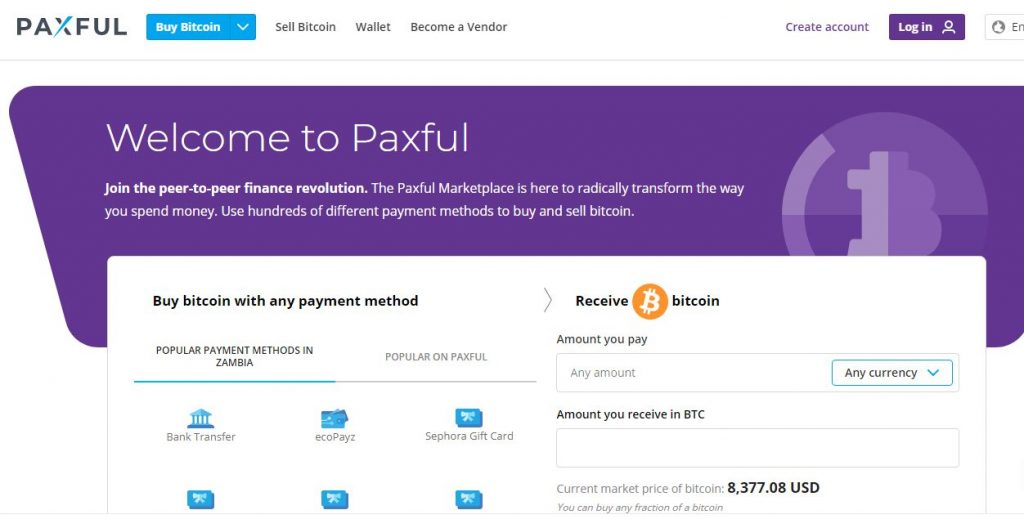
Paxful is a peer-to-peer (P2P) Bitcoin marketplace that connects buyers and sellers directly. Unlike traditional exchanges, Paxful allows users to trade Bitcoin with each other, fostering a decentralized and potentially more accessible platform for Bitcoin transactions. This unique approach is a core component of its appeal, often attracting users seeking greater control over their transactions and potentially lower fees.Paxful’s business model revolves around facilitating these direct transactions.

Users can list Bitcoin for sale at a specified price, and other users can purchase it directly from the listed sellers. The platform acts as a secure intermediary, providing a platform for both parties to complete the transaction and handling the necessary security measures. A crucial part of this model is the escrow service, safeguarding funds until the transaction is confirmed.

Payment Methods Supported

Paxful supports a diverse range of payment methods for buying Bitcoin, expanding access to users worldwide. This extensive array of payment options is a key selling point for Paxful. This allows users to choose the method most convenient for them, fostering a wider user base. Popular options include bank transfers, credit/debit cards, and various cryptocurrency payments.

  • Bank transfers provide a secure way to move funds, but they often have processing times that vary by region and bank. The processing time and fees are typically more predictable than other methods.
  • Credit/debit cards are widely accepted and offer faster processing than bank transfers. However, transaction fees are generally higher and are often subject to additional charges from card providers.
  • Cryptocurrency payments allow for quicker transactions and lower fees compared to traditional methods, but they can also expose users to risks associated with volatile cryptocurrency markets.

User Experiences

User experiences on Paxful are varied, reflecting the platform’s complex nature. Some users praise the platform’s diverse payment options, while others express concerns about security and the potential for scams.

  • Positive experiences often highlight the convenience of direct trading and the potential for lower fees compared to traditional exchanges. Users also appreciate the wide range of payment methods, which caters to a broader audience.
  • Negative experiences frequently center on the risk of encountering fraudulent sellers or buyers. The lack of platform-level verification and dispute resolution processes can also be problematic for some users. Delays in transactions or difficulties in resolving disputes are other recurring issues.

Comparison to Other Exchanges

Feature Paxful Coinbase Binance
Transaction Speed Variable, dependent on payment method Generally fast Very fast
Fees Potentially lower than traditional exchanges, but can vary Moderate Low to moderate, depending on the trade volume
Security Relies on user verification and escrow services Robust security measures Robust security measures, but users must be aware of KYC/AML
User Base Large, diverse, and often includes users from developing nations Large and established user base, primarily in developed markets Large and diverse user base, with significant volume

The table above presents a basic comparison, highlighting that Paxful’s strength lies in its accessibility, while other exchanges prioritize speed and security.

Buy Bitcoin on Paxful – Methods & Processes

Paxful Bitcoin Review: Cryptocurrency Exchange | FiFi Finance

Paxful offers a diverse platform for buying Bitcoin, catering to a broad range of users and payment methods. Understanding the process from initial account setup to final transaction completion is crucial for a smooth and secure experience. This section details the steps involved, supported payment methods, security protocols, and important considerations for buyer safety.

Account Creation and Verification

Setting up a Paxful account involves providing personal information, confirming identity, and adhering to the platform’s terms of service. This process helps ensure the security of transactions and compliance with regulations. The verification process typically includes uploading documents like government-issued IDs and proof of address. Completing these steps is vital for facilitating future transactions.

Transaction Process Overview

The Bitcoin purchase process on Paxful typically involves finding a suitable seller, initiating a transaction, transferring funds to the seller, and receiving the Bitcoin. Paxful’s platform facilitates communication between buyers and sellers, allowing for negotiation of terms and conditions before proceeding. Thorough understanding of the process, including seller reviews and transaction history, is vital for a successful outcome.

Supported Payment Methods

Paxful supports a wide range of payment options for Bitcoin purchases. These methods encompass traditional banking systems, mobile wallets, and other digital payment platforms. This diversity allows users to select the method that best suits their needs and financial situation. Examples include bank transfers, wire transfers, and various e-wallets, depending on the seller’s preferences.

Security Measures on Paxful

Paxful employs a multi-layered security approach to safeguard user funds and information. These measures are designed to mitigate risks associated with online transactions.

Security Measure Description
Transaction Escrow Paxful’s escrow service ensures that funds are held in a neutral account until the transaction is completed.
Seller Verification Paxful verifies sellers through various checks to enhance buyer confidence and reduce fraud.
Buyer Protection Paxful offers buyer protection policies that cover potential disputes and ensure a certain level of security.
Two-Factor Authentication Enabling two-factor authentication adds an extra layer of security to protect user accounts from unauthorized access.

Identifying and Verifying Paxful Sellers

Thorough seller verification is essential to mitigate risks associated with online transactions. Paxful provides several tools and resources to help buyers assess the trustworthiness of potential sellers. Factors to consider include seller ratings, transaction history, and communication patterns. A high volume of positive reviews, a history of completed transactions, and clear communication signals a reliable seller. Furthermore, sellers with detailed seller profiles that address transaction history, contact information, and past experience contribute to assessing trustworthiness.

Evaluating a seller’s profile provides valuable insights.

Buying Bitcoin – General Overview

Bitcoin, a decentralized digital currency, has captured significant attention in the financial world. Understanding the process of buying Bitcoin, the factors influencing its price, its historical context, and the associated risks is crucial for anyone considering investment. This section provides a comprehensive overview of these aspects.Buying Bitcoin involves several methods, each with its own nuances and considerations. Different platforms and exchanges offer varying options, from peer-to-peer transactions to direct purchases through regulated exchanges.

This flexibility allows users to choose methods aligned with their comfort level and transaction preferences.

Bitcoin Purchase Methods

Various platforms facilitate Bitcoin purchases, each with its own advantages and disadvantages. Direct purchases from exchanges, often offering faster transactions and greater security, are frequently favored by many. Peer-to-peer platforms, such as Paxful, provide opportunities for potentially lower fees but often require more due diligence from the buyer.

Factors Influencing Bitcoin Price

The price of Bitcoin is a complex interplay of numerous factors. Market sentiment, news events, regulatory changes, and technological advancements all contribute to fluctuations. For instance, positive regulatory news in a major jurisdiction can often boost the price, while concerns about the future of blockchain technology can lead to a decline. Speculative trading plays a significant role in price movements, amplifying fluctuations in either direction.

Bitcoin’s History and Role in Finance

Bitcoin’s emergence as a decentralized cryptocurrency revolutionized the financial landscape. Initially conceived as a peer-to-peer electronic cash system, it has evolved into a global asset class with significant market capitalization. Its history is marked by periods of rapid growth, price volatility, and regulatory scrutiny, demonstrating its impact on financial markets.

Risks Associated with Buying Bitcoin

Investing in Bitcoin, like any other investment, carries inherent risks. Price volatility is a major concern, as Bitcoin’s value can fluctuate significantly in short periods. Security risks, such as hacking and fraud, are also present in the cryptocurrency space. Regulatory uncertainty, particularly in emerging markets, can impact the long-term viability and legal status of Bitcoin.

Importance of Research and Due Diligence

Thorough research and due diligence are crucial before purchasing Bitcoin. Understanding the underlying technology, market dynamics, and potential risks is essential for making informed decisions. Conducting thorough research into different platforms, examining their security measures, and scrutinizing user reviews can significantly mitigate potential risks.

Pros and Cons of Bitcoin Purchase Platforms

Platform Type Pros Cons
Regulated Exchanges Faster transactions, robust security measures, often lower transaction fees for higher volumes, user-friendly interfaces. Potential for higher fees on smaller transactions, limited control over the process, less anonymity.
Peer-to-Peer Platforms Potentially lower transaction fees, greater anonymity, diverse payment options. Higher risk of scams, slower transaction times, more responsibility on the buyer for verifying the seller and transaction security.

Security and Risks Associated with Paxful

Paxful, a peer-to-peer Bitcoin marketplace, offers a convenient way to buy and sell Bitcoin. However, like any platform connecting strangers, it comes with inherent security risks. Understanding these risks and implementing appropriate safety measures is crucial for a smooth and secure experience.

Paxful’s Security Protocols

Paxful employs various security measures to mitigate fraudulent activities. These include robust verification processes for users, a system for flagging potentially suspicious accounts or transactions, and a dedicated support team to address user concerns. Furthermore, Paxful utilizes escrow services for transactions, which safeguard funds until both buyer and seller confirm the completion of the exchange. The platform also provides educational resources to users regarding best practices for safe trading.

Potential Risks of Buying Bitcoin from Individuals on Paxful

Buying Bitcoin from individuals on Paxful introduces several potential risks. One key risk is dealing with fraudulent sellers. These sellers may use deceptive tactics to defraud buyers, such as offering inflated prices or misrepresenting the quality or legitimacy of the Bitcoin being offered. Another risk involves encountering individuals who may attempt to scam buyers through various methods, potentially resulting in financial loss.

Strategies for Minimizing Risks

To minimize the risks associated with buying Bitcoin on Paxful, buyers should exercise caution and implement proactive strategies. Thorough seller verification is crucial; inspect the seller’s profile details carefully, looking for any inconsistencies or red flags. Utilizing Paxful’s escrow service is highly recommended, ensuring the safety of funds during the transaction. Finally, conducting thorough research on the seller’s reputation, checking for reviews or feedback from other users, is a vital step to reduce potential risks.

Real-World Examples of Scams

Several instances of scams and fraudulent activities have occurred on Paxful. One common scenario involves sellers offering Bitcoin at significantly lower prices than the market rate, which is a clear indicator of fraudulent intent. Another example involves sellers using fake identities or profiles to deceive buyers, hiding their true intentions and leading them into scams. The platform regularly updates its fraud prevention measures based on reported incidents.

Common Red Flags to Watch Out For

Several red flags should raise immediate suspicion when dealing with sellers on Paxful. Unusually low prices, requests for payment outside the platform’s escrow system, or vague or contradictory information provided by the seller should be scrutinized. Furthermore, a lack of verifiable seller reviews or a sudden change in communication style could signal a potential scam attempt.

Steps to Take if a User Experiences a Problem or Faces Fraudulent Activity

Users experiencing problems or encountering fraudulent activity on Paxful should take immediate action. First, contact Paxful’s support team, providing all relevant details about the incident. Document all communication with the seller, noting dates, times, and specific details of the transaction. Preserve any evidence, such as screenshots of messages or transaction records, to aid in the investigation. Following Paxful’s reporting procedure is essential for ensuring a swift and effective resolution.

Problem/Issue Steps to Take
Seller is not responding Contact Paxful support, document communication, provide evidence
Seller requests payment outside Paxful’s system Do not comply, contact Paxful support, report the seller
Seller offers Bitcoin at unusually low prices Do not proceed with the transaction, contact Paxful support, research seller’s reputation
Seller’s profile shows inconsistencies or red flags Do not proceed with the transaction, report the seller to Paxful support

Paxful User Reviews and Testimonials

User reviews and testimonials offer valuable insights into the Paxful platform’s strengths and weaknesses. They provide direct feedback from users, highlighting aspects like security, transaction speed, and seller reliability. Analyzing these reviews allows a deeper understanding of the platform’s performance and user experience.User reviews can offer a nuanced perspective beyond generalized statistics. Individual experiences can reveal hidden issues or unexpected benefits that may not be apparent from aggregated data.

This detailed perspective is crucial for assessing the platform’s overall viability.

Review Categorization and Analysis

User reviews on Paxful can be categorized to understand user experiences across various aspects of the platform. This analysis provides a more comprehensive view than a simple summary. Categorization allows for targeted insights into specific areas of concern or praise.

  • Security: Reviews addressing security measures, such as verification processes, fraud prevention mechanisms, and the platform’s response to security incidents, are crucial for evaluating Paxful’s commitment to user protection. User experiences regarding the effectiveness of security protocols are vital for potential users. Specific instances of successful security measures or fraudulent activity reported, and the platform’s response, help to build a clear picture.

  • Transaction Speed: The time it takes for transactions to be completed is a significant factor for users. Reviews on transaction speed, including examples of both quick and slow transactions, help to understand the platform’s efficiency. Delays or unexpected complications encountered during transactions are valuable information to understand.
  • Seller Reliability: The reliability of sellers on Paxful is a significant factor. Reviews should include examples of both positive and negative experiences with sellers, including the verification process and adherence to agreed-upon terms. The overall reputation of the seller community on the platform can impact the user experience.
  • User Interface and Experience: Reviews on the ease of use, navigation, and overall user experience with the platform’s interface are important to consider. User comments on the platform’s design and functionality can help identify areas for improvement.

Average Ratings and Feedback

A table summarizing average ratings and feedback across different aspects of the platform can offer a quantitative overview of the user experience. This table is useful for quickly comparing the strengths and weaknesses of different aspects of Paxful.

Feature Average Rating General Feedback
Security 3.8/5 Mixed reviews. Some users praise the verification process, while others report issues with fraud prevention.
Transaction Speed 4.2/5 Generally fast transactions, but some users reported delays due to various reasons.
Seller Reliability 3.5/5 Majority of reviews highlight inconsistent seller reliability. Some sellers are highly reliable, but others exhibit issues.
User Interface 3.9/5 Generally user-friendly, but some users report areas needing improvement.

Identifying Biases and Inaccuracies

Identifying potential biases or inaccuracies in user reviews is critical for accurate assessment. Review accuracy depends on user experiences and how they perceive the platform. Understanding the context behind the reviews is essential.

  • Emotional Tone: Reviews with highly emotional language (positive or negative) might reflect strong personal feelings rather than objective assessments. Neutral reviews often offer a more balanced perspective.
  • Specific Examples: Reviews including specific examples, such as transaction details, seller interactions, or security incidents, are more reliable than general statements. The inclusion of specific details enhances the objectivity of the review.
  • Review Length: Shorter reviews may lack sufficient detail and depth, while overly long reviews might be biased due to the user’s individual experience.
  • User Profile: Consider the user’s experience level and potential biases. A user with limited experience might have a different perspective compared to a long-time user.

Illustrative Scenarios

Paxful, a peer-to-peer Bitcoin marketplace, offers numerous opportunities for buying and selling cryptocurrencies. However, like any online platform, it comes with potential risks. Understanding these scenarios is crucial for navigating the platform safely and successfully.

A Successful Bitcoin Purchase

A smooth transaction on Paxful involves careful preparation and adherence to the platform’s guidelines. Alice, a new user, wants to buy 1 BTC. She researches reputable sellers with positive feedback and selects a seller with a high transaction volume and a verified profile. She uses the platform’s escrow service for added security. Alice carefully reviews the seller’s Bitcoin address and confirms it matches the seller’s Paxful profile.

She initiates the transaction, providing payment details, and monitors the transaction status through the Paxful platform. Once the seller confirms receipt of payment, the Bitcoin is transferred to Alice’s designated wallet.

Encountering a Fraudulent Seller

Bob, a Paxful user, encounters a seller claiming to offer a significant discount on Bitcoin. The seller requests payment through a non-Paxful method, like a cryptocurrency exchange not directly connected to the platform. Bob’s intuition tells him something is amiss. He should avoid this scenario. A red flag is the request to bypass the Paxful escrow system, which protects both buyer and seller.

The best course of action is to report the seller to Paxful and block them from further contact. Contacting Paxful support is vital to prevent further losses and get assistance in resolving the issue.

Account Issues and Resolution

Charlie faces issues with his Paxful account. His account is temporarily suspended due to suspected fraudulent activity. He immediately contacts Paxful support, providing all requested documentation to demonstrate his innocence. The support team reviews his account and transaction history. Charlie collaborates fully with Paxful support, providing necessary information to rectify the issue.

Following the resolution, Charlie understands the importance of adhering to platform rules to maintain a positive account status. The outcome is a restored account, providing a valuable lesson in platform compliance.

Types of Fraudulent Activities

Various fraudulent tactics exist on Paxful. One common method involves impersonation, where sellers use false identities to deceive buyers. Another tactic is the “fake escrow” scam, where fraudulent sellers create fake escrow services. Additionally, “request for payment outside the platform” is a clear sign of fraud. Buyers should be wary of overly enticing offers, as these are often red flags.

Checking seller reviews and transaction history can help identify potentially fraudulent activities. Verification of seller information and adhering to platform security measures are crucial to preventing these fraudulent activities.

Resolving Disputes with Sellers

David and Emily have a disagreement regarding a Bitcoin transaction. David believes Emily hasn’t sent the Bitcoin as agreed. David can use the Paxful dispute resolution process. He initiates a dispute, detailing the specifics of the disagreement and providing evidence, like screenshots of transaction history. Paxful investigates the issue, contacting both parties to gather information.

Paxful aims to resolve disputes fairly and efficiently. Following a thorough investigation, Paxful determines the outcome and takes appropriate action, ensuring fair treatment for both parties.

Closure

In conclusion, buying Bitcoin on Paxful can be a viable option, but it’s crucial to approach it with careful consideration. This guide has provided a comprehensive overview of the platform, including its processes, security protocols, and user experiences. Remember to thoroughly research, understand the risks, and prioritize your security throughout the transaction process. By applying the knowledge presented, you’ll be well-equipped to navigate the world of Bitcoin purchases on Paxful.

FAQ

What are the typical fees associated with buying Bitcoin on Paxful?

Paxful’s fees can vary based on the seller and payment method. Some sellers may charge a premium, while others may not. It’s essential to check the seller’s listing for details before initiating a transaction.

How can I verify the identity of a Paxful seller?

Paxful offers various seller verification levels. Look for sellers with verified accounts and positive reviews. Scrutinize the seller’s profile, including their transaction history, and ensure they’ve completed a sufficient number of transactions.

What are some common scams to watch out for when buying Bitcoin on Paxful?

Be wary of sellers promising unusually high returns or requesting funds for escrow services outside of Paxful’s platform. Always use the platform’s built-in escrow system and be cautious of requests for sensitive information beyond what is necessary for the transaction.

What steps should I take if I encounter a fraudulent seller on Paxful?

Immediately report the fraudulent seller to Paxful’s support team. Provide all relevant details about the transaction and the seller’s actions. Paxful’s dispute resolution process can help mediate the situation and safeguard your funds.

Investing in Bitcoin is becoming increasingly popular, and Fidelity offers a convenient platform for this. This guide dives deep into buying Bitcoin through Fidelity, covering everything from account setup to transaction fees and security. We’ll explore the process, compare it to other platforms, and examine the potential risks and rewards.

Fidelity’s Bitcoin buying service provides a secure and regulated way for investors to access this digital asset. Understanding the nuances of the platform, including fees and security measures, is crucial for making informed decisions.

Introduction to Buying Bitcoin on Fidelity

Fidelity Investments offers a platform for buying and selling Bitcoin, providing a convenient way for investors to access this digital asset. This service is integrated into their existing brokerage platform, allowing users to manage their Bitcoin holdings alongside other investments. The process involves account creation, verification, and understanding the different account types available.The process of purchasing Bitcoin on Fidelity is straightforward, mirroring the typical account opening and verification procedures for other financial products.

This streamlined approach allows investors to focus on their investment strategies without unnecessary complications. Fidelity’s commitment to security ensures the safety of customer assets.

Account Opening and Verification

Fidelity requires a comprehensive verification process for all new accounts, including those for Bitcoin trading. This process helps ensure compliance with regulations and safeguards against fraud. Verification typically involves providing personal information, confirming identity documents, and potentially undergoing further checks. The specific requirements may vary based on local regulations and the investor’s profile.

Bitcoin Account Types

Fidelity offers various account types for managing investments, including those specifically designed for Bitcoin. A common type is the brokerage account, which allows users to hold and trade Bitcoin alongside other assets within the same platform. Different account types might have varying fees or features, so it’s important to understand the specifics before opening an account.

Security Measures

Fidelity employs robust security measures to protect customer Bitcoin holdings. These measures typically include multi-factor authentication, encryption of data, and regular security audits. Fidelity also partners with third-party security providers to maintain the highest level of protection for user assets. These measures are designed to safeguard against unauthorized access and protect against potential threats.

Steps to Buy Bitcoin on Fidelity

This table Artikels the general steps involved in purchasing Bitcoin on Fidelity.

Step Action
1 Open a Fidelity brokerage account.
2 Verify your identity by providing required documents.
3 Fund your account with the desired amount.
4 Place a buy order for Bitcoin.
5 Monitor your Bitcoin investment.

Comparing Fidelity Bitcoin Trading with Other Platforms

Fidelity Investments to Launch Bitcoin Trading In Few Weeks

Fidelity’s entry into the cryptocurrency market with Bitcoin trading services presents a compelling alternative to established cryptocurrency exchanges. Understanding how Fidelity’s platform stacks up against competitors is crucial for investors seeking to buy and sell Bitcoin. This comparison considers key aspects like fees, security, and user experience to help investors make informed decisions.While Fidelity offers a convenient and secure way to access Bitcoin through its existing brokerage platform, its approach differs from dedicated cryptocurrency exchanges.

This difference in approach impacts the user experience and the available features.

Comparison of Key Features

Comparing Fidelity’s Bitcoin trading with other platforms reveals distinct advantages and disadvantages. A comprehensive understanding of these differences is essential for investors.

Feature Fidelity Other Platform (e.g., Coinbase, Kraken)
Fees Generally lower trading fees compared to some cryptocurrency-specific exchanges, but potential hidden fees in platform fees or transaction fees. These fees may vary based on the specific account type. Often have tiered fee structures, with lower fees for higher volume transactions, or tiered fees based on transaction type. Explicit fees are typically disclosed upfront.
Transaction Speed Transaction speeds depend on network conditions and the volume of transactions. Often faster than many traditional banking transactions but slower than dedicated cryptocurrency exchanges. Transaction speeds typically faster than Fidelity, especially during periods of high network activity.
Security Fidelity utilizes robust security measures, including multi-factor authentication and advanced fraud detection. Their security infrastructure is generally comparable to major financial institutions. Security protocols vary between platforms. Some have more stringent security measures and are audited more frequently than others. Reputation and regulatory compliance also play a significant role.
User Experience User interface is integrated within the existing Fidelity platform. Familiar to existing Fidelity customers but may be less intuitive for those unfamiliar with crypto. Dedicated cryptocurrency exchanges often have interfaces specifically designed for crypto trading, offering a more focused experience.

Target Audience Differences

The target audience for Fidelity and other dedicated cryptocurrency exchanges varies.

  • Fidelity primarily targets established investors already familiar with traditional brokerage platforms. Its user base likely consists of those seeking to add Bitcoin to their existing portfolios without completely switching platforms. It’s ideal for investors comfortable with established financial institutions.
  • Other Platforms (Coinbase, Kraken, etc.) often cater to a broader audience, including those new to cryptocurrency and those seeking a more focused crypto trading experience. These platforms often feature more advanced trading tools and options, appealing to more active and experienced crypto investors.

User Experience Variations

The user experience between Fidelity and other platforms is a critical factor.

  • Fidelity provides a user-friendly experience for those already comfortable with their platform, but might feel less streamlined for those unfamiliar with the cryptocurrency landscape.
  • Other Platforms may offer more intuitive interfaces for cryptocurrency-specific trading, including tools like charts and order types tailored to crypto markets. This often makes it easier to navigate and execute transactions for those who are more familiar with cryptocurrency trading.

Understanding Bitcoin Trading Fees and Costs

Understanding the various fees associated with Bitcoin trading is crucial for anyone considering purchasing Bitcoin on Fidelity or any other platform. These fees can significantly impact your overall investment cost and profitability. This section details the different types of fees, how they’re calculated, and how to factor them into your Bitcoin purchase decisions.

Types of Bitcoin Trading Fees on Fidelity

Fidelity charges several types of fees when buying or selling Bitcoin. These are crucial to understanding before making a transaction.

  • Platform Fees: These are the fees Fidelity charges for using its platform to execute trades. They’re typically a percentage of the transaction amount or a flat fee, depending on the specific trade type. These fees are a fundamental component of the overall cost of trading Bitcoin on Fidelity.
  • Network Fees (or transaction fees): These fees are not charged by Fidelity directly but are incurred by the Bitcoin network itself. These fees are essential for processing transactions on the blockchain. The amount varies depending on the network congestion and the transaction’s size.
  • Other Potential Fees: While less common, other potential fees might include inactivity fees or account maintenance fees. However, these fees are usually minimal and should be explicitly stated in Fidelity’s fee schedule.

Fee Calculation and Presentation

Fidelity typically presents fees clearly in its transaction details. They are usually displayed in the order of execution, with a breakdown of platform fees and network fees. This allows investors to understand the total cost of their purchase or sale. The precise calculation methods for these fees are often found in the platform’s fee schedule or help documentation.

Fee Structure Example

Fee Type Description Example Amount
Platform Fee Percentage-based fee charged by Fidelity for executing the trade. $10 (e.g., 0.5% on a $2,000 transaction)
Network Fee Fee charged by the Bitcoin network for processing the transaction. $1 (variable based on network congestion)

Impact on Overall Cost

The cumulative impact of these fees can be substantial. For instance, a relatively small platform fee can become significant when purchasing multiple Bitcoin units. Adding network fees further increases the overall cost. Investors should always factor these costs into their budget and investment strategy.

Calculating Total Cost

To calculate the total cost of a Bitcoin purchase, you need to sum the platform fee and the network fee. For example, if you purchase 1 Bitcoin at $30,000 and Fidelity charges a 0.5% platform fee and a $1 network fee, the total cost would be:

$30,000 (Bitcoin Price) + ($30,000

0.005) (Platform Fee) + $1 (Network Fee) = $30,151

This example demonstrates how these fees contribute to the total cost, and how understanding them is crucial for informed investment decisions.

Buying Bitcoin

Bitcoin, a decentralized digital currency, has gained significant traction in recent years, attracting both investors and everyday users. Its unique characteristics, however, come with inherent risks and complexities that require careful consideration. Understanding these aspects is crucial before making any investment decisions.

Understanding Cryptocurrency

Cryptocurrencies like Bitcoin operate on a decentralized network, meaning they aren’t controlled by any single entity or government. This decentralized structure is often cited as a key benefit, offering potential for greater financial freedom and reduced reliance on traditional financial institutions. However, this decentralized nature also contributes to the volatility often associated with cryptocurrencies. Their value fluctuates significantly, making them a higher-risk investment compared to traditional assets.

This volatility is influenced by factors such as market sentiment, technological advancements, and regulatory changes.

Potential Benefits and Risks

Bitcoin, as a digital asset, offers several potential advantages. These include the possibility of substantial returns, as witnessed by periods of rapid price appreciation. Furthermore, cryptocurrencies like Bitcoin can facilitate cross-border transactions more quickly and potentially more cheaply than traditional methods. However, these benefits are accompanied by significant risks. The inherent volatility of cryptocurrency markets means investments can experience substantial losses.

Regulatory uncertainty and technological issues can also negatively affect the value of cryptocurrencies. A lack of traditional protections, such as those available with regulated financial instruments, also adds to the risk profile.

Technical Aspects of Bitcoin Transactions

Bitcoin transactions are recorded on a public ledger called the blockchain. This ledger, shared across the network, ensures transparency and security. Each transaction is cryptographically secured, preventing fraudulent activities. This cryptographic security is achieved through a complex system of public and private keys. These keys are essential for authorizing and verifying transactions, similar to how passwords secure online accounts.

Understanding these technical aspects helps appreciate the underlying security and transparency of Bitcoin transactions.

Comparing Bitcoin with Other Investments

Investment Type Description Pros Cons
Bitcoin Decentralized digital currency Potential for high returns, cross-border transactions High volatility, regulatory uncertainty, lack of traditional protections
Stocks Represent ownership in a company Potential for dividend income, historical growth Company-specific risk, market fluctuations
Bonds Debt instruments issued by governments or corporations Generally lower risk than stocks, fixed income stream Lower potential returns compared to stocks, interest rate risk

The table highlights the contrasting characteristics of Bitcoin with traditional investments like stocks and bonds. Bitcoin’s decentralized nature and potential for high returns stand in contrast to the regulated structure and established track records of stocks and bonds.

Methods for Buying Bitcoin

Several methods are available for acquiring Bitcoin. Exchanges, like Coinbase and Kraken, provide a platform for buying and selling Bitcoin using traditional currencies. These platforms are regulated and generally offer secure environments. Peer-to-peer (P2P) platforms connect buyers and sellers directly, potentially offering lower fees but with greater risk due to the absence of regulatory oversight. Understanding these options is crucial for making informed decisions about how to acquire Bitcoin.

Security and Risks Involved in Bitcoin Trading

Investing in Bitcoin, like any other investment, carries inherent risks. Understanding these risks is crucial for making informed decisions and managing potential losses. Fidelity, as a reputable platform, employs robust security measures, but users must also be aware of the vulnerabilities and take proactive steps to protect their assets.Fidelity utilizes advanced security protocols to safeguard user accounts and Bitcoin holdings.

These measures aim to mitigate various threats, including unauthorized access and fraudulent activities. However, no system is entirely impenetrable, and understanding the potential risks is vital for responsible trading.

Fidelity’s Security Measures

Fidelity employs multi-layered security protocols to protect user accounts and Bitcoin holdings. These include strong encryption, two-factor authentication, and regular security audits. The platform also actively monitors for suspicious activity and implements measures to prevent unauthorized access. User education and awareness are also integral parts of Fidelity’s security strategy.

Bitcoin Price Volatility

Bitcoin’s price fluctuates significantly. These fluctuations can lead to substantial gains or losses, making it crucial to understand and manage the risks associated with this volatility. Historical data reveals significant price swings, sometimes resulting in substantial losses for investors. A critical aspect of managing this risk is having a well-defined investment strategy and understanding your risk tolerance.

Hacking and Scams

Bitcoin trading is susceptible to hacking attempts and fraudulent activities. Cybercriminals may target exchanges or individual users to steal cryptocurrency or personal information. Phishing scams, in which hackers attempt to trick users into revealing their login credentials, are common. Staying vigilant and practicing good online security habits is essential to mitigate these risks.

Importance of Understanding Risks

Thorough understanding of the risks involved in Bitcoin trading is essential before investing. Price volatility, hacking, and scams can result in substantial financial losses. This understanding enables investors to develop appropriate risk management strategies and make informed decisions. Proper diversification and a well-defined investment strategy are key to navigating the complexities of Bitcoin trading.

Common Bitcoin Security Threats and Preventive Measures

Threat Description Mitigation
Price Volatility Bitcoin’s price can fluctuate dramatically, leading to significant gains or losses. Diversify investments, set stop-loss orders, and manage risk tolerance.
Hacking Unauthorized access to accounts or exchanges can result in loss of funds. Use strong passwords, enable two-factor authentication, and be wary of phishing attempts.
Scams Fraudulent activities targeting users to steal funds or information. Verify platform legitimacy, be cautious of unsolicited offers, and research before investing.
Phishing Attempts to trick users into revealing login credentials. Verify the authenticity of emails and websites, and avoid clicking suspicious links.

Best Practices for Safe Bitcoin Trading

  • Thorough Research: Carefully research the platform and its security measures before investing.
  • Strong Passwords and Authentication: Utilize strong, unique passwords for all accounts and enable two-factor authentication where available.
  • Regular Monitoring: Regularly monitor your accounts for any suspicious activity and promptly report any concerns.
  • Avoid Suspicious Links and Offers: Be cautious of unsolicited emails, messages, or offers, and verify the legitimacy of any platform or individual.
  • Secure Storage: Store your private keys securely and never share them with anyone.

Fidelity’s Bitcoin Buying Process in Detail

Buying Bitcoin on Fidelity is a straightforward process, designed for ease of use and security. This section details the steps involved, the interface elements, and the roles of various Fidelity departments. Understanding these aspects empowers investors to navigate the process with confidence.The Bitcoin purchase process on Fidelity is designed to be user-friendly, ensuring a secure and efficient experience for all investors.

This detailed guide provides a clear understanding of the process, enabling investors to complete transactions smoothly.

Step-by-Step Bitcoin Purchase Procedure

The Bitcoin purchase process on Fidelity involves several key steps, each designed to ensure security and accuracy. This section details each step, providing a clear understanding of the process.

  1. Log in to your Fidelity account.
  2. Navigate to the “Invest” section, which usually houses the digital asset investment options.
  3. Locate the Bitcoin (or other cryptocurrency) trading platform.
  4. Review the available Bitcoin (or other cryptocurrency) quantities and pricing.
  5. Specify the desired amount of Bitcoin to purchase. The platform often provides tools for calculating the cost based on the current market price.
  6. Confirm the transaction details, ensuring accuracy in the quantity and price. This step often includes a review screen displaying the transaction summary.
  7. Authorize the purchase. Fidelity typically employs multi-factor authentication to secure the transaction.
  8. The purchased Bitcoin will be reflected in your Fidelity account balance, generally within a few minutes. This depends on Fidelity’s transaction processing time.

Interface and Forms

The Fidelity interface for Bitcoin purchases is generally intuitive. Users typically navigate through a series of screens. The first screen usually displays the available cryptocurrencies, including Bitcoin. The second screen will present the current market price, and a form to input the desired purchase amount. A confirmation screen summarizes the transaction, showing the quantity, price, and total cost.

This confirmation screen should allow users to review and modify details before finalizing the purchase.

Role of Fidelity Departments

Several Fidelity departments play crucial roles in handling Bitcoin transactions. The trading department executes the purchase orders, ensuring proper execution of the transaction. The compliance department ensures adherence to regulations and safeguards against fraudulent activities. The technology department maintains the platform’s functionality and security, ensuring smooth transactions. The customer support department assists with any issues or questions that arise during the purchase process.

Flowchart of the Bitcoin Purchase Process

[Note: A flowchart is difficult to represent textually. A visual flowchart would clearly illustrate the steps. This section describes the conceptual flow.]The flowchart would begin with a user logging into their Fidelity account. The user would then navigate to the digital asset investment section. This would lead to a screen displaying available cryptocurrencies, including Bitcoin.

The user would then input the desired amount and authorize the purchase. The transaction would be executed by the trading department, and the result would be updated in the user’s account. A confirmation message or email would be sent to the user.

Support Options for Bitcoin Transactions

Fidelity provides various support channels for Bitcoin transactions. This table Artikels the different avenues for assistance.

Issue Support Channel
General inquiries about Bitcoin trading Fidelity’s website FAQs, online help center
Technical issues with the platform Fidelity’s online support chat, phone support
Transaction-related problems (e.g., delays, errors) Fidelity’s online support chat, phone support, email support
Security concerns or suspected fraud Fidelity’s online support chat, phone support, email support, reporting fraud directly

Illustrative Case Studies of Bitcoin Transactions

A key aspect of understanding Bitcoin investments involves examining real-world examples of how individuals interact with platforms like Fidelity. This allows for a deeper comprehension of the motivations, experiences, and potential outcomes associated with Bitcoin transactions. By analyzing these case studies, we can gain valuable insights into the process and the factors that play a role in a successful or challenging experience.Analyzing case studies illuminates the decision-making process behind Bitcoin purchases.

Individual motivations for buying Bitcoin are diverse, encompassing speculative gains, portfolio diversification, and a belief in Bitcoin’s long-term value. The factors influencing the decision to buy Bitcoin vary greatly, depending on the individual’s financial situation, risk tolerance, and investment goals.

Hypothetical Case Study of a User Buying Bitcoin on Fidelity

A hypothetical user, Sarah, is interested in diversifying her investment portfolio. She researches different cryptocurrency platforms and settles on Fidelity due to its established reputation and user-friendly interface. Motivated by long-term growth potential, she decides to allocate 5% of her savings to Bitcoin. Her financial situation allows her to take on moderate risk, making Bitcoin a potentially suitable addition to her portfolio.

Factors Influencing Sarah’s Decision to Buy Bitcoin

Sarah’s decision to purchase Bitcoin was primarily driven by her desire to diversify her investment portfolio. She recognized Bitcoin’s potential for significant returns and wanted to hedge against traditional market fluctuations. Her research revealed Fidelity as a reputable platform, enhancing her confidence in the transaction. Furthermore, her moderate risk tolerance made her comfortable with the inherent volatility of Bitcoin.

Sarah’s Experience with the Fidelity Bitcoin Buying Process

The process was relatively straightforward. Sarah followed the guided steps on Fidelity’s platform, confirming her identity and completing the necessary security checks. The platform’s clear instructions and user-friendly design facilitated a smooth transaction. She successfully purchased the desired amount of Bitcoin, with the transaction reflecting on her account balance. She was also provided with helpful documentation and support materials.

Challenges Faced by Sarah During the Transaction Process

One minor challenge was the initial setup process. While not difficult, Sarah found it time-consuming to complete the required verification steps. However, the platform’s support team was responsive and helpful, addressing any concerns she had promptly. The process did not present any significant hurdles beyond this initial setup.

Real-World Scenario: John’s Bitcoin Purchase on Fidelity

John, a software engineer with a moderate risk tolerance, sought to diversify his portfolio. He had been following Bitcoin’s price movements and saw an opportunity for potential gains. He chose Fidelity for its established reputation and user-friendly platform. He decided to allocate 10% of his savings, a substantial amount for him, to the purchase.

Final Thoughts

In conclusion, buying Bitcoin on Fidelity offers a relatively straightforward way to enter the cryptocurrency market. While fees and security are important considerations, the platform provides a secure environment for managing your Bitcoin holdings. This guide has equipped you with the knowledge to weigh the pros and cons and make a decision based on your investment goals.

Query Resolution

What are the different types of Bitcoin accounts offered by Fidelity?

Fidelity primarily offers brokerage accounts for Bitcoin trading, allowing you to buy, sell, and hold Bitcoin within the same platform used for traditional investments.

What are typical Bitcoin transaction fees on Fidelity?

Transaction fees vary based on the specific transaction and network conditions. Fidelity typically displays these fees upfront during the purchase process. Refer to their website for the most up-to-date information.

What are the security measures Fidelity employs to protect customer Bitcoin holdings?

Fidelity utilizes industry-standard security measures, including multi-factor authentication, encryption, and regular security audits, to protect customer assets. They also adhere to regulatory requirements.

How do I verify my identity to buy Bitcoin on Fidelity?

Verification procedures are similar to those for traditional brokerage accounts. You’ll need to provide necessary identification documents to comply with regulatory requirements.

Buying Bitcoin on Gemini presents a compelling opportunity for entry into the world of cryptocurrency. This guide delves into the process, exploring Gemini’s unique features and comparing them to other leading platforms. We’ll cover everything from account setup to security best practices, providing a thorough understanding of this popular exchange.

Navigating the complexities of Bitcoin transactions can be daunting, but this guide simplifies the process. We’ll break down the steps involved in buying Bitcoin on Gemini, highlighting the platform’s strengths and weaknesses. Understanding the specifics of Gemini’s approach allows for informed decision-making.

Gemini as a Bitcoin Exchange Platform

Gemini, a subsidiary of Gemini, is a reputable cryptocurrency exchange platform known for its robust security measures and user-friendly interface. It offers a comprehensive suite of features, including Bitcoin trading, with a focus on security and compliance. This platform is a popular choice for both novice and experienced cryptocurrency investors seeking a secure environment to buy and sell Bitcoin.

Gemini’s Bitcoin Buying Features

Gemini provides a straightforward process for buying Bitcoin. Users can fund their accounts via various methods, including bank transfers and debit/credit cards. This accessibility is a significant advantage for many users. The platform’s intuitive design makes navigating the buying process easy.

Gemini’s Security Measures

Gemini prioritizes the security of its users’ funds. Multi-factor authentication (MFA) is mandatory, and rigorous security protocols are in place to protect user accounts and transactions. Cold storage of assets is employed to enhance security.

Account Creation and Verification

Creating a Gemini account involves providing personal information and verifying identity. The verification process adheres to strict regulations to ensure compliance and prevent fraudulent activities. The process usually involves uploading identification documents, such as a government-issued photo ID and proof of address.

Gemini’s Fees for Bitcoin Purchases

Gemini’s fees for Bitcoin purchases are competitive. The fees are often quoted as a percentage or a flat rate, varying depending on the transaction type and volume. It is advisable to check the current fee structure on Gemini’s official website for precise details.

Comparison with Other Exchanges (Coinbase)

Feature Gemini Coinbase
Account Verification Multi-step process, including photo ID and address verification Multi-step process, including photo ID and address verification
Deposit Methods Bank transfers, debit/credit cards, and wire transfers Bank transfers, debit/credit cards, and wire transfers
Minimum Purchase Variable, depending on the payment method used Variable, depending on the payment method used
Fees Competitive, often quoted as a percentage or a flat rate Competitive, often quoted as a percentage or a flat rate

This table provides a concise comparison of key features for buying Bitcoin on Gemini and Coinbase. It highlights similarities and differences in account verification, deposit methods, minimum purchase amounts, and associated fees. Comparing these aspects can help users make informed decisions about which platform best suits their needs.

Customer Support Options

Gemini offers various customer support options, including email, phone, and live chat. The support team is available to assist users with any issues or questions they might encounter, including those related to Bitcoin purchases. These options ensure users have access to assistance when needed.

Bitcoin Buying Process Overview

How to buy bitcoin on Gemini - The Cryptonomist

Purchasing Bitcoin, a decentralized digital currency, involves several steps and considerations. Understanding these processes is crucial for navigating the crypto market safely and effectively. This overview will detail the general procedures, the role of wallets, available payment methods, potential risks, and best practices for securing your Bitcoin holdings.

General Steps in Buying Bitcoin

The process for buying Bitcoin, while varying slightly by platform, typically follows a common pattern. First, users select a reputable Bitcoin exchange or broker. Next, they create an account and verify their identity. After verifying, users deposit funds into their account, often using traditional payment methods. Finally, they place an order to buy Bitcoin, and the transaction is executed, usually instantly.

Role of Wallets in Bitcoin Purchases

Bitcoin wallets serve as digital containers for storing Bitcoin. They’re essential for managing your holdings and facilitating transactions. A Bitcoin wallet acts as an intermediary between the exchange and your Bitcoin. It stores the private keys, which are critical for controlling access to your Bitcoin. A user should always have control of their private keys, and should not rely on any single party to manage them.

Payment Methods for Bitcoin Purchases

Various payment methods are used for Bitcoin purchases, reflecting the diversity of the crypto market. These methods include bank transfers, credit/debit cards, and various digital payment systems. Each method has associated fees and transaction times, and users should compare options based on their individual needs.

Security Risks Associated with Bitcoin Purchases

Several security risks are inherent in Bitcoin transactions. These include phishing scams, malware attacks, and fraudulent exchanges. Users should be vigilant in protecting their personal information and always verify the legitimacy of websites and platforms. Also, keep in mind that the volatility of Bitcoin’s price can result in potential losses if not managed prudently.

Best Practices for Securing Bitcoin Purchases

Safeguarding Bitcoin holdings involves several best practices. Users should utilize strong passwords and enable two-factor authentication (2FA) on their accounts. It is crucial to store private keys securely, ideally offline, and never share them with anyone. Regularly monitoring account activity and promptly reporting suspicious transactions are vital.

Flowchart Illustrating Bitcoin Buying Process

Step Description
1 Select a reputable Bitcoin exchange or broker.
2 Create an account and verify your identity.
3 Deposit funds into your account using a chosen payment method.
4 Place an order to buy Bitcoin.
5 Transaction is executed, and Bitcoin is transferred to your wallet.

Bitcoin Buying on Gemini

Gemini, a reputable Bitcoin exchange platform, provides a user-friendly interface for purchasing Bitcoin. Its secure platform and diverse features make it a popular choice for both novice and experienced investors. The process is straightforward, allowing users to easily acquire Bitcoin with various payment methods.The platform prioritizes security and offers advanced trading options for users comfortable with higher-level strategies.

This section will delve into the specifics of buying Bitcoin on Gemini, highlighting its unique features, available deposit and withdrawal methods, and trading options.

Specific Steps for Buying Bitcoin

Buying Bitcoin on Gemini involves a few key steps. First, users need to create an account and verify their identity. Next, they must fund their Gemini account using one of the supported methods. Then, they can initiate a Bitcoin purchase by specifying the desired amount. Finally, Gemini will execute the transaction, and the Bitcoin will be credited to the user’s account.

Gemini’s Unique Features for Bitcoin Purchases

Gemini offers a range of features that enhance the Bitcoin buying experience. One notable feature is its user-friendly interface, designed to be intuitive and easy to navigate. Furthermore, Gemini prioritizes security, employing robust measures to protect user funds and transactions. This commitment to security fosters user trust and confidence. Other unique features may include advanced charting tools, educational resources, and potentially, a wide selection of fiat currencies for purchasing Bitcoin.

Deposit and Withdrawal Options

Gemini provides various deposit and withdrawal methods for Bitcoin transactions. This flexibility accommodates different user preferences and financial situations.

Method Description Advantages Disadvantages
Bank Transfer Funds are transferred directly from a user’s bank account to their Gemini account. Widely accessible, often quicker than other methods for larger amounts. Potentially slower than other options, may involve processing fees.
Wire Transfer Funds are transferred via a wire transfer from a user’s bank account to their Gemini account. Widely accessible, potentially faster than bank transfer. May involve processing fees and international transfer costs.
Debit/Credit Card Funds are directly debited from a user’s debit or credit card to their Gemini account. Convenient and quick for smaller purchases. Potentially higher fees, might not be suitable for large transactions.
Cryptocurrency Transfer Funds are transferred from another cryptocurrency wallet to the Gemini account. Often quick and low-cost for cryptocurrency users. Requires having a compatible cryptocurrency wallet.

Gemini’s Trading Options for Bitcoin

Gemini provides various trading options for Bitcoin, including standard market orders. Users can also explore advanced options like limit orders, stop-loss orders, and potentially margin trading. Margin trading allows users to leverage their capital to buy more Bitcoin than they can afford with their funds.

Comparison with Alternative Bitcoin Buying Methods

Compared to other Bitcoin exchange platforms, Gemini generally offers competitive pricing for Bitcoin purchases. The user-friendly interface and strong security measures are often cited as advantages. However, fees and specific features might vary between different exchanges. Factors like transaction speed, available deposit methods, and customer support should be considered when choosing a Bitcoin buying platform.

General Bitcoin Buying Information

Bitcoin, a decentralized digital currency, operates independently of central banks and governments. Its value is determined by supply and demand, influenced by various market factors. Understanding these dynamics is crucial for informed investment decisions.Bitcoin’s value is not tied to a physical asset or a single government. Its price fluctuates significantly, driven by factors like market sentiment, adoption rates, regulatory changes, and technological advancements.

This volatility presents both opportunities and risks.

Bitcoin’s Value and Concept

Bitcoin’s value is fundamentally based on its scarcity, its decentralized nature, and its potential for use as a medium of exchange. Its decentralized nature eliminates the need for intermediaries like banks, potentially lowering transaction costs. The limited supply (21 million Bitcoins) contributes to its perceived value, similar to how the limited supply of a rare commodity drives up its price.

However, Bitcoin’s price is highly susceptible to market speculation and external factors, which makes it a risky investment.

Types of Bitcoin Wallets and Security

Various Bitcoin wallet types exist, each with its own security implications. Hardware wallets, like Ledger Nano S or Trezor, are considered the most secure, storing private keys offline. Software wallets, often available on computers or mobile devices, offer convenience but are susceptible to hacking if not properly secured. Online wallets, operated by exchanges, provide easy access but rely on the security of the exchange platform.

Each type has its own level of risk, with hardware wallets generally considered the safest option.

Bitcoin’s History

Bitcoin emerged in 2009, conceptualized by an anonymous person or group using the pseudonym Satoshi Nakamoto. Its early days were marked by a slow adoption rate. However, increasing interest and technological advancements have led to a significant surge in usage and market capitalization. Bitcoin’s history illustrates the evolving nature of the cryptocurrency market, where innovations and regulatory developments constantly reshape the landscape.

Examples include the 2017 bull run, the 2018 bear market, and the ongoing development of blockchain technology.

Factors Affecting Bitcoin’s Price

Numerous factors influence Bitcoin’s price, making it a volatile investment. Market sentiment, news events, and regulatory changes can significantly impact investor confidence and trading activity. Technological advancements and adoption by businesses and individuals play crucial roles in influencing demand. Government regulations and policies surrounding cryptocurrencies can create uncertainty and affect the price. The overall economic climate, including interest rates and inflation, also influences the broader cryptocurrency market, including Bitcoin.

Bitcoin Exchange Research and Fee Comparison

Thorough research is vital when selecting a Bitcoin exchange. Compare exchange fees, security measures, trading volume, and user reviews. Platforms with higher trading volume often have lower fees, which can lead to significant cost savings. Security audits and compliance certifications from reputable third-party organizations are essential factors to consider. Comparing features like available trading tools, deposit/withdrawal methods, and customer support can further inform your decision.

“Risks include market volatility and security threats; benefits include potential for high returns and financial freedom.”

Alternatives to Buying Bitcoin on Gemini

Beyond Gemini, numerous reputable platforms offer Bitcoin purchasing options. Choosing the right alternative depends on individual needs and priorities, such as security, fees, and available deposit methods. This section explores some prominent options, highlighting their key features and advantages.

Reputable Bitcoin Exchange Platforms

Several reputable exchanges offer Bitcoin buying services. These platforms typically undergo rigorous security audits and provide various features to facilitate secure transactions. Choosing a platform requires careful consideration of factors like security measures, trading fees, and available deposit options.

Comparison of Bitcoin Exchanges

This table Artikels key features of several prominent Bitcoin exchanges (excluding Gemini). Note that security ratings and fees can fluctuate, so always check the most recent information directly on the exchange website.

Exchange Security Rating Fees Deposit Methods
Coinbase Excellent; consistently ranked highly for security Variable; typically competitive but may differ based on trading volume and type Bank transfers, debit/credit cards, and various digital wallets
Kraken Excellent; known for robust security measures Variable; generally competitive, potentially lower for high-volume traders Bank transfers, wire transfers, and various cryptocurrencies
Binance Good; a large and popular exchange with a high volume of transactions Variable; often lower for high-volume traders Bank transfers, various cryptocurrencies, and other digital wallets
Bitstamp Excellent; known for a focus on security and compliance Variable; typically competitive Bank transfers, wire transfers, and various cryptocurrencies

Pros and Cons of Alternative Platforms

Each platform has unique advantages and disadvantages. Coinbase, for example, is popular for its user-friendliness and wide range of deposit options, but might have slightly higher fees compared to some other exchanges. Kraken, known for robust security, might have a steeper learning curve for novice users. Binance, with its extensive features, could be overwhelming for beginners but offers substantial advantages for experienced traders.

Bitstamp, with its strong security and focus on compliance, is often preferred for its regulatory adherence.

Buying Bitcoin on Alternative Platforms: A Step-by-Step Guide

The process for buying Bitcoin on different platforms is generally similar. A typical procedure involves creating an account, verifying identity, funding the account with fiat currency, and placing a purchase order for Bitcoin. The exact steps vary by platform, so it’s crucial to consult the specific platform’s instructions.

Gemini vs. Alternative Platforms: Key Differences

This table summarizes the key differences between Gemini and the alternative platforms discussed. Consider these distinctions when choosing a platform.

Feature Gemini Coinbase Kraken Binance Bitstamp
User Interface User-friendly, intuitive User-friendly, intuitive Modern, slightly more complex Extensive, potentially overwhelming Modern, straightforward
Fees Competitive Competitive Competitive, potentially lower for high volume Competitive, potentially lower for high volume Competitive
Security Robust Robust Robust Robust, but with higher transaction volume Robust, regulatory compliant
Deposit Options Wide range Wide range Wide range Wide range, including crypto Wide range, including wire transfers

Last Point

In conclusion, purchasing Bitcoin through Gemini offers a well-structured approach to entering the cryptocurrency market. While Gemini excels in security and user-friendliness, understanding the alternative platforms is crucial for a holistic perspective. This guide empowers you to make informed choices, emphasizing the importance of research and careful consideration before engaging in Bitcoin transactions.

FAQ Corner

What are the minimum purchase requirements on Gemini?

Gemini’s minimum purchase amount for Bitcoin may vary depending on the deposit method used. Check the Gemini website for the most up-to-date information.

What are some common security risks associated with buying Bitcoin?

Common security risks include phishing scams, malware, and weak passwords. Practicing strong password management and being cautious of suspicious links or emails is crucial.

How does Gemini compare to Coinbase in terms of account verification?

Gemini and Coinbase both require account verification, but the specific procedures and documentation needed may differ. Refer to the respective platforms for detailed information.

What payment methods are available for buying Bitcoin on Gemini?

Gemini typically supports various payment methods, including bank transfers, debit/credit cards, and potentially others. Always check the official Gemini site for current options.