May 20, 2026

admin

Today, as we dive into the fascinating world of bitcoin price today bitcoin price today, we uncover the intricate threads that weave together its current value and market dynamics. Bitcoin remains a hot topic, captivating investors and enthusiasts alike with its volatility and potential for profit.

As of now, Bitcoin’s price reflects a complex interplay of recent trends, influential factors, and market sentiment that shape the crypto landscape. From regulatory news to economic indicators and social media buzz, each element plays a crucial role in determining where Bitcoin stands today.

Current Bitcoin Market Overview

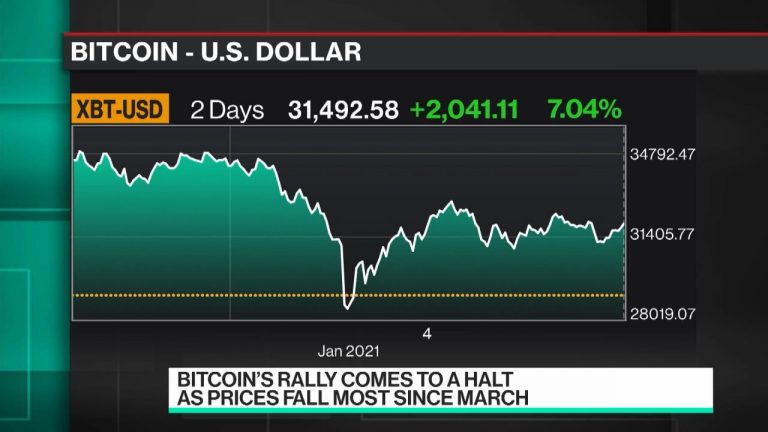
As of today, Bitcoin’s price is experiencing fluctuations that reflect broader trends in the cryptocurrency market. Currently valued at approximately $35,000, Bitcoin has shown a resilient performance over the past week, climbing from previous lows around $32,000. This upward trajectory signals a potential resurgence in investor confidence.Several factors are influencing Bitcoin’s price today. The ongoing developments in regulatory environments across major economies, coupled with shifts in investor sentiment, play significant roles.

Additionally, macroeconomic indicators, such as inflation rates and interest rates, continue to impact the trading landscape for Bitcoin.Market sentiment appears cautiously optimistic, with an increase in trading volumes indicating renewed interest among both retail and institutional investors. This sentiment is bolstered by positive news related to crypto adoption and technological advancements.

Historical Bitcoin Price Trends

Over the past month, Bitcoin’s price has shown notable volatility. The following timeline highlights key price points:

  • One month ago: $30,000
  • Two weeks ago: $32,500
  • Last week: $34,000
  • Today: $35,000

When comparing Bitcoin’s price today to one year ago, it stands significantly higher, as it was trading around $22,000. This increase can be attributed to various market dynamics, particularly increased institutional investment and broader acceptance of cryptocurrencies.Historically, events such as regulatory changes, high-profile security breaches, and major partnerships have dramatically affected Bitcoin prices. For instance, the announcement of Bitcoin ETFs in 2021 sparked a bullish run that brought prices to unprecedented levels.

Influencers of Bitcoin Price

Regulatory news has a profound impact on Bitcoin’s price movements. Recent discussions surrounding potential cryptocurrency regulations in the U.S. have created both uncertainty and excitement among traders. Positive regulatory developments tend to bolster prices, while negative news can lead to sharp declines.Global economic indicators, such as rising inflation rates and geopolitical tensions, also influence Bitcoin’s value. Investors often turn to Bitcoin as a hedge against traditional economic uncertainties, which can drive demand and subsequently, price increases.Social media trends are another significant factor in shaping Bitcoin’s price.

Platforms like Twitter and Reddit spark conversations that can rapidly influence public perception and trading behavior. Viral trends related to Bitcoin can lead to sudden price spikes or crashes, showcasing the power of community sentiment.

Technical Analysis of Bitcoin

Several key technical indicators are essential for predicting Bitcoin price movements today. Traders often look at moving averages, Relative Strength Index (RSI), and MACD to gauge market momentum. These indicators help in identifying potential entry and exit points for trades.

Level Support Resistance
Current $34,000 $36,000

Traders utilize chart patterns, such as head and shoulders or triangles, to forecast potential price changes. Recognizing these patterns can provide insights into future price movements, enabling informed trading decisions.

Future Predictions for Bitcoin Price

Experts predict that Bitcoin may see further fluctuations in the upcoming week, with potential price targets ranging from $33,000 to $37,000. Several factors could influence these predictions, including upcoming regulatory announcements and macroeconomic data releases.Potential scenarios that could affect Bitcoin prices include:

  • Increased institutional adoption of Bitcoin
  • Negative regulatory developments or crackdowns
  • Technological advancements in blockchain
  • Market reactions to global economic changes

Factors affecting future price predictions can be categorized into bullish and bearish. Bullish factors include enhanced adoption, whereas bearish factors could involve regulatory restrictions or market corrections.

Bitcoin Price Comparison with Other Cryptocurrencies

Today’s Bitcoin price significantly contrasts with that of Ethereum and Litecoin. Currently, Bitcoin is trading at $35,000, while Ethereum stands at $2,300, and Litecoin at $150. This positioning underscores Bitcoin’s dominant status in the cryptocurrency market.

Cryptocurrency Price Market Cap
Bitcoin $35,000 $650 billion
Ethereum $2,300 $250 billion
Litecoin $150 $10 billion

The market capitalization of Bitcoin remains substantially higher than its competitors, reflecting its position as the leading cryptocurrency and a benchmark for the entire market.

Investment Strategies Related to Bitcoin Price

For investors looking to enter the Bitcoin market today, several strategies can be employed. Dollar-cost averaging provides a method for investing steadily over time, reducing the impact of volatility.A checklist for assessing the risk of Bitcoin investments today includes:

  • Understanding market volatility
  • Evaluating personal financial goals
  • Considering the proportion of portfolio allocated to Bitcoin
  • Staying informed about regulatory changes

Diversification remains crucial in cryptocurrency investments. Balancing Bitcoin holdings with other digital assets can mitigate risks and enhance potential returns.

Closing Summary

In conclusion, understanding the current state of bitcoin price today bitcoin price today not only informs investment decisions but also enhances our grasp of the broader cryptocurrency market. By keeping an eye on the trends, influences, and future predictions, we can navigate this exciting financial territory with greater confidence.

Query Resolution

What is the current price of Bitcoin today?

The current price of Bitcoin can fluctuate frequently, so it’s best to check a reliable financial news source or cryptocurrency exchange for the most accurate information.

How does Bitcoin’s price today compare to last week?

Bitcoin’s price can vary significantly from week to week, influenced by market events and investor sentiment, so comparing recent prices can reveal trends.

What factors influence Bitcoin’s price?

Factors include regulatory news, global economic trends, technological advancements, and market sentiment, particularly from social media.

Is it a good time to invest in Bitcoin?

Investment timing depends on individual market analysis, risk tolerance, and financial goals; always do thorough research before investing.

How can I track Bitcoin price changes?

Utilizing cryptocurrency tracking apps, financial news websites, and exchange platforms can help you stay updated on Bitcoin price movements.

Cowhide, a material rich in history and versatility, demands a nuanced approach to branding. This guide delves into the intricacies of crafting a compelling brand identity for cowhide products, considering factors from design aesthetics to market analysis. From traditional branding irons to cutting-edge laser techniques, we’ll explore the various methods and their applications across diverse markets.

Understanding the target audience, intended use, and overall brand aesthetic is paramount in creating a successful cowhide brand. This detailed exploration will equip you with the knowledge to develop a compelling brand strategy that resonates with your intended market and elevates your cowhide products to a premium status.

Defining Cowhide Branding

Cowhide branding, a practice deeply rooted in livestock management, involves marking an animal’s hide with a distinctive symbol or design. This process serves multiple purposes, from identifying individual animals to conveying ownership and lineage. Beyond its practical applications, branding often carries significant cultural and historical weight.This process extends beyond simple marking; it encompasses the careful selection of the branding method, the symbolic meaning behind the chosen design, and the lasting impression left on the hide.

The artistry and meticulousness involved are vital components of a comprehensive understanding of cowhide branding.

Cowhide Branding Techniques

Various techniques are employed in cowhide branding, each with its own advantages and disadvantages. Traditional methods, often relying on heated irons, offer a classic, enduring mark. Modern approaches, like laser branding, provide greater precision and control. Understanding these diverse methods is key to appreciating the evolution of this practice.

Traditional Branding Irons

Traditional branding irons, heated to high temperatures, create a distinct, often permanent mark on the hide. These irons, shaped to create specific designs, are commonly used in agricultural settings. The technique’s longevity stems from its ability to leave a readily identifiable mark on the skin. The design of the iron is often significant; the specific pattern and location can signify ownership, ranch, or individual animal details.

Laser Branding

Laser branding uses focused beams of light to create a precise mark on the hide. This method offers a high degree of control over the branding process, enabling intricate designs and fine details. Laser branding is relatively new, compared to traditional methods, and its ability to generate a customized design, with less chance of scorching the hide, is a significant advantage.

The precision of laser branding allows for more intricate and detailed designs than traditional irons.

Other Modern Techniques

Beyond traditional irons and laser branding, other modern techniques are emerging. These may involve specialized inks or dyes applied to the hide, which can offer a range of visual options. The durability and longevity of these modern methods are still under evaluation, compared to the well-established methods of branding.

Comparison of Branding Methods

| Technique | Cost | Turnaround Time | Advantages | Disadvantages ||———————-|—————-|——————-|——————————————————————————————————————————————-|———————————————————————————————————————————————|| Traditional Iron | Moderate | Fast | Relatively inexpensive; enduring mark; established process; readily identifiable; easily replicated for authentication.

| Potential for uneven heat distribution; potential for scorching or damage; limited design complexity. || Laser Branding | High | Moderate | High precision; intricate designs; less chance of scorching; reduced risk of damage; minimal scarring; controlled mark.

| Higher initial cost; equipment maintenance; limited accessibility in certain regions. || Other Modern Methods | Variable | Variable | Wide range of designs; potential for specific effects; reduced scarring; potentially more aesthetically pleasing.

| Durability and longevity of the mark may vary; potential issues with the long-term preservation of the design; limited research and validation. |

Cultural and Historical Significance

Cowhide branding is deeply intertwined with cultural and historical practices. Across various regions and eras, branding has served to identify livestock, establish ownership, and maintain records of lineage. In some cultures, branding even carries symbolic meanings related to status, power, or tradition. The significance of a brand can vary widely, reflecting local customs and social structures.

Design Considerations for Branding

A strong cowhide brand hinges significantly on its visual identity. The design acts as a crucial touchpoint, conveying the brand’s essence, values, and intended message to potential customers. This visual representation fosters recognition and fosters a connection between the product and the consumer.The design process must carefully consider the specific needs of the cowhide and the desired market impact.

It should reflect the unique qualities of the material while appealing to a target audience, aligning with the intended use, and upholding a cohesive brand aesthetic. Effective design is vital for establishing brand recognition, creating a strong impression, and driving sales.

Target Audience and Intended Use

Understanding the target audience is paramount for effective cowhide branding. Different demographics and preferences will respond to various design elements. Consider the age group, lifestyle, and cultural background of the intended customer. For example, a minimalist design might appeal to a modern, sophisticated audience, while a vintage aesthetic might attract customers seeking a more classic and timeless look.

Equally important is the intended use of the cowhide. A cowhide intended for home décor will likely necessitate a different design approach than a cowhide crafted for fashion accessories. The intended application directly influences the design’s functionality and aesthetic appeal.

Color Palettes and Typography

Color palettes play a significant role in establishing the brand’s personality. A warm, earthy color palette might convey a sense of naturalness and authenticity, while a bold, vibrant palette could suggest a modern and dynamic brand. Typography choices further contribute to the overall brand image. Serif fonts often evoke tradition and sophistication, whereas sans-serif fonts can convey a sense of modernity and clarity.

For example, a deep brown color palette with a bold, sans-serif typeface could suggest a rugged, durable cowhide product suitable for outdoor use. Conversely, a light beige palette with a delicate, serif font might evoke a sense of elegance and sophistication for an interior design piece.

Branding Styles

Various design styles can be applied to cowhide branding. Minimalist designs prioritize clean lines, simple shapes, and a limited color palette. This style often emphasizes the natural beauty of the cowhide itself, showcasing its texture and grain. Vintage styles evoke a sense of nostalgia, employing muted colors, aged textures, and intricate details. This style often uses distressed or antique-inspired elements to communicate a sense of history and authenticity.

Abstract styles employ non-representational forms and colors, often creating a more modern and artistic aesthetic. This approach can allow for greater creativity and experimentation with unique and striking visuals.

Cowhide Branding Design Elements

Element Description Example
Logo Variations Different logo styles for various applications Simple, stylized, and detailed versions for websites, product labels, and marketing materials.
Color Schemes Color palettes for visual consistency Muted earth tones for vintage styles; bold and vibrant hues for modern styles; a natural tan and black palette for classic elegance.
Font Choices Typography for a cohesive brand voice Serif fonts for vintage styles; sans-serif fonts for modern styles; unique handcrafted fonts for a distinctive aesthetic.
Texture and Pattern Visual representation of the cowhide’s natural grain Highlighting the natural variation in grain patterns, using embossing, or creating a specific texture.
Imagery Visual representation of the cowhide’s qualities Images that capture the durability, comfort, or aesthetic appeal of the cowhide; showcasing various product applications.

Branding a Cowhide for Different Markets

Branding a cowhide effectively hinges on understanding its intended market. A successful brand strategy considers the specific needs and desires of the target audience, ensuring the product resonates with them and stands out in a competitive landscape. This approach not only enhances the product’s value but also directly impacts the pricing strategy.Successful cowhide branding caters to diverse market segments, from fashion and art to industrial applications.

Understanding these nuances allows for a tailored branding approach, maximizing market penetration and profitability.

Branding Variations Across Markets

Different markets demand varying branding approaches for cowhide. Fashion brands might emphasize luxury, craftsmanship, and unique designs, appealing to a discerning clientele. Art installations might focus on the raw, natural aesthetic of the hide, showcasing its texture and unique patterns. Industrial applications, on the other hand, might emphasize durability, strength, and resistance to wear and tear. These varied approaches directly impact the product’s perceived value and, consequently, its pricing.

Examples of Successful Cowhide Branding Campaigns

Several successful cowhide branding campaigns demonstrate effective strategies across different markets. For example, a fashion brand might showcase cowhide handbags in high-fashion editorials and runway shows, emphasizing their exclusivity and luxury. Conversely, an art gallery might host exhibitions featuring cowhide sculptures, highlighting the artist’s vision and the material’s aesthetic qualities. Successful industrial campaigns might involve showcasing cowhide’s strength and durability in construction or automotive applications, through targeted marketing materials and partnerships with relevant industry leaders.

Comparative Branding Approaches Across Countries

Branding approaches for cowhide products vary across countries due to cultural differences. For example, some cultures may have strong traditions associated with leatherwork, influencing how the material is perceived and valued. In these regions, brands emphasizing craftsmanship and heritage might resonate more strongly. Conversely, in markets with a stronger focus on modernity and innovation, brands highlighting innovative designs and sustainability might be more effective.

Impact of Market Segmentation on Pricing

The target market significantly impacts the pricing strategy for cowhide products. Luxury fashion brands can command premium prices for their cowhide goods due to their perceived value and exclusivity. Conversely, industrial applications might have more competitive pricing structures, emphasizing durability and cost-effectiveness. The brand’s positioning directly influences the price point.

Table of Successful Branding Strategies Across Markets

Market Segment Branding Strategy Example Pricing Strategy
Fashion Emphasize luxury, craftsmanship, and unique designs. High-end designer handbag using exotic cowhide. Premium pricing reflecting the material’s rarity and craftsmanship.
Art Highlight the raw aesthetic, texture, and unique patterns. Cowhide sculptures in an art gallery. Pricing based on the artist’s reputation and the piece’s artistic value.
Industrial Focus on durability, strength, and resistance to wear and tear. Cowhide upholstery in a high-end car. Competitive pricing based on material strength and application.

Branding Agency Role in Cowhide

A branding agency plays a critical role in crafting a successful identity for cowhide products, going beyond simply designing a logo. They act as strategic partners, understanding the nuances of the market and the specific qualities of cowhide to create a brand that resonates with target consumers. This involves a deep dive into the cowhide’s unique characteristics, its origins, and its potential for different applications.Branding agencies offer a comprehensive approach, encompassing market research, brand development, and ongoing brand management, ultimately helping cowhide products stand out in a competitive market.

Their expertise in communication, design, and consumer psychology is vital in building a brand that embodies the essence of the cowhide and its associated value propositions.

Branding Agency Services for Cowhide

A branding agency specializing in cowhide products provides a range of services to develop and manage a compelling brand. These services go beyond simply creating a logo and extend to a holistic strategy encompassing market understanding and brand evolution.

  • Market Research: Thorough market analysis is crucial for understanding consumer preferences, identifying competitors, and assessing market trends related to cowhide. This includes examining existing market segments for cowhide products and pinpointing emerging opportunities. This research helps determine the ideal target audience and tailor the brand message accordingly. Agencies may employ various research methods, including surveys, focus groups, and competitor analysis, to gain valuable insights into the cowhide market.

  • Brand Development: This stage involves defining the brand’s core values, mission, and vision. It encompasses crafting a compelling brand story, developing a unique brand voice, and establishing brand guidelines. For cowhide, this might involve highlighting the sustainability practices, craftsmanship, or unique characteristics of the material. For example, a focus on ethically sourced hides could be a key element of the brand’s story.

  • Brand Management: Brand management is an ongoing process of maintaining and enhancing the brand’s image and reputation. This includes consistent application of brand guidelines across all marketing materials, ensuring brand messaging aligns with the overall strategy, and monitoring brand perception in the marketplace. Ongoing brand monitoring allows the agency to adapt to changing consumer preferences and market conditions.

Key Skills and Experience for Cowhide Branding Agencies

A successful branding agency specializing in cowhide products requires specific skills and experience.

  • Leather Expertise: Deep knowledge of leather and its characteristics, including cowhide, is essential. Understanding the different types of cowhide, its quality, and its various applications is crucial. This allows the agency to effectively communicate the unique qualities of the cowhide to consumers.
  • Market Understanding: Agencies need a strong understanding of the specific markets where cowhide products are sold, including fashion, interior design, and accessories. Knowing the preferences and expectations of customers in each market segment is crucial.
  • Creative Design Skills: The ability to create compelling visual identities and marketing materials that effectively communicate the brand’s message is critical. This involves design skills in logo creation, packaging design, and marketing collateral.
  • Strategic Thinking: The agency should have a strategic approach to brand building, including a thorough understanding of branding principles and how they apply to the cowhide market.

Examples of Leather and Fashion Branding Agencies

Several prominent agencies excel in the leather and fashion industries. Their approaches can provide insights into branding strategies for cowhide products. Agencies like [Example Agency 1] often focus on creating high-end, luxury brands, while [Example Agency 2] might specialize in more contemporary or accessible designs. This diverse range of approaches showcases the importance of tailoring the brand strategy to the specific target market and desired positioning of the cowhide product.

Services and Expertise Table

Service Expertise
Market Research Understanding consumer preferences, identifying competitors, and assessing market trends in the cowhide industry.
Brand Development Defining brand values, mission, and vision; crafting a compelling brand story; establishing brand guidelines.
Brand Management Maintaining and enhancing brand image; ensuring consistent application of brand guidelines; monitoring brand perception.
Leather Expertise Deep knowledge of leather types, quality, and applications, especially cowhide.
Creative Design Creating visual identities, marketing materials, and collateral that communicate the brand effectively.
Strategic Thinking Applying branding principles to the cowhide market; developing a strategic plan to build a strong brand.

Branding a Cowhide

Cowhide, a versatile and durable material, can be elevated from a simple commodity to a premium product through effective branding. This involves more than just a name; it encompasses a carefully crafted visual identity that resonates with target customers and communicates the unique value proposition of the cowhide. A strong visual representation is critical in establishing a brand’s personality and fostering brand loyalty.Visual branding plays a vital role in differentiating cowhide products in a competitive market.

By strategically employing visual elements, businesses can effectively communicate the product’s quality, origin, craftsmanship, and intended use, thus shaping consumer perception and driving sales.

Visual Elements Crucial to Cowhide Branding

Visual branding elements are crucial for establishing a strong brand identity. These elements encompass various aspects, from the choice of imagery to the design of packaging. Consistent use of these elements across all platforms reinforces brand recognition and builds trust with customers. The key visual elements should be carefully selected and designed to convey the desired brand message.

Role of Images and Imagery

Images and imagery are essential for showcasing the unique qualities of a cowhide product. High-quality photographs and illustrations can effectively highlight the texture, grain, and color variations of the cowhide. They can also showcase the various finishes and treatments available, thus appealing to diverse customer preferences. This can involve showcasing the process of tanning, the source of the hides, or the craftsmanship involved in the final product.

Successful Branding Campaigns Utilizing Visual Representation

Numerous successful branding campaigns leverage visual representations to emphasize the quality of cowhide. For example, a campaign featuring stunning photographs of a perfectly tanned cowhide with intricate patterns could highlight the craftsmanship involved. Another approach might focus on the sustainable sourcing of the hides, using imagery of eco-friendly farms and ethical production processes. Such campaigns resonate with environmentally conscious consumers, showcasing a brand’s commitment to ethical practices.

Typography and Layout in Cowhide Branding

Typography and layout are crucial for creating a cohesive and aesthetically pleasing brand identity. A carefully selected typeface can reflect the brand’s personality, whether it’s modern, rustic, or luxurious. The layout should effectively organize information, guiding the viewer’s eye and conveying the key message. A simple, clean layout with high-quality images can create a powerful impact. For example, a rustic typeface paired with a layout emphasizing the natural textures of the cowhide can communicate a sense of authenticity and quality.

Visual Branding Elements Table

Element Description Example
Photographs High-resolution images showcasing the cowhide’s texture, grain, and color variations. These can be used to display different finishes and treatments. A close-up photograph of a cowhide with a unique pattern, highlighting the intricate details.
Illustrations Stylized representations of cowhide, potentially focusing on specific patterns or textures. An illustration depicting the process of tanning the cowhide, emphasizing the care and craftsmanship involved.
Graphic Design Choices Elements like color palettes, logo designs, and overall aesthetic direction. These should complement the cowhide’s natural qualities. A logo design incorporating a stylized cowhide pattern or a color palette that evokes the richness and warmth of natural leather.

Maintaining and Protecting a Cowhide Brand

A strong cowhide brand is built not just on a captivating design, but also on consistent messaging and enduring reputation. Maintaining this brand’s value requires a proactive approach that addresses potential challenges and strengthens its connection with customers. A robust brand protection strategy is paramount to ensure long-term success in the competitive market.Consistent brand messaging across all touchpoints is crucial for a recognizable and trustworthy brand image.

This includes aligning marketing materials, website content, social media posts, and even customer service interactions with a cohesive brand voice and visual identity. This ensures that every interaction reinforces the brand’s core values and promises to customers.

Consistent Brand Messaging

Consistent brand messaging creates a unified and recognizable experience for customers across all channels. This includes using a consistent tone of voice, visual style, and brand story in all marketing materials. A well-defined brand style guide ensures that all materials reflect the brand’s identity, whether it’s a print advertisement, an online banner, or a customer service email. By maintaining consistency, customers develop a strong understanding of the brand’s personality and values.

Maintaining Brand Integrity and Reputation

Brand integrity is paramount to long-term success. Maintaining a strong reputation involves actively addressing customer feedback and complaints, while also staying ahead of potential reputational threats. Transparent communication and a proactive approach to resolving issues help build trust and loyalty among customers. For instance, responding to customer reviews, whether positive or negative, demonstrates a commitment to customer satisfaction and strengthens brand reputation.

Handling Customer Feedback and Reviews

Customer feedback, both positive and negative, offers valuable insights into how the brand is perceived. Responding to reviews, whether on online marketplaces or social media, demonstrates responsiveness and a commitment to customer satisfaction. Addressing negative feedback constructively and offering solutions can turn a potential crisis into an opportunity to strengthen the brand’s image. Active monitoring of online platforms where customers interact with the brand is essential for prompt responses.

Constructive responses to negative feedback, even offering a solution, can improve brand reputation.

Monitoring Competitors and Adapting Strategies

Regularly monitoring competitors’ branding strategies is essential for staying ahead in a dynamic market. Analyzing competitors’ marketing materials, pricing strategies, and customer engagement tactics provides insights into emerging trends and potential opportunities. By adapting to these changes, the cowhide brand can maintain its competitiveness and relevance. For instance, observing how competitors are positioning themselves on social media, or adopting new technologies, can help to identify opportunities to enhance brand value.

Analyzing competitors’ successes and failures provides invaluable information for refining the brand strategy.

Developing a Brand Protection Strategy

Protecting the cowhide brand from unauthorized use is vital for safeguarding its value and reputation. This involves developing a comprehensive brand protection strategy that includes trademark registration, intellectual property protection, and clear guidelines for brand usage. A comprehensive brand protection strategy should Artikel procedures for addressing any instances of infringement or unauthorized use of the brand. This strategy should include proactive measures to monitor for potential infringements and ensure legal action if necessary.

Creating and enforcing a brand usage policy, including a clear definition of authorized use, can deter unauthorized use and protect the brand.

End of Discussion

In conclusion, branding a cowhide product is a multifaceted endeavor that requires careful consideration of various factors. From the historical significance of the material to the nuances of different markets, this guide has provided a comprehensive overview of the process. Ultimately, a well-defined brand strategy will ensure that your cowhide products stand out and command a premium position in the market.

Essential Questionnaire

What are some common mistakes to avoid when branding a cowhide product?

Failing to research the target market, neglecting brand consistency across platforms, and overlooking competitor analysis are common pitfalls. Ignoring customer feedback can also hinder brand development.

How do pricing strategies differ for cowhide products in various markets?

Pricing considerations depend heavily on the target market’s perception of luxury, cultural factors, and the product’s intended use. A premium product in a high-end fashion market will command a different price point compared to a similar product in an industrial application.

What are the key factors to consider when choosing a branding agency for cowhide products?

Experience in the leather and fashion industry, demonstrated case studies in similar product branding, and an understanding of the unique characteristics of cowhide are essential. A deep understanding of the specific target markets and pricing strategies should also be assessed.

What are the legal considerations when branding a cowhide product?

Trademarking the brand, understanding copyright laws, and preventing unauthorized use are vital aspects. Proper legal counsel is crucial to ensure the brand’s protection.


Kicking off with bitcoin price usd trend, this cryptocurrency phenomenon continues to fascinate investors and analysts alike, drawing attention to its unpredictable movements and significant milestones. The evolution of Bitcoin’s price has been marked by extraordinary highs and lows, influenced by a variety of factors ranging from regulatory changes to market sentiment.

As we delve into the current state of Bitcoin against the USD, we will explore the metrics that define its present-day valuation, the technical indicators that aid in analysis, and the profound psychological factors that shape trading behaviors. This comprehensive overview aims to provide a clear understanding of Bitcoin’s price dynamics and its implications for future investments.

Historical Overview of Bitcoin Price Trends

Bitcoin, created in 2009 by an anonymous person or group known as Satoshi Nakamoto, has undergone a remarkable evolution in its price history. From its humble beginnings with negligible value, Bitcoin has experienced significant milestones that have shaped its reputation as a pioneering cryptocurrency. These milestones include notable price surges and crashes, influenced by various external events, regulatory changes, and evolving market sentiment.

Major Milestones in Bitcoin Price History

The trajectory of Bitcoin’s price has been marked by several key events that led to drastic fluctuations. Initially, Bitcoin traded for less than a cent, but it reached $1 for the first time in February 2011. The price surged to approximately $31 later that year before a crash brought it down to around $2. The real breakthrough came in late 2013, when Bitcoin hit an all-time high of nearly $1,200, driven by increased media attention and adoption by online merchants.

The price dropped significantly in 2014 following the Mt. Gox exchange hack, which caused public distrust and regulatory scrutiny. However, by late 2017, Bitcoin surpassed its previous high, reaching nearly $20,000, fueled by institutional interest and a surge in retail investors. The volatility continued with significant corrections, culminating in a bear market in 2018.

Impact of Regulatory Changes

Regulatory changes have played a crucial role in influencing Bitcoin prices. In 2013, China prohibited financial institutions from handling Bitcoin transactions, leading to a sudden drop in its value. Conversely, positive regulatory developments, such as the approval of Bitcoin futures trading by the CFTC in 2017, often led to price surges. The evolving regulatory landscape continues to impact investor sentiment and market stability.

Current Bitcoin Price Metrics

As of October 2023, Bitcoin’s price against the USD is hovering in a volatile range, reflecting the dynamic nature of the cryptocurrency market. Current statistics show that Bitcoin’s price is approximately $35,000. Several factors are influencing its price in today’s market, including macroeconomic trends, technological advancements, and market sentiment.

Current Statistics

The current market capitalization of Bitcoin is estimated at around $680 billion, with trading volumes ranging from $25 billion to $40 billion daily. These metrics demonstrate the high level of activity and interest in Bitcoin as an asset class.

Factors Influencing Bitcoin’s Price

Several key factors currently influence Bitcoin’s price:

  • Increased adoption by institutional investors
  • Regulatory developments across different jurisdictions
  • Macroeconomic conditions, such as inflation rates and interest rates
  • Technological advancements in blockchain and related technologies
  • Market sentiment and news cycles, including social media influence

Recent Trends in Trading Volumes

Bitcoin’s trading volumes have shown a notable increase, particularly as more platforms and exchanges enable access to cryptocurrency markets. This uptick in trading activity often correlates with price movements, making it an essential factor for traders and investors to monitor.

Technical Analysis of Bitcoin Price Movements

Technical analysis plays a significant role in understanding Bitcoin price trends. Traders utilize various technical indicators to analyze price movements and predict future behavior.

Common Technical Indicators

Among the various indicators used, the following are particularly prominent:

  • Moving Averages (MA)
  • Relative Strength Index (RSI)
  • Moving Average Convergence Divergence (MACD)
  • Bollinger Bands
  • Fibonacci Retracement Levels

Chart Patterns Summary

A table summarizing the most common chart patterns observed in Bitcoin trading includes:

Chart Pattern Description
Head and Shoulders A reversal pattern indicating a change in trend direction.
Double Top/Bottom Signals potential reversals after a trend.
Ascending/Descending Triangle Continuation patterns indicating potential breakout or breakdown.

Utilizing Moving Averages

Moving averages, such as the simple moving average (SMA) and exponential moving average (EMA), are essential for forecasting Bitcoin price movements. Traders often look for crossovers between different moving averages to identify buy or sell signals. For instance, when the short-term MA crosses above the long-term MA, it may indicate a bullish trend.

Influences on Bitcoin Price Direction

Various external factors significantly affect Bitcoin’s price direction. Understanding these influences can provide valuable insights for investors and traders alike.

External Factors Affecting Bitcoin Price

Key external factors include:

  • Global economic conditions, including inflation and currency fluctuations
  • Legislative changes and enforcement actions from regulatory bodies
  • Market sentiment driven by news and social media
  • Technological breakthroughs in blockchain and cryptocurrency technology
  • The performance of traditional financial markets

Macroeconomic Indicators

Macroeconomic indicators, such as GDP growth rates, unemployment rates, and central bank policies, can greatly influence Bitcoin’s valuation. For instance, in times of economic uncertainty, investors may flock to Bitcoin as a hedge against inflation, affecting its demand and price.

Comparative Price Trends

When comparing Bitcoin price trends with other cryptocurrencies and asset classes, it becomes evident that Bitcoin often leads the market. For example, during bullish phases, altcoins typically follow Bitcoin’s price movements, while in bearish markets, they tend to experience sharper declines.

Future Projections for Bitcoin Price

The future of Bitcoin pricing could be influenced by numerous factors, including technological advancements and broader market adoption. Experts have varying opinions on Bitcoin’s potential trajectory over the next five years.

Technological Advancements Implications

Technological improvements in transaction scalability, security, and user experience could significantly enhance Bitcoin’s adoption and, consequently, its price. Innovations such as the Lightning Network aim to facilitate faster and cheaper transactions.

Expert Opinions on Future Projections

Analysts and experts project a wide range of potential price scenarios for Bitcoin, including:

  • Conservative estimates suggest a price range of $50,000 to $100,000.
  • Optimistic forecasts predict prices could soar to $250,000 or more.
  • Pessimistic views warn of potential declines if regulatory pressures increase.

Forecasting Models

Several models are utilized for predicting Bitcoin prices, including the stock-to-flow model, which suggests that Bitcoin’s scarcity will drive its price upward. Other models consider market sentiment and historical price patterns to project future movements.

Bitcoin Price Volatility

Bitcoin is notorious for its price volatility, which can significantly impact investors. Understanding the causes of this volatility is crucial for managing risk.

Causes of Price Volatility

Several factors contribute to Bitcoin’s price volatility, including:

  • Market speculation and hype
  • Liquidity issues during periods of high trading activity
  • Regulatory news and geopolitical events
  • Technological breakdowns or security breaches

Historical Events Leading to Extreme Price Swings

Historical events such as the 2013 Silk Road shutdown and the 2020 COVID-19 market crash have led to extreme price fluctuations. These incidents highlight the sensitivity of Bitcoin prices to external shocks.

Strategies for Mitigating Risk

Investors can adopt several strategies to mitigate risks associated with Bitcoin investments:

  • Diversifying their portfolio to include other asset classes
  • Utilizing stop-loss orders to limit potential losses
  • Staying informed about market developments and regulatory changes

Bitcoin Price and Market Psychology

Investor psychology plays a vital role in Bitcoin price trends, often driving irrational market behaviors. Understanding these psychological aspects can provide deeper insights into market movements.

Investor Psychology Impact

Emotions such as fear and greed significantly influence trading decisions. During bullish markets, greed may drive prices to unsustainable levels, while fear can lead to panic selling in bearish conditions.

Behavioral Biases in Trading Decisions

Several behavioral biases commonly influence Bitcoin trading, including:

  • Herd mentality, leading to mass buying or selling
  • Confirmation bias, where traders seek information that supports their beliefs
  • Loss aversion, causing investors to hold onto losing positions longer than advisable

Role of Social Media and News

Social media platforms and news outlets significantly shape public perception of Bitcoin. Positive news can lead to price surges, while negative coverage can result in declines. Monitoring these channels is essential for understanding market sentiment and potential price movements.

Case Studies of Notable Price Surges and Drops

Bitcoin’s history is filled with dramatic price changes, serving as valuable learning opportunities for investors and market participants.

Instances of Dramatic Price Changes

Notable instances include:

  • The surge to nearly $20,000 in late 2017, fueled by media hype and investor enthusiasm.
  • The crash to around $3,000 in 2018, marked by regulatory uncertainty and market correction.
  • The rapid rise to $64,000 in April 2021, driven by institutional investment and mainstream adoption.

Lessons from Past Bull and Bear Markets

Key lessons from past bull and bear markets include:

  • The importance of conducting thorough research before investing.
  • Recognizing market cycles and the potential for rapid price reversals.
  • The necessity of having a well-defined investment strategy to navigate volatility.

Common Themes and Patterns Observed

Observations from price surges and drops reveal common themes such as the role of speculative trading and the impact of external news events on investor sentiment. Understanding these patterns can help investors make more informed decisions in the ever-evolving cryptocurrency landscape.

Final Review

In conclusion, the journey of Bitcoin’s price thus far has been nothing short of remarkable, with lessons learned from past trends and insights for what lies ahead. Understanding this intricate landscape not only equips investors with the knowledge to make informed decisions but also emphasizes the importance of adapting to the ever-evolving nature of the cryptocurrency market. As we move forward, keeping an eye on both technical indicators and market psychology will be crucial for navigating the future of Bitcoin pricing.

Question Bank

What factors influence the Bitcoin price trend?

The Bitcoin price trend is influenced by market demand, regulatory news, technological developments, and overall economic conditions.

How volatile is Bitcoin compared to other assets?

Bitcoin is generally more volatile than traditional assets like stocks or bonds, experiencing larger price swings in shorter time frames.

What are common strategies for investing in Bitcoin?

Common strategies include dollar-cost averaging, long-term holding, and utilizing technical analysis for trading.

How do macroeconomic trends affect Bitcoin pricing?

Macroeconomic trends such as inflation, interest rates, and global market conditions can significantly impact Bitcoin’s valuation.

What role does market psychology play in Bitcoin trading?

Investor sentiment, driven by news and social media, can significantly affect trading decisions and contribute to price volatility.

Vadodara’s marketing landscape is vibrant and dynamic, with a diverse range of agencies catering to various businesses. This guide dives deep into the world of marketing agencies in Vadodara, exploring their services, client bases, competitive environment, and pricing models. Understanding the nuances of this market is crucial for both potential clients seeking expert help and aspiring agency owners aiming to thrive in this competitive space.

From social media management to search engine optimization, this exploration covers the spectrum of services offered by Vadodara marketing agencies. We’ll also investigate the role of branding agencies and their unique contributions to building and maintaining a strong brand identity within the local context. Ultimately, this guide aims to provide a clear and concise overview of the marketing agency scene in Vadodara, offering valuable insights for both clients and agency owners.

Introduction to Marketing Agencies in Vadodara

Vadodara, a vibrant city in Gujarat, boasts a growing landscape of marketing agencies catering to diverse businesses. These agencies play a crucial role in helping local and regional companies navigate the complexities of modern marketing, from digital strategies to traditional outreach. Understanding the current market dynamics is essential for businesses seeking to partner with the right agency.The agencies in Vadodara offer a range of services designed to enhance brand visibility and drive sales.

Their offerings typically include, but are not limited to, digital marketing, social media management, content creation, and public relations. These comprehensive solutions empower businesses to build a strong online presence and connect with their target audience effectively.

Common Services Offered

The common services provided by Vadodara marketing agencies reflect the evolving needs of businesses. They encompass a variety of specialized areas.

  • Digital Marketing: Agencies often provide comprehensive digital marketing strategies, including search engine optimization (), pay-per-click (PPC) advertising, social media marketing, and email marketing. This ensures clients achieve visibility across diverse online platforms.
  • Social Media Management: Managing social media presence is a crucial element of modern marketing. Agencies assist clients in creating engaging content, monitoring brand reputation, and fostering interaction with their target audience on various platforms.
  • Content Creation: High-quality content is essential for attracting and engaging audiences. Agencies create compelling blog posts, articles, website copy, and other content formats to support a company’s marketing goals.
  • Public Relations (PR): Building positive relationships with media outlets and the public is vital. Agencies in Vadodara often provide PR services, including press releases, media outreach, and crisis communication.
  • Branding and Identity: A strong brand identity is key to recognition and trust. Agencies often help clients develop and refine their brand image, including logos, brand guidelines, and overall messaging.

Typical Client Base

The client base for marketing agencies in Vadodara is diverse, encompassing various industry sectors.

  • Small and Medium-sized Enterprises (SMEs): A substantial portion of the client base comprises small and medium-sized businesses, reflecting the city’s entrepreneurial spirit. These businesses often seek affordable and effective marketing solutions to reach their target audience.
  • Startups: Vadodara is known for its growing startup ecosystem. These companies often require specialized assistance in establishing their brand presence and building initial customer bases. Agencies can offer tailored services to help these startups.
  • Established Businesses: Even established businesses can benefit from professional marketing services. They may seek to refresh their marketing strategy, improve their online presence, or target new market segments.

Competitive Environment

The competitive landscape among Vadodara marketing agencies is generally moderate. Several agencies operate in the city, vying for clients.

  • Pricing Strategies: Pricing models vary across agencies, depending on the scope of services, client needs, and agency expertise.
  • Specialization: Some agencies may specialize in particular industries, sectors, or digital marketing niches, creating a competitive advantage.
  • Agency Expertise: The depth of experience and expertise within the agency is also a significant factor in client acquisition and retention.

Pricing Models

Agencies typically employ various pricing structures, often tailored to specific client requirements.

  • Hourly Rates: Some agencies charge based on hourly rates, offering flexibility for specific projects or tasks.
  • Project-Based Fees: Many agencies offer project-based pricing, where a fixed fee is agreed upon for a defined scope of work.
  • Performance-Based Contracts: Agencies may use performance-based contracts, tying fees to measurable results or outcomes, such as increased website traffic or lead generation.

Services Offered by Vadodara Marketing Agencies

Vadodara boasts a thriving ecosystem of marketing agencies, catering to a diverse range of businesses and industries. These agencies leverage a spectrum of specialized services to propel their clients’ growth. Understanding the array of services and the expertise behind them is crucial for businesses seeking to partner with the right agency.These agencies often offer a comprehensive suite of services, tailoring their approach to meet the unique needs of each client.

They are adept at navigating the complexities of the modern marketing landscape and translate this understanding into effective strategies.

Types of Marketing Services

Vadodara marketing agencies provide a wide array of services, encompassing various facets of modern marketing. These services often overlap and are integrated into holistic strategies, optimizing results.

  • Social Media Management: This involves creating and maintaining a strong presence across various social media platforms, including content creation, scheduling, community engagement, and performance analysis. Successful social media management requires a deep understanding of each platform’s nuances and target audience. Agencies often employ dedicated social media managers proficient in content calendar creation and audience interaction.
  • Search Engine Optimization (): This service focuses on improving a website’s visibility in search engine results pages (SERPs). Expertise in research, on-page optimization, off-page optimization, and technical is essential for effective campaigns. Agencies use tools and analytics to track progress and adapt strategies.
  • Content Creation: This encompasses developing high-quality written, visual, and video content. This can include blog posts, articles, website copy, social media posts, infographics, and videos. Agencies typically employ skilled writers, graphic designers, and videographers to create compelling content tailored to the client’s brand and target audience.
  • Paid Advertising (PPC): This involves running targeted advertising campaigns on platforms like Google Ads and social media. Agencies use sophisticated bidding strategies, research, and audience targeting to maximize ROI. Success depends on understanding the intricacies of each platform’s advertising system and budget management.
  • Email Marketing: This focuses on developing and executing email campaigns to nurture leads, promote products/services, and build customer relationships. Agencies create targeted email sequences, segment audiences, and monitor campaign performance to achieve optimal results.

Skills and Expertise Required

Effective marketing agencies in Vadodara possess a range of specialized skills. A strong understanding of the target market, combined with proficiency in the chosen marketing services, is critical.

  • Market Research & Analysis: Understanding the market dynamics, target audience, and competitors is vital for crafting effective strategies. This involves in-depth research and analysis.
  • Creativity & Innovation: Agencies must think outside the box to develop unique and engaging campaigns that capture attention and drive results. Creativity plays a crucial role.
  • Data Analysis & Reporting: Tracking campaign performance, analyzing data, and providing regular reports are crucial for demonstrating ROI and making necessary adjustments. A strong understanding of analytics platforms is essential.
  • Client Communication & Management: Effective communication with clients is key to understanding their needs and delivering exceptional results. Clear communication and transparency are essential.

Pricing Structures

Pricing for marketing services varies significantly based on the scope of work, expertise required, and the agency’s experience. Some agencies may charge hourly rates, while others may use project-based pricing.

  • Hourly Rates: Common for ongoing retainer agreements or project work requiring a specific amount of time from the agency.
  • Project-Based Pricing: Often used for specific campaigns or tasks with a defined scope. The pricing structure depends on the scope and the complexity of the project.
  • Retainer Agreements: These are common for ongoing marketing support, where the agency provides a package of services on a monthly or quarterly basis.

Successful Marketing Campaigns

Several Vadodara marketing agencies have successfully executed campaigns that have yielded significant results for their clients. These campaigns often combine various marketing strategies, demonstrating the power of a comprehensive approach.

Industries Catered to

Vadodara marketing agencies serve a diverse range of industries. From small businesses to large corporations, they tailor their strategies to meet the specific needs of each client.

  • E-commerce: Many agencies have experience with online businesses, providing tailored strategies for increased sales and brand awareness.
  • Retail: Strategies are developed to increase foot traffic, drive sales, and build brand loyalty in retail environments.
  • Technology: Agencies specializing in the tech sector understand the unique challenges and opportunities in the digital space.
  • Food & Beverage: Strategies are tailored to attract customers and build a strong brand presence in the food industry.
  • Real Estate: Agencies support the real estate sector by increasing brand visibility and lead generation.

Branding Agencies in Vadodara

Branding agencies in Vadodara play a crucial role in shaping the identities and perceptions of businesses within the region. They go beyond simple marketing by focusing on the core values, aspirations, and unique selling propositions of their clients, crafting a comprehensive brand strategy that resonates with the target audience. This strategy extends far beyond advertising campaigns and encompasses the overall visual and communicative identity of the brand.Branding agencies, unlike marketing agencies, concentrate on the long-term brand building and perception management.

They work closely with businesses to understand their fundamental strengths and weaknesses and to identify opportunities for differentiation in the market. This often includes research, strategy development, and design, which results in a cohesive and recognizable brand that drives long-term success.

Role of Branding Agencies in Vadodara

Branding agencies in Vadodara help businesses navigate the competitive landscape by creating a distinctive brand identity. They assist in establishing a strong brand presence in the region and beyond, by considering local nuances and preferences. This includes understanding the specific cultural context and market dynamics within Vadodara.

Difference Between Marketing and Branding Agencies

Marketing agencies primarily focus on short-term promotional activities, while branding agencies concentrate on building a consistent and enduring brand identity over time. The distinction lies in their approach: marketing agencies aim to drive immediate sales and engagement, whereas branding agencies work to shape the long-term perception and reputation of a company. This long-term approach builds brand equity, leading to increased customer loyalty and higher brand value.

Branding Strategies Employed by Vadodara Agencies

Branding agencies in Vadodara employ various strategies tailored to the specific needs and goals of each client. These often include:

  • Brand Positioning: Defining the brand’s unique selling proposition (USP) and target audience, differentiating the brand from competitors.
  • Brand Messaging: Developing clear and concise communication strategies that reflect the brand’s values and personality, which are consistently implemented across all platforms.
  • Brand Identity Design: Creating a visual identity that includes logos, color palettes, typography, and imagery that effectively represents the brand.
  • Brand Experience Management: Ensuring that the brand’s promises are delivered consistently across all customer touchpoints, from website design to customer service interactions. This strategy emphasizes the brand’s tangible presence.

Examples of Branding Projects

Several branding agencies in Vadodara have successfully undertaken diverse projects, including:

  • Rebranding a local startup: Transforming a fledgling company’s image to project professionalism and trustworthiness.
  • Developing a brand identity for a new product line: Creating a compelling visual identity for a fresh product launch, emphasizing its uniqueness and target audience.
  • Strengthening brand recognition for an established company: Improving brand recognition and recall for a well-known Vadodara business.

Comparison of Branding and Marketing Agency Services

Feature Branding Agencies Marketing Agencies
Focus Long-term brand building and perception management Short-term promotional activities and sales generation
Approach Strategic, research-driven, focused on core values and identity Tactical, action-oriented, emphasizing immediate results
Output Cohesive brand identity, brand guidelines, and strategic plans Marketing campaigns, advertising materials, and promotional activities

Key Differentiators for Agencies

Vadodara’s marketing landscape is vibrant, with numerous agencies vying for clients. Standing out requires more than just a presence; it necessitates a unique approach and demonstrable expertise. This section highlights the key factors that distinguish successful Vadodara marketing agencies.Agencies that thrive in Vadodara often possess a combination of specialized knowledge, strong client relationships, and a commitment to building a robust brand reputation.

These elements collectively create a compelling value proposition for clients seeking strategic partners.

Expertise in Specific Areas

A deep understanding of specific marketing disciplines sets agencies apart. For example, an agency specializing in digital marketing, with expertise in , social media management, and paid advertising, can provide clients with a competitive advantage in the online marketplace. This specialized knowledge allows for more effective campaigns and better ROI. Agencies with dedicated teams proficient in areas like content marketing, influencer marketing, or email marketing, can offer tailored solutions.

Niche Market Specialization

Several Vadodara agencies have carved out a niche within specific industries. This allows them to leverage in-depth knowledge of the industry’s nuances, customer pain points, and trends. For example, an agency specializing in the FMCG sector can develop targeted campaigns, understanding the specific marketing challenges and opportunities within that market. Similarly, an agency focused on the technology sector can create impactful campaigns, considering the unique needs of this rapidly evolving market.

Strong Client Relationships

Cultivating strong client relationships is paramount. Agencies that build trust and rapport with clients foster long-term partnerships. This approach goes beyond transactional interactions; it involves understanding client goals, challenges, and aspirations. Active communication, transparent reporting, and proactive problem-solving are key components of building lasting client relationships.

Building Brand Reputation and Trust

Agencies can establish a positive brand image through consistent quality work, transparent communication, and demonstrable results. Positive reviews and testimonials are crucial for building trust and credibility. Participating in industry events, sponsoring local initiatives, and maintaining an active online presence are other important strategies for establishing a strong brand reputation. Case studies and portfolio examples showcasing successful projects are vital in demonstrating capabilities and credibility.

This approach resonates strongly with potential clients looking for partners they can trust.

Agency Case Studies

Vadodara’s burgeoning marketing landscape features a vibrant ecosystem of agencies, each vying for a share of the market. Understanding their strategies, successes, and challenges provides valuable insights into the dynamics of the local industry. This section delves into real-world examples of successful campaigns, highlighting the key differentiators of leading Vadodara agencies.

Agency Profiles

Vadodara boasts a diverse range of marketing agencies, catering to various industries and client needs. This table showcases three prominent agencies, highlighting their key offerings, target clients, and unique selling propositions.

Agency Name Services Clients USP
Brand Catalyst Branding, digital marketing, social media management, content creation Startups, small and medium-sized businesses (SMBs), local businesses Specialization in crafting compelling brand narratives for startups, leveraging social media for rapid growth.
Innovate Marketing Solutions , SEM, PPC, website development, analytics E-commerce businesses, technology companies, online retailers Data-driven approach to digital marketing, offering customized strategies based on performance metrics.
Creative Fusion Graphic design, advertising, public relations, event management Corporations, non-profit organizations, large-scale events Focus on creative excellence and innovative campaigns, leveraging strong visual storytelling for impactful communication.

A Successful Campaign Case Study

This case study examines a successful campaign undertaken by “Brand Catalyst” to illustrate effective strategies in action.

Problem Solution Strategy Outcome
A newly launched e-commerce startup faced low brand awareness and struggled to generate organic traffic to its website. Develop a comprehensive social media strategy focused on visually engaging content and targeted advertising. Created a series of eye-catching videos showcasing product features and customer testimonials, strategically using Instagram and Facebook. Implemented targeted advertising campaigns to reach potential customers based on demographics and interests. Engaged in influencer marketing collaborations. Significant increase in website traffic, a 30% rise in sales within three months, and a substantial boost in brand recognition. Positive feedback from customers indicated a high level of engagement with the brand’s social media presence.

Impact of Local Market Trends

The Vadodara market is influenced by several factors, including the rising popularity of e-commerce, increasing mobile phone penetration, and a growing middle class. These trends drive a shift towards digital marketing strategies, and local agencies must adapt to meet the evolving needs of their clients. Agencies need to adapt to this evolving landscape and develop digital-first approaches.

Adapting to Emerging Technologies

The marketing landscape is constantly evolving. Agencies need to embrace emerging technologies and trends like AI-powered marketing tools, virtual reality (VR) experiences, and augmented reality (AR) applications. Adopting these technologies allows them to create innovative and engaging experiences for their clients. Staying abreast of these advancements will allow agencies to deliver impactful campaigns.

Pricing Models for Marketing Agencies

Pricing models vary significantly among Vadodara marketing agencies, impacting their client base. This table Artikels various pricing models, their descriptions, suitability for different client types, and their associated advantages and disadvantages.

Model Description Client type Pros Cons
Hourly Rate Agencies charge per hour of work. Small businesses, projects with clearly defined scope Flexibility, transparency Can be expensive for larger projects, difficult to estimate project duration.
Project-Based Fixed price for a specific project. Businesses with specific goals, short-term projects Predictable cost, clear expectations Less flexibility, might not suit evolving needs.
Retainer Regular fee for ongoing support and services. Businesses needing ongoing marketing support, long-term partnerships Consistent service, proactive approach Can be expensive for clients with fluctuating needs.

Future of Marketing Agencies in Vadodara

The marketing landscape in Vadodara, like elsewhere, is rapidly evolving. Agencies must adapt to new technologies, emerging channels, and shifting consumer behaviors to remain competitive and successful. This necessitates a forward-thinking approach to staying ahead of the curve and capitalizing on opportunities for growth.The future of marketing agencies in Vadodara hinges on their ability to embrace innovation and leverage technology to provide tailored solutions.

Agencies that effectively integrate cutting-edge tools and strategies will be best positioned to thrive in the dynamic market environment.

Emerging Trends in Digital Marketing

Digital marketing is no longer a supplementary channel; it’s the cornerstone of modern campaigns. Agencies need to excel in understanding and utilizing a diverse range of digital platforms, including social media marketing, search engine optimization (), pay-per-click (PPC) advertising, and email marketing. A comprehensive approach that seamlessly integrates these strategies is crucial for maximizing reach and engagement. This requires continuous learning and adaptation to keep pace with algorithm updates and evolving user preferences.

Impact of Technology on Marketing Agencies

Technology is revolutionizing the way marketing agencies operate. AI-powered tools are streamlining tasks, enabling data-driven insights, and personalizing customer experiences. Chatbots and automation tools are automating routine processes, allowing agencies to allocate resources more effectively. Data analytics platforms are providing valuable insights into consumer behavior and market trends, enabling agencies to craft targeted campaigns. Agencies in Vadodara must invest in these technologies to maintain a competitive edge.

Adapting to New Digital Marketing Channels

The digital landscape is continuously expanding. Agencies in Vadodara must be prepared to embrace new channels like short-form video platforms (TikTok, Instagram Reels), influencer marketing, and interactive content (AR/VR). Staying abreast of emerging trends and tailoring strategies to these platforms is vital for reaching and engaging target audiences. This means actively exploring and experimenting with new channels to stay ahead of the competition.

Agencies need to understand which channels resonate with their target demographic and adapt their approach accordingly.

Potential for Growth and Expansion

The Vadodara market presents significant opportunities for growth. The city’s vibrant business ecosystem and growing entrepreneurial spirit provide a fertile ground for agencies to expand their service offerings. Focusing on specialized niches, such as e-commerce marketing or specific industry verticals, can allow agencies to cater to niche demands and establish a strong brand identity. Collaborating with local businesses and fostering strategic partnerships can lead to mutual growth and success.

Key Differentiators for Future Success

Agencies in Vadodara that can demonstrate expertise in emerging technologies and strategies will stand out. A deep understanding of local market dynamics, combined with innovative solutions, will set them apart. Focusing on client relationships, offering personalized service, and providing measurable results will build trust and loyalty. Agencies that can demonstrate measurable ROI and a strong track record will attract and retain clients.

Closing Summary

In conclusion, Vadodara’s marketing agencies offer a wide array of services, from traditional to cutting-edge digital strategies. The competitive landscape demands expertise and adaptability, and success hinges on strong client relationships and a keen understanding of local market trends. The future of marketing agencies in Vadodara looks promising, with potential for growth and innovation as technology continues to evolve.

By staying abreast of emerging trends and adapting to new technologies, agencies can position themselves for continued success in this thriving market.

Helpful Answers

What are the common pricing models used by marketing agencies in Vadodara?

Common pricing models include project-based fees, retainer agreements, and performance-based compensation. The chosen model often depends on the scope of work and the client’s specific needs.

What industries do Vadodara marketing agencies primarily serve?

Agencies in Vadodara typically cater to a diverse range of industries, including but not limited to, technology, healthcare, retail, and hospitality. Their services are highly adaptable to different sectors.

How can I find a reputable marketing agency in Vadodara?

Researching agency portfolios, client testimonials, and online reviews can help in identifying reputable agencies. Networking with other businesses in Vadodara can also lead to valuable recommendations.

What are the emerging trends shaping the future of marketing in Vadodara?

The increasing importance of data-driven marketing, personalized customer experiences, and the rise of new digital channels are key trends impacting Vadodara agencies.

Qatar’s advertising landscape is dynamic and evolving, driven by a blend of tradition and innovation. From traditional print campaigns to cutting-edge digital strategies, Qatari advertising agencies are adept at connecting with a diverse target audience. This guide delves into the world of advertising agencies in Qatar, exploring their services, strategies, and the challenges and opportunities they face.

This comprehensive overview examines the key players in the Qatari advertising market, including their specializations, client portfolios, and notable campaigns. It also analyzes the services offered, digital marketing strategies, branding considerations, and emerging trends shaping the future of advertising in Qatar.

Overview of Advertising Agencies in Qatar

Qatar’s advertising landscape is a dynamic blend of traditional and modern approaches, catering to a diverse and affluent population. Agencies are increasingly focusing on digital strategies alongside established print and broadcast methods, reflecting the evolving media consumption habits of the target demographic. This evolution is driven by the need to connect with audiences effectively in a rapidly changing technological environment.

Key Players and Prominent Agencies

The Qatari advertising market boasts a mix of local and international agencies. Major players frequently collaborate with regional and global networks, leveraging their extensive experience to deliver impactful campaigns. Some well-regarded local agencies have built strong reputations through consistent client service and innovative strategies.

Agency Name Specializations Client Portfolio Key Campaigns
Agency A Branding, Digital Marketing, Public Relations Large Qatari conglomerates, multinational corporations Successful rebranding campaigns for local businesses, innovative digital advertising campaigns for international clients
Agency B Print Advertising, Broadcast Media, Event Management Local SMEs, government entities High-impact print advertisements for national campaigns, successful TV commercials for various industries
Agency C Social Media Marketing, Content Creation, Influencer Marketing Tech startups, fashion brands Viral social media campaigns, impactful content series on Instagram and YouTube
Agency D Creative Strategy, Integrated Marketing, Experiential Marketing Luxury brands, hospitality businesses Successful events and experiential marketing campaigns, high-quality creative campaigns for hospitality clients

Prevalent Advertising Styles and Approaches

Qatari advertising campaigns frequently employ a blend of traditional and modern approaches, tailored to resonate with the local culture and values. Agencies prioritize building strong brand narratives and maintaining a positive public image. Emphasis is placed on showcasing high-quality visuals and employing compelling storytelling to captivate audiences. There’s a growing trend towards incorporating local talent and cultural elements to create a stronger sense of community connection in advertisements.

Target Audience Demographics and Preferences

Qatari advertising campaigns often target a highly educated and affluent demographic. The audience exhibits a strong preference for high-quality products and services, and campaigns frequently emphasize luxury, prestige, and innovative design. Traditional Qatari values and cultural nuances are often incorporated into the messaging to resonate with the target audience. There is also a notable focus on family-oriented content, reflecting the importance of family values in Qatari society.

Services Offered by Advertising Agencies

Qatar’s advertising landscape is dynamic, with agencies catering to diverse client needs. They leverage a range of strategies and tools to effectively promote products and services in the local market. Agencies are increasingly incorporating digital and social media strategies into their service offerings to remain competitive and relevant.

Range of Services

Advertising agencies in Qatar provide a comprehensive suite of services, extending beyond basic advertising campaigns. They often take on responsibilities encompassing market research, branding, and public relations, which contribute to the overall success of a marketing strategy. This holistic approach ensures clients receive a complete marketing solution.

Types of Advertising Campaigns

Qatar-based agencies are equipped to handle various advertising campaign types. Their expertise spans across traditional mediums such as print and broadcast advertising, as well as cutting-edge digital and social media marketing. Agencies understand the importance of a multi-faceted approach, ensuring campaigns are tailored to specific target audiences and objectives.

Pricing Models and Packages

Pricing models for advertising services vary significantly among agencies in Qatar. Factors influencing pricing include the complexity of the project, the duration of the campaign, and the specific services requested. Some agencies offer fixed-price packages for standard campaigns, while others offer customized pricing based on individual project requirements. Agencies frequently present detailed proposals outlining costs and deliverables.

Table of Services Offered

Service Type Description Examples
Market Research Understanding consumer behavior, market trends, and competitive landscape to inform strategic decisions. Surveys, focus groups, data analysis, competitor analysis.
Branding and Identity Developing a strong brand image and visual identity for a company or product. Logo design, brand guidelines, website design, visual style guides.
Print Advertising Creating and placing advertisements in newspapers, magazines, and other print media. Newspaper ads, magazine ads, brochures, flyers.
Digital Marketing Utilizing online platforms and strategies to promote products or services. Search Engine Optimization (), Pay-Per-Click (PPC) advertising, social media marketing, email marketing.
Social Media Management Developing and executing social media strategies to engage target audiences and build brand awareness. Content creation, social media advertising, community management, influencer marketing.
Public Relations (PR) Building and maintaining positive relationships with media outlets and stakeholders to generate favorable publicity. Press releases, media outreach, event planning, crisis communication.
Creative Services Developing compelling and innovative marketing materials such as advertisements, logos, and promotional campaigns. Copywriting, graphic design, video production, photography.

Digital Marketing Strategies

Digital marketing has become integral to advertising strategies in Qatar, reflecting a wider global trend. Qatari agencies are increasingly recognizing the importance of leveraging digital platforms to connect with their target audiences and drive impactful campaigns. This shift is directly tied to the growing internet penetration and smartphone usage across the country.Digital marketing strategies in Qatar are multifaceted, incorporating a range of channels and techniques to reach potential customers.

Agencies are adopting a data-driven approach, analyzing campaign performance across various digital touchpoints to optimize their strategies and achieve measurable results. This emphasis on data analytics allows for continuous improvement and adaptation to evolving market dynamics.

Role of Digital Marketing in Qatari Advertising

Digital marketing plays a crucial role in reaching and engaging Qatari consumers. It allows businesses to target specific demographics, personalize messaging, and track campaign performance in real-time. This level of granularity and measurability is particularly valuable in the Qatari market, where understanding cultural nuances and specific consumer preferences is key to effective marketing.

Effective Digital Marketing Channels

Qatari advertising agencies are utilizing a variety of digital channels to achieve their marketing objectives. These channels are carefully selected to align with the target audience and campaign goals.

  • Search Engine Optimization (): is a fundamental aspect of digital marketing, ensuring a company’s website appears prominently in search engine results. This improves organic visibility and drives targeted traffic to the site. strategies in Qatar often focus on local s and search queries relevant to the Qatari market.
  • Social Media Marketing (SMM): Social media platforms like Instagram, Facebook, and Twitter are vital tools for connecting with Qatari audiences. Engaging content, targeted advertising, and influencer collaborations are commonly employed strategies to build brand awareness and generate leads.
  • Pay-Per-Click (PPC) Advertising: PPC campaigns, often through Google Ads, allow businesses to bid on s and display ads on search engine results pages and partner websites. This is a highly effective method for generating immediate traffic and leads, particularly for time-sensitive promotions or product launches.
  • Email Marketing: Email marketing remains a powerful tool for nurturing leads and driving conversions. Personalized email campaigns, targeted promotions, and newsletters are frequently used to engage with existing and potential customers.
  • Content Marketing: Creating valuable and engaging content, such as blog posts, articles, and videos, is essential for establishing thought leadership and attracting organic traffic. This is particularly important in Qatar for engaging with a diverse audience.

Current Trends in Digital Advertising in Qatar

Several key trends are shaping digital advertising in Qatar. Agencies are responding to these trends to maintain effectiveness and relevance.

  • Mobile-First Approach: The increasing prevalence of mobile devices in Qatar necessitates a mobile-first approach to digital marketing. Websites and campaigns must be optimized for mobile viewing, ensuring a seamless user experience across various devices.
  • Personalization: Personalized experiences are crucial in the Qatari market. Targeting specific demographics, interests, and behaviors is becoming increasingly common in digital campaigns.
  • Video Marketing: Video content is gaining significant traction in Qatar, with short-form video formats like TikTok and Instagram Reels proving highly effective.
  • Influencer Marketing: Influencer marketing is a rising trend in Qatar, as local influencers have established strong connections with their followers and can drive significant brand awareness.

Examples of Successful Digital Campaigns in Qatar

Several successful digital campaigns have demonstrated the effectiveness of targeted strategies and creative execution. Examples include [mention a few specific examples of successful campaigns, ideally from Qatari companies or agencies, if known].

Effectiveness of Digital Marketing Channels

The effectiveness of each digital marketing channel varies depending on the specific campaign objectives and target audience. A table summarizing the channels and their effectiveness is presented below.

Channel Effectiveness Typical Use Cases
High (long-term, organic traffic) Brand building, lead generation
SMM Medium-High (engagement, brand awareness) Promoting products/services, building community
PPC High (immediate results, targeted traffic) Product launches, promotional campaigns
Email Marketing Medium (lead nurturing, customer retention) Building relationships, sending updates
Content Marketing Medium-High (brand building, thought leadership) Establishing expertise, driving traffic

Branding Agencies in Qatar

Branding agencies in Qatar play a crucial role in shaping the image and identity of businesses in the dynamic market. They go beyond simply creating advertisements; they craft comprehensive brand strategies that resonate with consumers and build long-term value. This often involves in-depth market research, competitive analysis, and a nuanced understanding of Qatari culture and consumer preferences.

Comparative Analysis of Advertising and Branding Agencies

Advertising agencies primarily focus on creating and executing marketing campaigns to drive short-term sales and brand awareness. Branding agencies, on the other hand, take a more holistic approach, building and maintaining a brand’s identity over time. A branding agency works to create a consistent brand image across all platforms, from marketing materials to customer service. This long-term strategy fosters brand loyalty and recognition.

The key difference lies in their scope: advertising agencies focus on the “what” of marketing, while branding agencies focus on the “why” and “how.”

Key Differences Between Advertising and Branding Agencies

  • Focus: Advertising agencies focus on short-term marketing campaigns, while branding agencies focus on long-term brand building.
  • Scope: Advertising agencies typically focus on specific campaigns and messaging, whereas branding agencies develop a comprehensive brand strategy that encompasses all aspects of the brand.
  • Services: Advertising agencies typically offer services like print and digital advertising, while branding agencies offer a wider array of services including market research, brand positioning, and brand identity development.

Importance of Branding in the Qatari Market

Qatar’s evolving market landscape necessitates a strong brand identity. As the country continues to attract international businesses and tourists, brand recognition and trust become paramount. A well-defined brand can differentiate businesses in a competitive market, and create a unique value proposition. Strong branding fosters customer loyalty, which is crucial for sustained success in the long term.

Branding Strategies Employed by Leading Agencies

Leading branding agencies in Qatar utilize a variety of strategies to build successful brands. These strategies often include:

  • Market Research: Understanding consumer needs, preferences, and behaviors is essential for crafting effective brand strategies.
  • Brand Positioning: Defining the brand’s unique value proposition and target audience is key to creating a distinctive brand identity.
  • Brand Identity Development: Creating a visual identity, including logo design, color palettes, and typography, is crucial for brand recognition.
  • Brand Guidelines: Establishing consistent brand messaging and visual standards across all platforms.

Role of Brand Storytelling in Qatari Marketing Campaigns

Brand storytelling is vital for connecting with the Qatari audience. Stories that resonate with the culture and values of the region are more likely to be successful. This often involves highlighting the company’s heritage, its commitment to social responsibility, and its connection to the community. These narratives create an emotional connection with consumers, building trust and loyalty.

Comparison Table: Advertising vs. Branding Agencies

Feature Advertising Agencies Branding Agencies
Primary Focus Short-term campaigns, driving immediate sales Long-term brand building, establishing brand identity
Target Audience Broad target audience, focused on specific demographics Specific target audience, aligning with brand positioning
Services Offered Print ads, digital ads, social media marketing, PR Brand strategy, brand positioning, brand identity, market research, brand guidelines, brand storytelling
Key Metrics Campaign reach, ad impressions, sales conversions Brand awareness, brand perception, customer loyalty

Trends and Future Outlook

The Qatari advertising landscape is dynamic and evolving rapidly, driven by technological advancements and shifting consumer preferences. Understanding these trends is crucial for agencies to adapt and thrive in the market. This section explores the emerging trends and potential future of advertising and branding in Qatar.The Qatari market is becoming increasingly sophisticated and demanding, requiring advertising agencies to be innovative and responsive to evolving needs.

This necessitates a focus on digital strategies, data-driven insights, and a deep understanding of cultural nuances.

Emerging Trends in Qatari Advertising

The advertising industry in Qatar is witnessing a significant shift towards digital channels. Social media marketing, influencer collaborations, and personalized online campaigns are becoming increasingly prevalent. Furthermore, there’s a growing emphasis on integrating traditional media with digital platforms to maximize reach and engagement.

  • Rise of Short-Form Video Content: Platforms like TikTok and Instagram Reels are gaining significant traction, prompting advertisers to adapt their strategies to incorporate short-form video content for maximum engagement.
  • Emphasis on Experiential Marketing: Brands are increasingly recognizing the importance of creating memorable and immersive experiences for consumers, leading to a surge in experiential marketing initiatives.
  • Focus on Authenticity and Transparency: Consumers are becoming more discerning and demanding authenticity from brands. This trend emphasizes the importance of building trust and transparent communication.
  • Integration of AI and Machine Learning: Artificial intelligence and machine learning are being integrated into advertising campaigns for targeted advertising and personalized user experiences.
  • Sustainability as a Brand Value: Consumers are becoming increasingly conscious of environmental and social issues, leading brands to prioritize sustainability in their marketing messages.

Future of Advertising and Branding in Qatar

The future of advertising and branding in Qatar will be shaped by the convergence of technology, consumer behavior, and cultural values. Agencies that adapt to these trends and leverage emerging technologies will be well-positioned for success.

  • Hyper-Personalization: Advanced data analytics will allow for highly personalized advertising campaigns tailored to individual consumer preferences and behaviors. This will enhance engagement and improve campaign effectiveness.
  • Augmented Reality (AR) and Virtual Reality (VR): AR and VR technologies will offer new ways to engage consumers through interactive experiences and immersive brand storytelling. This will lead to a significant shift in how brands interact with customers.
  • Focus on Customer Experience (CX): The customer experience will become even more critical, demanding a seamless and integrated approach across all channels. Brands that excel in delivering exceptional CX will gain a competitive advantage.
  • Increased Importance of Data Analytics: Data analytics will play an increasingly crucial role in understanding consumer behavior, market trends, and campaign performance. This will drive more informed and data-driven decision-making.

Impact of Technological Advancements

Technological advancements are reshaping the advertising industry in Qatar, enabling more innovative and effective strategies. These advancements offer opportunities for greater efficiency and targeted outreach.

  • Improved Targeting: Technological advancements allow for more accurate and granular targeting, enabling brands to reach specific demographics and interests with greater precision.
  • Enhanced Measurement and Tracking: New technologies provide more robust measurement and tracking capabilities, allowing for greater insight into campaign performance and ROI.
  • Interactive Experiences: Technological advancements enable brands to create more interactive and engaging experiences for consumers, driving greater engagement and brand loyalty.

Evolving Role of Data Analytics

Data analytics is becoming increasingly vital for crafting effective advertising strategies in Qatar. The ability to collect, analyze, and interpret data will allow agencies to gain valuable insights into consumer behavior and preferences.

  • Data-Driven Decision Making: Data analytics provides insights into consumer preferences and behaviors, enabling data-driven decision-making in campaign development, targeting, and optimization.
  • Personalized Campaigns: Data analytics enables the creation of personalized advertising campaigns tailored to individual consumer needs and preferences, leading to higher engagement and conversion rates.
  • Predictive Analytics: Predictive analytics can help identify future trends and consumer behaviors, allowing agencies to proactively adapt strategies and stay ahead of the curve.

Case Studies

Qatari advertising agencies have consistently delivered impactful campaigns, demonstrating creativity and a deep understanding of the local market. These campaigns have driven brand awareness, increased sales, and fostered a strong connection with consumers. Analyzing successful case studies provides valuable insights into effective strategies and highlights the challenges overcome in achieving positive outcomes.Successful campaigns are not merely about creating catchy slogans or visually appealing advertisements; they are intricate strategies that address specific consumer needs and market dynamics.

Understanding the journey from concept to execution, along with the resulting impact, provides a valuable roadmap for future campaigns.

Examples of Successful Qatari Advertising Campaigns

Several Qatari advertising agencies have executed campaigns that resonated strongly with the target audience, leading to notable achievements. These examples showcase the diverse approaches employed and the varying results obtained.

Campaign 1: Promoting a Local Cultural Festival

This campaign aimed to boost attendance at a significant Qatari cultural festival. The strategy focused on showcasing the festival’s unique traditions and cultural heritage through a series of engaging social media posts, interactive booths at key locations, and a visually appealing promotional video.The campaign generated significant buzz on social media, with a substantial increase in event registrations. Moreover, positive media coverage amplified the campaign’s reach, resulting in record-breaking attendance at the festival.

This highlighted the effectiveness of a multi-faceted approach in reaching a broad audience and creating a memorable experience.

Campaign 2: Launching a New Mobile Banking App

The objective of this campaign was to introduce a new mobile banking app to the Qatari market. The strategy emphasized user-friendliness, highlighting the app’s intuitive design and convenient features. The campaign employed a mix of online advertisements, targeted social media campaigns, and collaborations with local influencers.The campaign saw a significant increase in app downloads and user engagement within the first quarter of its launch.

User reviews and feedback were overwhelmingly positive, reflecting the app’s ease of use and effectiveness in addressing user needs. This case study underscores the importance of emphasizing user experience in driving app adoption.

Campaign 3: Promoting Sustainable Practices in the Construction Sector

This campaign targeted Qatari construction companies, encouraging them to adopt sustainable practices. The strategy involved workshops, presentations, and online resources that detailed the benefits of sustainability in terms of cost savings and environmental responsibility.The campaign successfully raised awareness among construction companies about the benefits of sustainability. Many companies implemented the suggested practices, showcasing the impact of a focused educational campaign on driving positive behavioral change.

This case study demonstrated the importance of educating and informing stakeholders to achieve long-term impact.

Summary Table of Case Studies

Campaign Campaign Goals Strategies Outcomes
Promoting a Local Cultural Festival Increase festival attendance Social media engagement, interactive booths, promotional video Record-breaking attendance, significant social media buzz
Launching a New Mobile Banking App Increase app downloads and user engagement Online ads, social media campaigns, influencer collaborations Significant increase in app downloads and positive user feedback
Promoting Sustainable Practices in Construction Encourage sustainable practices in construction Workshops, presentations, online resources Increased awareness and implementation of sustainable practices by construction companies

Challenges and Opportunities

Qatar’s advertising sector presents a dynamic landscape, brimming with potential alongside inherent challenges. Navigating the unique cultural context, regulatory framework, and evolving digital landscape is crucial for agencies aiming to thrive in this market. Understanding the opportunities and mitigating the hurdles is key to sustained success.

Key Challenges Faced by Advertising Agencies

The Qatari advertising industry, while experiencing growth, faces several key challenges. Competition from established international agencies and the emergence of local start-ups necessitates a strategic approach to market differentiation. Furthermore, adapting to the ever-evolving digital landscape and ensuring effective digital marketing strategies are critical. Understanding and catering to the specific cultural nuances within the Qatari market is also essential.

Challenges Opportunities Solutions
Competition from International Agencies: International advertising agencies, often with vast resources and global experience, present a strong challenge to local agencies. Targeting Niche Markets: Focus on specific market segments, like luxury goods or hospitality, to carve out a unique position and avoid head-to-head competition with large firms. Developing Specialized Expertise: Building expertise in specific industries or demographics can create a competitive edge. Highlighting understanding of Qatari cultural nuances and market trends can also help.
Adapting to Evolving Digital Landscape: The rapid advancements in digital marketing necessitate continuous learning and adaptation for agencies to remain relevant. Harnessing Digital Opportunities: Leveraging digital platforms for targeted advertising campaigns, creating engaging content for social media, and building a strong online presence are all crucial opportunities. Investing in Digital Training: Providing ongoing training to agency staff on the latest digital marketing tools and techniques is essential. Partnering with digital marketing experts can provide valuable support.
Cultural Sensitivity: Qatari culture has specific values and norms that advertising campaigns must respect. Deep Cultural Understanding: Agencies that demonstrate a profound understanding of Qatari culture and values will resonate more deeply with the target audience. Cultural Sensitivity Training: Offering cultural sensitivity training to agency staff can ensure campaigns are respectful and appropriate. Partnering with local experts to ensure campaigns resonate within the community is vital.
Government Regulations: Strict regulations regarding content and advertising practices need to be adhered to meticulously. Regulatory Compliance Expertise: Agencies with a strong understanding of Qatari advertising regulations will be better positioned to navigate the market and gain trust. Compliance Consultants: Engaging with regulatory compliance consultants can ensure the agencies stay up-to-date with the evolving rules and regulations. This is crucial to avoid costly mistakes.

Potential Opportunities for Advertising Agencies

The Qatari market offers several exciting opportunities for advertising agencies. The country’s rapid economic growth and increasing investment in infrastructure create a burgeoning market for various services. Capitalizing on the growing digital landscape and adapting to the cultural context are crucial for success.

  • Targeting specific sectors: Focusing on sectors like tourism, hospitality, and luxury goods, where Qatari consumers are active, can provide a strong niche.
  • Leveraging Digital Channels: The rise of digital platforms and social media provides unparalleled opportunities for reaching target audiences in new and creative ways. Developing engaging digital content, tailored to the local culture, is key.
  • Highlighting Local Expertise: Emphasizing local talent and understanding of the market can differentiate agencies and build trust with Qatari clients.
  • Creating Locally Relevant Content: Tailoring content to the cultural values and interests of Qatari audiences is crucial to avoid misinterpretations and create a strong connection.

Cultural Considerations and Sensitivities

Respect for local customs and traditions is paramount in Qatari advertising. Campaigns must avoid any content that could be considered offensive or disrespectful to Islamic values or cultural norms.

Role of Government Regulations

Qatar’s government maintains a strong regulatory framework for advertising, aimed at maintaining a positive public image and ensuring responsible marketing practices. Agencies need to be compliant with these regulations to avoid penalties or reputational damage. Understanding the nuances of these regulations is crucial.

Conclusive Thoughts

In conclusion, Qatari advertising agencies are navigating a complex but promising environment. Their ability to adapt to evolving trends, leverage technology, and understand the nuances of the local market will be crucial for continued success. This guide provides a valuable insight into the current state of the industry and offers a glimpse into its exciting future.

Commonly Asked Questions

What are the key challenges facing advertising agencies in Qatar?

Several challenges exist, including adapting to rapid technological advancements, understanding and catering to diverse cultural sensitivities, and navigating government regulations.

What are the most effective digital marketing channels used by Qatari agencies?

Agencies utilize various channels, including social media marketing, search engine optimization (), pay-per-click (PPC) advertising, and targeted online advertising campaigns.

How do Qatari advertising agencies price their services?

Pricing models vary significantly, ranging from project-based fees to retainer agreements. Factors like the scope of work, duration of the project, and the agency’s reputation influence pricing.

What is the target audience for advertising campaigns in Qatar?

The target audience is diverse, encompassing different age groups, socioeconomic backgrounds, and cultural preferences. Agencies tailor their campaigns to resonate with these specific segments.

bitcoin price usd november 2023 sets the stage for an enthralling narrative, offering readers a glimpse into a story that is rich in detail and brimming with originality from the outset.

This month has demonstrated significant fluctuations in Bitcoin’s value, driven by various factors including market sentiment, regulatory announcements, and macroeconomic trends. Analyzing these movements provides valuable insight into the cryptocurrency’s behavior and informs potential future trends.

Overview of Bitcoin Price Trends in November 2023

November 2023 proved to be an eventful month for Bitcoin, with notable price fluctuations that caught the attention of investors. Throughout the month, Bitcoin experienced a series of ups and downs, influenced by various market dynamics and external factors. The analysis of these price movements reveals a complex interaction between investor sentiment, macroeconomic indicators, and technological advancements within the cryptocurrency space.At the beginning of November 2023, Bitcoin opened at approximately $34,500.

As the month progressed, we witnessed several peaks and troughs, ultimately closing at around $38,000. This marked a substantial increase, but the journey was far from smooth, with several swings that highlighted the volatility of the market.

Major Events Impacting Bitcoin Prices

Several key events significantly influenced Bitcoin’s price trajectory in November 2023. The month began with a positive sentiment following several bullish reports from financial analysts, stoking optimism among traders. However, this was tempered by a series of regulatory announcements that caused fluctuations in market sentiment.

  • Regulatory announcements from various countries raised concerns among investors, creating uncertainty.
  • Major tech companies announced partnerships or advancements related to blockchain technology, boosting investor confidence.
  • A significant hack in a popular exchange led to temporary fear in the market, resulting in a brief dip in prices.

The interplay between positive technological developments and negative regulatory news created a dynamic environment that constantly shifted Bitcoin’s valuation throughout the month.

Market Analysis and Predictions

As November drew to a close, experts offered varied predictions for Bitcoin’s price direction. The trading volumes indicated a healthy level of activity, suggesting strong investor interest.Based on recent trends, experts predict that Bitcoin could reach new highs in December, with some forecasts estimating a range of $36,000 to $42,000. The trading volumes remained robust, indicating a market ready for potential upward movement.

Prediction Price Range (USD)
Short-term Outlook $36,000 – $42,000
Mid-term Outlook $40,000 – $45,000
Long-term Forecast $50,000+

Comparison with Other Cryptocurrencies

In November 2023, Bitcoin’s performance was notably influenced by the dynamics of other cryptocurrencies. While Bitcoin experienced growth, several altcoins also surged, showcasing a strong performance across the broader market.

  • Bitcoin maintained its position as the leading cryptocurrency, but its market dominance saw slight fluctuations.
  • Ethereum and Binance Coin emerged as top performers, contributing to a competitive altcoin market.
  • The market capitalization of altcoins collectively grew, indicating a diversifying investment landscape.
  • Ethereum (ETH)
  • Binance Coin (BNB)
  • Cardano (ADA)
  • Solana (SOL)
  • XRP (XRP)

Technical Analysis of Bitcoin Price Movements

Technical indicators played a crucial role in understanding Bitcoin’s price movements throughout November. Key metrics, such as moving averages and RSI (Relative Strength Index), provided insights into market trends.Support and resistance levels were particularly significant during this month. The support level was observed at $34,000, while resistance was noted around $40,000, shaping trader strategies.

Technical Indicator Value
Support Level $34,000
Resistance Level $40,000
Moving Average (50 Days) $36,500
RSI 60

Investor Sentiment and Market Psychology

Investor sentiment significantly shaped Bitcoin’s price trends in November 2023. Surveys indicated a mix of optimism and caution among investors, reflecting broader market conditions.Recent studies highlighted that many investors adopted a long-term perspective, despite short-term volatility. Behavioral patterns among traders indicated a propensity to react emotionally to news, contributing to price fluctuations.

  • A significant portion of investors expressed increased interest in accumulating Bitcoin during price dips.
  • Surveys showed that fear of missing out (FOMO) was prevalent, especially during upward price movements.

Economic Factors Affecting Bitcoin Prices

Macroeconomic trends played a pivotal role in influencing Bitcoin prices in November 2023. Factors such as inflation rates and interest rate fluctuations were closely monitored by market participants.Correlations between traditional market trends and Bitcoin movements became evident, particularly as global economic uncertainties persisted.

  • Rising inflation concerns globally.
  • Fluctuations in interest rates among major economies.
  • Stock market volatility impacting investor risk appetite.

Conclusive Thoughts

In conclusion, the Bitcoin price landscape in November 2023 has been shaped by a multitude of dynamic influences. Understanding these factors not only paints a clearer picture of the current market but also offers a foundation for making informed investment decisions moving forward.

Key Questions Answered

What was Bitcoin’s price at the beginning of November 2023?

At the beginning of November 2023, Bitcoin was priced at approximately $XX,XXX.

What major events impacted Bitcoin prices this month?

Key events included regulatory announcements and significant market developments that influenced overall sentiment and trading activity.

How did Bitcoin perform compared to other cryptocurrencies?

Bitcoin outperformed several altcoins but faced increased competition, affecting its market dominance.

What predictions do experts make for Bitcoin prices for the rest of November 2023?

Experts predict a range of potential price movements, influenced by upcoming economic data and market conditions.

What economic factors influenced Bitcoin prices in November 2023?

Key economic indicators such as inflation rates, stock market performance, and interest rates played a substantial role in shaping Bitcoin’s price movements.

Dive into the world of cryptocurrencies with our comprehensive guide to Binance, a leading platform for buying Bitcoin and other crypto assets. This guide provides a step-by-step approach to downloading the Binance app, setting up your account, and safely purchasing Bitcoin. We’ll cover everything from account creation to secure crypto wallet management.

Understanding the intricacies of cryptocurrency trading can seem daunting. This guide simplifies the process, making it accessible to newcomers and seasoned traders alike. We’ll break down the key concepts and address common concerns, providing actionable insights for a smooth transition into the digital asset market.

Introduction to Binance and Bitcoin

Binance is a leading global cryptocurrency exchange, providing a platform for buying, selling, and trading various cryptocurrencies, including Bitcoin. It boasts a user-friendly interface and a vast selection of trading options, attracting millions of users worldwide. Its robust security measures and 24/7 support further solidify its position as a trusted platform in the cryptocurrency space.Bitcoin, the first and most well-known cryptocurrency, serves as a decentralized digital currency.

Its value is determined by supply and demand in the market, and it is often used as a store of value or a speculative investment. Understanding its role in the broader cryptocurrency ecosystem is essential for anyone looking to engage in the digital asset market.

Creating a Binance Account

Setting up a Binance account is a straightforward process. It’s important to carefully follow the steps to ensure a secure and compliant account. This section details the necessary steps for account creation.

Step Action Description
1 Visit the Binance website Navigate to the Binance official website using a web browser.
2 Click “Register” Locate and click the “Register” button, usually prominently displayed on the homepage.
3 Provide necessary details Enter your email address, create a strong password, and select a secure password recovery option. Be sure to comply with KYC/AML regulations to protect yourself and your funds.
4 Verify your email address Check your email for a verification link sent by Binance. Clicking this link will confirm your account.
5 Complete KYC (Know Your Customer) Binance requires verifying your identity to comply with anti-money laundering (AML) and know-your-customer (KYC) regulations. This often involves uploading identification documents like a government-issued photo ID and proof of address.
6 Fund your account Deposit funds into your Binance account to start trading. This can be done using various methods, including bank transfers and credit/debit cards. Research available payment methods for your region and ensure you understand the associated fees.

Buying Bitcoin on Binance

Binance offers a diverse range of methods for purchasing Bitcoin, catering to various user preferences and financial situations. This flexibility is a key advantage for the platform, allowing users to choose the method that best suits their needs and comfort level. Understanding these options and their associated security implications is crucial for a safe and seamless Bitcoin buying experience.Purchasing Bitcoin on Binance is a straightforward process, but selecting the right payment method is essential for a positive experience.

The platform’s security measures are designed to protect user funds, and users should familiarize themselves with these measures to maximize their safety and confidence. Careful consideration of different payment options is important, allowing informed decisions and minimizing potential risks.

Payment Methods for Bitcoin Purchases

Various methods are available for acquiring Bitcoin on Binance. These methods encompass different financial instruments and security protocols. Choosing the right method depends on individual circumstances and risk tolerance.

  • Bank Transfers: A common and reliable method, bank transfers allow users to transfer funds directly from their bank accounts to their Binance accounts. This method is generally secure, but transaction times can vary depending on the bank and processing times.
  • Credit/Debit Cards: Credit and debit cards provide a convenient way to purchase Bitcoin instantly. However, transaction fees associated with credit card purchases may be higher than other methods, and there may be limitations on the amount that can be purchased at a given time.
  • Other Cryptocurrencies: Binance allows users to exchange other cryptocurrencies for Bitcoin. This method is attractive for those already holding crypto assets and looking to diversify their portfolio or acquire Bitcoin efficiently. The exchange rate between the cryptocurrency and Bitcoin at the time of transaction will determine the amount of Bitcoin received.

Security Measures on Binance

Binance employs robust security measures to protect user funds. These measures are crucial for maintaining a secure environment for trading and transactions.

  • Multi-Factor Authentication (MFA): Implementing MFA adds an extra layer of security by requiring multiple forms of verification, significantly reducing the risk of unauthorized access. This is a vital security measure to protect against unauthorized access.
  • Cold Storage: Binance utilizes cold storage, a method of storing funds offline, to enhance security against hacking attempts. This helps safeguard funds from cyberattacks.
  • Regular Security Audits: Binance conducts regular security audits to identify and address vulnerabilities. These audits are essential for maintaining a strong security posture.

Comparison of Payment Methods

The choice of payment method for purchasing Bitcoin on Binance depends on various factors. Understanding the pros and cons of each method is essential for making an informed decision.

Payment Method Pros Cons
Bank Transfers Generally secure, widely accessible, and often low fees. Can take several business days to process, and may have transaction limits depending on the bank.
Credit/Debit Cards Fast and convenient for immediate Bitcoin purchases. Higher transaction fees compared to other methods, and potential limitations on purchase amounts.
Other Cryptocurrencies Can be more cost-effective than other methods depending on the exchange rate. Transaction times and exchange rates may fluctuate.

Downloading the Binance App

Getting started with Binance often begins with downloading their mobile app. This allows for convenient access to your trading account, real-time market updates, and various other functionalities from your smartphone or tablet. This comprehensive guide walks you through the process of downloading and setting up the Binance mobile app for both iOS and Android devices.

Downloading the Binance Mobile App

The Binance app is readily available for download on both iOS and Android platforms. Downloading the app is a straightforward process that ensures you can access all the key features of the platform.

Platform-Specific Download Links

Platform Download Link Description Key Features
iOS (iPhone/iPad) Search “Binance” in the Apple App Store. Real-time market data, order placement, transaction history, portfolio management, and more.
Android Search “Binance” in the Google Play Store. Real-time market data, order placement, transaction history, portfolio management, and more.

Setting Up and Logging In

After downloading the app, you need to complete the initial setup and log in to your Binance account. This process ensures your account security and enables you to use the app’s functionalities.

  • Account Creation: If you haven’t already created a Binance account, you’ll need to do so using a valid email address and password. Ensure that your personal information is accurate and up to date to prevent issues later on.
  • Verification: Binance may require additional verification steps to confirm your identity. This process helps to protect your account from unauthorized access. The type of verification depends on the level of security you select.
  • Two-Factor Authentication (2FA): Enabling 2FA is crucial for added security. It adds an extra layer of protection by requiring a code from your authenticator app (like Google Authenticator) in addition to your password.
  • Security Settings: Review and adjust the security settings to your preferences. This can include options like enabling two-factor authentication, adjusting password requirements, and enabling account recovery methods.
  • Initial Portfolio Review: Once logged in, take a moment to review your portfolio to ensure all your assets are accurately reflected. Any discrepancies should be addressed immediately.

Crypto Download and Initial Setup

Getting started with crypto trading on Binance involves more than just creating an account. Crucial steps include downloading and setting up crypto wallets, ensuring secure connections, and understanding the importance of safeguarding your private keys. This section details these procedures to help you navigate this essential part of the crypto trading journey.

Binance-Associated Crypto Wallets

Binance offers a variety of crypto wallets integrated into its platform. These wallets are designed for secure storage and transactions of various cryptocurrencies. Different wallets cater to different needs and levels of security. Understanding the types available and choosing the right one is essential for a seamless trading experience. For instance, Binance offers a hot wallet for quick access to your crypto assets, and cold storage solutions for enhanced security.

Connecting Your Wallet to Binance

Connecting your crypto wallet to the Binance platform is a critical step for executing transactions. The process varies slightly depending on the wallet type. Users need to carefully review and verify any prompts or requests for authorization. This process ensures that you’re linking the correct wallet to your Binance account, preventing unauthorized access to your funds. Successful connection allows you to seamlessly transfer and manage your crypto holdings on the Binance platform.

Securing Your Crypto Wallets

Robust security measures are paramount for safeguarding your crypto assets. A strong security posture protects your digital holdings from theft and unauthorized access.

  • Regularly update your software: Keeping your wallet software updated is crucial. Outdated versions often have vulnerabilities that malicious actors can exploit. Regular updates patch these weaknesses and ensure your wallet remains secure.
  • Use strong passwords and multi-factor authentication (MFA): Strong passwords and MFA add an extra layer of security to your wallet and account. This makes it more challenging for unauthorized users to gain access to your funds. Use a combination of upper and lower case letters, numbers, and symbols. MFA requires a second verification step, often through a code sent to your phone or email, adding an additional layer of security.

  • Avoid suspicious links and downloads: Be cautious of phishing scams and malicious links that could compromise your wallet. Always verify the authenticity of websites and downloads before interacting with them. Scammers often use fake websites or messages that mimic legitimate platforms to trick users into revealing their private keys.
  • Monitor your transactions: Regularly review your transaction history for any unauthorized activity. Being aware of any unusual or unexpected transactions can help you identify potential security breaches quickly. This vigilance allows for immediate action to mitigate any risks.

Protecting Your Private Keys

Your private keys are the equivalent of a password to your crypto wallet. These keys allow you to access and control your funds. Protecting them is paramount.

“Never share your private keys with anyone, and keep them in a secure and confidential location.”

  • Never share your private keys: This is a crucial rule. Sharing your private keys with anyone grants them access to your crypto assets. Never disclose them, even to trusted individuals or services.
  • Secure storage solutions: Utilize secure storage solutions to protect your private keys. A hardware wallet, for example, offers an offline storage option, enhancing security. Paper wallets, while offering a form of offline storage, require careful handling and storage to prevent damage or loss. Keep your private keys safe from physical damage, theft, or unauthorized access.
  • Backup your wallet: Regularly back up your wallet to a secure location to prevent data loss. This ensures you can recover your assets if your wallet is compromised or lost. Use a reputable and trusted backup method. Test the recovery process to ensure it works as expected.

Buying Bitcoin – General Overview

Buying Bitcoin, a digital asset, involves exchanging fiat currency (like dollars or euros) for Bitcoin. This process is facilitated through various online platforms. Understanding the volatility of Bitcoin’s value is crucial for any investor.The value of Bitcoin is highly susceptible to market fluctuations. These fluctuations can be influenced by various factors, including news events, investor sentiment, and technological advancements.

One day, Bitcoin might be trading at a high price, and the next, it could experience a significant drop. It’s essential to be aware of this inherent volatility when considering Bitcoin as an investment.

Different Bitcoin Buying Platforms

Various platforms offer the opportunity to purchase Bitcoin, beyond Binance. These platforms vary in their features, fees, and user experiences. Exploring these alternatives can provide a wider range of choices for acquiring Bitcoin.

  • Coinbase: A popular platform known for its user-friendly interface and robust security measures. Coinbase often presents a seamless experience for both beginners and experienced traders.
  • Kraken: A more advanced platform with a wider range of cryptocurrencies and advanced trading tools. Kraken is a preferred choice for experienced traders seeking greater flexibility.
  • Gemini: A platform focused on security and regulated operations. Gemini’s emphasis on security often attracts those prioritizing safety in their cryptocurrency transactions.
  • Cash App: A mobile-first platform integrated with other financial services. Cash App offers a straightforward approach to buying and selling Bitcoin, often appealing to users familiar with other mobile financial apps.

Benefits of Buying Bitcoin

Purchasing Bitcoin offers potential advantages. It can provide exposure to a decentralized digital asset class, potentially yielding substantial returns if the market trends positively. However, this is not guaranteed, and significant losses are also possible.

Risks of Buying Bitcoin

Investing in Bitcoin carries risks. The volatile nature of the market can lead to significant losses. There’s also the potential for scams and security breaches. Understanding these risks is essential before investing in Bitcoin.

Comparison of Bitcoin Buying Platforms

The following table summarizes the pros and cons of different platforms for buying Bitcoin.

Platform Pros Cons
Coinbase User-friendly interface, robust security, wide acceptance, regulated Limited trading options for experienced users, potentially higher fees for high-volume transactions
Kraken Advanced trading tools, wide range of cryptocurrencies, competitive fees Steeper learning curve, might require more technical understanding
Gemini Strong security measures, regulated operations, excellent customer support Limited selection of cryptocurrencies, potentially higher fees
Cash App Ease of use, integration with other financial services, readily accessible Limited trading features, potentially higher fees for certain transactions, less sophisticated trading tools

Security and Risk Management

Investing in cryptocurrencies, like Bitcoin on Binance, involves inherent risks. Understanding these risks and implementing robust security measures is crucial for protecting your investments. This section details best practices for navigating the complexities of cryptocurrency trading and safeguarding your digital assets.Protecting your Binance account and the cryptocurrencies within it is paramount. Security breaches can result in significant financial losses, highlighting the importance of proactive measures.

This section Artikels strategies to mitigate these risks and ensure your digital assets remain secure.

Binance Account Security Best Practices

Strong passwords and multi-factor authentication (MFA) are fundamental to safeguarding your account. Utilizing a strong, unique password, and enabling MFA adds an extra layer of protection, making it significantly harder for unauthorized access. Regularly reviewing and updating your security settings is essential.

  • Strong Passwords: Use a password manager to generate and store complex passwords for your Binance account and other online services. Avoid using easily guessable passwords like your birthday or common phrases. The password should contain a combination of uppercase and lowercase letters, numbers, and symbols.
  • Multi-Factor Authentication (MFA): Enable MFA for your Binance account. This adds an extra layer of security by requiring a second verification method, such as a code from an authenticator app, in addition to your password, making unauthorized access significantly harder.
  • Two-Step Verification: Use two-step verification (2FA) whenever possible. It’s an extra security layer to prevent unauthorized access to your account, and many services provide it.
  • Regular Security Audits: Periodically review your account settings and security measures. Ensure your contact information is up-to-date and that no unusual activity is occurring on your account.

Cryptocurrency Investment Risks

Cryptocurrency investments are inherently volatile and carry substantial risks. The value of cryptocurrencies can fluctuate dramatically, leading to potential losses. Thorough research and understanding of the market are crucial to mitigate these risks.

  • Market Volatility: The price of cryptocurrencies can experience significant swings, often driven by factors such as regulatory changes, news events, and market sentiment. This volatility can lead to substantial losses if not managed effectively. Examples include the 2017-2018 crypto market crash, where many investors lost a significant portion of their investments.
  • Security Risks: Crypto exchanges and wallets are susceptible to hacking and other security breaches. Cybercriminals are always looking for vulnerabilities, and security breaches can lead to the loss of funds. The 2022 FTX collapse, for example, was a result of a complex interplay of security issues and fraudulent activities, resulting in substantial losses for investors.
  • Regulatory Uncertainty: Cryptocurrency regulations are still evolving in many jurisdictions. Changes in regulations can impact the value and accessibility of cryptocurrencies, introducing additional risks.
  • Lack of Transparency: Some cryptocurrencies and exchanges may lack the transparency and regulatory oversight that traditional financial markets have. This can make it harder to assess the risks and value of an investment.

Importance of Market Understanding

Before investing in any cryptocurrency, it’s crucial to understand the market dynamics and potential risks. Researching the cryptocurrency’s use case, team, and technology is important. This will aid in assessing the potential for future growth and the associated risks.

  • Research the Cryptocurrency: Thoroughly research the specific cryptocurrency you’re considering investing in. Look into its underlying technology, the team behind it, its use case, and its community. This allows you to make informed decisions about the potential for future growth and the associated risks.
  • Analyze Market Trends: Stay informed about market trends and news related to cryptocurrencies. Keep up-to-date on any regulatory changes or significant events that could impact the market. Following reputable financial news sources and crypto-specific blogs can be beneficial.
  • Diversification: Diversifying your portfolio across different cryptocurrencies and asset classes is a crucial strategy to mitigate risks. A diversified portfolio helps protect against potential losses associated with a single cryptocurrency.
  • Risk Tolerance Assessment: Evaluate your own risk tolerance before making any cryptocurrency investments. Understand how much you can afford to lose and the level of risk you’re comfortable with. This self-assessment helps in making informed decisions.

Exploring Bitcoin’s Use Cases

Bitcoin, initially conceived as a digital currency, has demonstrated potential applications extending far beyond simple financial transactions. Its decentralized nature and unique cryptographic properties offer intriguing possibilities for various sectors, though challenges and risks remain. This exploration delves into the diverse use cases of Bitcoin, examining its potential benefits and drawbacks in various contexts.Bitcoin’s potential extends beyond its role as a medium of exchange.

Its decentralized nature and cryptographic security have sparked interest in various sectors, prompting exploration of alternative use cases. The adoption of Bitcoin in these sectors, however, faces significant challenges, including regulatory hurdles, scalability issues, and the inherent volatility of the cryptocurrency market.

Beyond Financial Transactions

Bitcoin’s utility extends beyond traditional financial transactions. Its inherent properties, like immutability and transparency, create opportunities in diverse sectors. This section explores some of these alternative applications.

Potential Applications in Various Sectors

The unique characteristics of Bitcoin have inspired exploration of its potential in diverse sectors, including supply chain management, digital identity, and even micro-lending. Each application presents both opportunities and challenges.

Sector Use Case Impact
Supply Chain Management Tracking and verifying goods throughout the supply chain using Bitcoin’s immutable ledger. This can enhance transparency and reduce fraud. Increased transparency and security in supply chains, potentially reducing counterfeiting and improving traceability.
Digital Identity Creating and managing secure digital identities, leveraging Bitcoin’s cryptographic security. Enhanced security and privacy in online interactions, enabling secure authentication and identity verification.
Micro-lending Facilitating peer-to-peer micro-loans using Bitcoin’s transparency and speed. Potentially improved access to credit for individuals and small businesses in underserved communities. Could reduce reliance on traditional financial institutions.
Voting Systems Creating secure and transparent voting systems. Potential for enhanced election security and voter participation, reducing instances of fraud and manipulation.
Gaming Implementing Bitcoin as a currency for in-game transactions, providing players with more secure and efficient ways to exchange value. Increased security and transparency in online gaming transactions, potentially mitigating issues related to fraud and hacking.

Potential Benefits of Bitcoin Adoption

Bitcoin’s decentralized and secure nature offers potential benefits in various sectors. Its transparency and immutability can enhance trust and efficiency.

“Bitcoin’s decentralized structure and cryptographic security offer the potential for more secure and efficient systems in various sectors.”

Potential Drawbacks of Bitcoin Adoption

Despite the potential benefits, Bitcoin adoption also presents significant drawbacks. Its volatility, scalability limitations, and regulatory uncertainty pose substantial challenges. Furthermore, concerns about energy consumption and environmental impact need to be addressed.

Concluding Remarks

This guide has provided a comprehensive overview of Binance, Bitcoin, and cryptocurrency trading. From account setup to security best practices, we’ve covered a wide range of topics to empower you to confidently navigate the world of digital assets. Remember, responsible investment and thorough research are crucial. Use this knowledge as a starting point to explore the exciting world of cryptocurrencies.

Common Queries

What are the different payment methods available on Binance for buying Bitcoin?

Binance offers various payment methods, including bank transfers, credit/debit cards, and other cryptocurrencies. The best method for you will depend on your location and personal preferences.

What security measures does Binance employ to protect user funds?

Binance utilizes robust security measures, including two-factor authentication, security audits, and encryption protocols. Always be vigilant about protecting your account details.

What are the key features of the Binance mobile app?

The Binance app provides real-time market tracking, transaction history, and access to various trading tools. This allows you to stay informed and manage your assets effectively.

What are the risks associated with cryptocurrency investments?

Cryptocurrency investments come with inherent risks, including price volatility and security threats. Thoroughly research and understand the market before investing.

As we dive into bitcoin price december 2023, the current landscape of cryptocurrency is both intriguing and dynamic. This month has seen significant fluctuations, influenced by a confluence of market factors, investor sentiment, and global economic events. With an ever-evolving market, understanding these nuances is crucial for anyone looking to navigate bitcoin trading.

The bitcoin market in December 2023 is characterized by notable trends and shifts, as investors and analysts analyze historical data and current economic conditions to forecast future prices. As regulatory changes and macroeconomic factors come into play, the outlook for bitcoin remains a topic of intense discussion and speculation.

Market Overview

As of December 2023, the bitcoin market continues to exhibit dynamic fluctuations, shaped by a combination of regulatory developments, macroeconomic factors, and technological advancements. The cryptocurrency landscape is increasingly influenced by institutional adoption and market sentiment, which play crucial roles in determining price movements and trading volumes.Several key factors are influencing bitcoin prices this month, including interest rate adjustments by central banks, regulatory clarity in major markets, and ongoing geopolitical tensions.

Additionally, heightened public interest in digital assets, driven by recent technological innovations such as Layer 2 solutions and decentralized finance applications, is contributing to the evolving market narrative. These elements collectively create a unique environment for traders and investors alike.

Influential Factors on Bitcoin Prices

Understanding the primary influences on bitcoin prices is essential, as they dictate market behavior and investor sentiment. The following factors are particularly noteworthy this month:

  • Regulatory Developments: Positive regulatory news from countries like the U.S. and EU has bolstered market confidence, leading to increased institutional investment.
  • Interest Rate Decisions: Central banks maintaining lower interest rates are making risk assets like bitcoin more attractive, as traditional savings yield little return.
  • Technological Advancements: Innovations such as the Lightning Network and other scalability solutions are enhancing bitcoin’s usability, drawing more users into the ecosystem.
  • Market Sentiment: The prevailing market mood, influenced by both news coverage and social media discussions, has shown increased optimism, which is reflected in rising prices.

“The interplay between regulatory clarity and technological innovation is pivotal in shaping the future trajectory of bitcoin.”

Market trends observed leading up to December 2023 illustrate a growing divergence between traditional financial markets and cryptocurrencies. Bitcoin demonstrates increased resilience against economic downturns, with trading volumes reaching significant highs due to rising demand. Investors are looking for alternative assets as inflationary pressures continue to affect fiat currencies, further propelling bitcoin’s appeal. Furthermore, the rise of decentralized finance (DeFi) and non-fungible tokens (NFTs) has expanded the utility of bitcoin, opening new avenues for investment and speculation.

As bitcoin continues to be integrated into various financial ecosystems, its role as a digital store of value is becoming more pronounced, further solidifying its position in the financial landscape.

Historical Price Trends

Bitcoin has experienced significant price fluctuations during the month of December over the years. Analyzing these trends can provide insights into potential future movements and help investors make informed decisions. Understanding how Bitcoin has performed in December historically allows us to contextualize the current market sentiment and anticipate possible outcomes for December 2023.The price of Bitcoin in December has shown various patterns across different years.

Notably, December often coincides with increased trading activity due to year-end speculation and holiday-related investments. By examining specific historical data, we can draw comparisons and evaluate how the current market dynamics align with previous trends.

Price Data from Previous Decembers

The historical performance of Bitcoin in December is marked by several key moments. Here’s a summary of Bitcoin’s closing prices in December over the past few years:

Year Closing Price (USD)
2017 $13,880
2018 $3,800
2019 $7,200
2020 $28,949
2021 $47,557
2022 $16,553
2023 Predicted Price

This historical data illustrates the volatility of Bitcoin throughout December, with notable highs in 2017 and 2020, contrasted by significant drops in subsequent years. The comparison of December 2023 to previous years presents a complex picture. Market analysts note that after experiencing significant lows in 2022, the recovery trends observed throughout 2023 could suggest a more stable outlook. Investors are particularly interested in how factors such as institutional adoption, regulatory developments, and macroeconomic conditions might influence Bitcoin’s price this December.

“Historical trends provide a framework for understanding market behavior, but they cannot predict future outcomes with certainty.”

As we look ahead to December 2023, it’s essential to consider how the market conditions and investor sentiment differ from previous years, especially in relation to the lessons learned during the volatile years. The anticipation of rising institutional interest and the potential impact of economic factors may contribute to a more bullish sentiment as the year comes to a close.

Economic Influences

Bitcoin Price Reaches Yet Another 2023 High

As we delve into December 2023, it’s essential to recognize the various macroeconomic factors that can significantly impact Bitcoin pricing. The global economic landscape is continuously evolving, influenced by a multitude of elements such as inflation rates, monetary policy adjustments, and geopolitical tensions. These factors, combined with ongoing developments in the cryptocurrency sector, create a dynamic environment that can lead to notable fluctuations in Bitcoin’s market value.Several specific regulations and announcements in the cryptocurrency landscape during December 2023 are integral to understanding Bitcoin’s potential price movements.

Regulatory bodies across different countries are tightening their grip on digital currencies, which can lead to increased volatility. Investors are keenly watching for any news that might signal major changes in legislation that could either bolster or hinder Bitcoin adoption.

Important Economic Events

Several global economic events are on the horizon that could directly impact Bitcoin prices in December. Understanding these events is crucial for investors and enthusiasts alike. Here are some significant occurrences that may influence market sentiments:

  • U.S. Federal Reserve Policy Meeting: The Federal Reserve’s decisions regarding interest rates and inflation control measures are pivotal. Any indications of rate hikes could strengthen the U.S. dollar and negatively impact Bitcoin prices.
  • European Central Bank Announcements: Similar to the Fed, any shifts in policies from the ECB can have a ripple effect on global markets, affecting Bitcoin’s attractiveness as an investment.
  • Geopolitical Developments: Events such as trade negotiations or conflicts in key regions can lead to increased market uncertainty, often driving investors toward or away from Bitcoin as a safe haven asset.
  • Major Economic Data Releases: Reports on employment figures, GDP growth, and consumer spending could sway market opinion, impacting Bitcoin’s demand and price.
  • Technological Developments in the Blockchain Space: Innovations or updates regarding blockchain technology can enhance Bitcoin’s utility and security, leading to increased interest and investment.

The interconnectedness of these economic factors highlights the complex relationship between traditional finance and the cryptocurrency market. Investors must remain vigilant about these influences as they navigate their strategies in the Bitcoin space.

Investor Sentiment

As December 2023 unfolds, the sentiment among investors regarding Bitcoin showcases a blend of optimism and caution. Many market participants remain intrigued by Bitcoin’s resilience and potential, especially in light of recent price movements. This month, investor sentiment is heavily influenced by both macroeconomic factors and internal developments within the cryptocurrency space, leading to diverse opinions on Bitcoin’s future trajectory.The social media landscape reflects this mixed sentiment, with platforms like Twitter and Reddit buzzing with discussions about Bitcoin’s price predictions and market behavior.

Investors are actively engaging in conversations about the effects of legislative changes, technological advancements, and macroeconomic indicators on Bitcoin’s valuation.

Key Social Media Trends and Discussions

The current discussions surrounding Bitcoin investment in December 2023 highlight significant trends that shape investor sentiment. Social media platforms have become vital channels for information exchange, where investors express their viewpoints and analyze market conditions. Factors driving these conversations include:

  • Price Predictions: Traders are sharing their forecasts based on technical analysis, with many expressing optimism towards reaching new all-time highs by early 2024.
  • Regulatory Updates: Emerging news about potential regulations in key markets has sparked debates on Twitter, with many investors speculating on the long-term implications for Bitcoin’s legitimacy.
  • Adoption Rates: Discussions around increased institutional interest and adoption by major companies, such as those accepting Bitcoin as payment, are fueling positive sentiment.
  • Market Volatility: Investors share strategies to navigate the market’s ups and downs, emphasizing the importance of risk management amid price fluctuations.

Understanding these trends helps contextualize the current investor behavior, which is increasingly influenced by digital communities and real-time news updates. Investor behavior this month is significantly swayed by the prevailing sentiment on social media. As discussions evolve, the impact on Bitcoin’s pricing becomes evident. Increased optimism could lead to a surge in buying activity, while negative sentiments might result in profit-taking and sell-offs.

“The collective mood of investors plays a crucial role in determining Bitcoin’s short-term price movements, as emotions often drive market actions.”

As attention towards Bitcoin intensifies, the interplay between investor sentiment and market dynamics will be pivotal in shaping price developments throughout December 2023.

Technical Analysis

December 2023 has witnessed significant volatility in Bitcoin’s price movements, influenced by a confluence of market factors and heightened trading activity. During this month, traders and investors have closely monitored various technical indicators to gauge potential price trends and reversals. Technical analysis involves examining historical price charts and using statistical measures to forecast future price movements. In December 2023, Bitcoin’s trading dynamics have been characterized by notable support and resistance levels, which have provided insights into market sentiment and potential entry or exit points for traders.

Key Technical Indicators

To better understand Bitcoin’s price movements, several key technical indicators have been utilized by traders during December 2023. These indicators are essential for identifying trends and informing trading strategies.

Indicator Value Interpretation
Relative Strength Index (RSI) 58 Indicates Bitcoin is nearing overbought territory, suggesting caution for buyers.
Moving Average (50-day) $36,500 Serves as a key support level, with price movements above indicating bullish sentiment.
Moving Average Convergence Divergence (MACD) 0.5 Shows a bullish crossover, indicating potential upward momentum in price.
Bollinger Bands $35,000 – $40,000 Price trading near the upper band indicates potential for trend continuation.

The indicators Artikeld above demonstrate the market’s current state and sentiment towards Bitcoin. The RSI suggests that while the asset is trending upward, it may be approaching overbought conditions, indicating a potential pullback. The moving average serves as a critical support level, and if the price holds above it, bullish momentum may continue.

“Understanding these indicators empowers traders to make informed decisions based on market behavior.”

Based on observed technical patterns in December 2023, potential price forecasts indicate that Bitcoin could experience either consolidation around the $36,000 mark or a surge towards $42,000 if momentum continues. Historical patterns show that when Bitcoin’s price breaks above key resistance levels, it often accelerates quickly, a phenomenon traders refer to as “momentum trading.” Additionally, if Bitcoin falls below the 50-day moving average, it could trigger a sell-off, potentially pushing the price down towards $33,000.

The dynamic interplay of these technical indicators will be crucial for traders as they navigate the Bitcoin market in December 2023. As always, staying informed and adaptable to market changes is vital for trading success.

Comparison with Other Cryptocurrencies

In December 2023, Bitcoin’s price movements were not only influenced by its own market dynamics but also had a significant impact on the overall cryptocurrency landscape. As Bitcoin continues to be a dominant player, its performance often sets the tone for altcoins, leading to interesting comparisons and correlations across the crypto market.When analyzing Bitcoin’s price trends alongside major altcoins like Ethereum, Binance Coin, and Cardano, we observe some noteworthy patterns.

In December, as Bitcoin experienced fluctuations primarily due to macroeconomic factors and investor sentiment, altcoins reacted differently, showcasing both correlations and divergences.

Price Trends of Major Altcoins

During December 2023, several altcoins displayed varying degrees of correlation with Bitcoin’s price movements. Understanding these dynamics is crucial for investors looking to diversify their portfolios. Here are the key observations from this period:

  • Bitcoin started the month strong, peaking at approximately $40,000 in early December, which influenced Ethereum to rise to $2,800, reflecting a typical bullish correlation.
  • Binance Coin also followed suit, climbing to $350, but faced resistance shortly after, indicating a divergence in momentum compared to Bitcoin’s sustained price strength.
  • Cardano, while initially moving in tandem with Bitcoin, experienced a slight decline as it dropped to $0.30, suggesting a weaker correlation and highlighting its vulnerability to market sentiment shifts.

Moreover, Bitcoin’s ability to stabilize around the $40,000 mark had ripple effects in the broader cryptocurrency market. This stability often reassured investors, leading to increased trading volumes across altcoins.

The interplay between Bitcoin and altcoins illustrates the interconnectedness of the cryptocurrency market, where Bitcoin often acts as a bellwether for other digital assets.

In terms of investor sentiment, Bitcoin’s performance in December 2023 reinforced the dominance it holds over the cryptocurrency ecosystem. Many altcoins, despite their individual strengths, relied heavily on Bitcoin’s price action. This was evident as significant price drops in Bitcoin often resulted in a broader market sell-off, affecting altcoin valuations. Additionally, as Bitcoin’s market cap approached new heights, the overall cryptocurrency market capitalization witnessed a boost, with many altcoins also benefiting from the increased liquidity and investor interest.

In summary, the relationships between Bitcoin and other cryptocurrencies in December 2023 highlight the essential role Bitcoin plays in shaping market trends, influencing both investor behavior and price movements across the digital asset ecosystem.

Expert Opinions

In the ever-evolving landscape of cryptocurrency, expert insights serve as a compass for investors navigating the Bitcoin market. As we step into December 2023, analysts and market specialists share their projections and perspectives on potential price movements, reflecting a range of opinions shaped by various market factors.The outlook for Bitcoin’s price this month has garnered attention from several reputable analysts, each bringing unique viewpoints informed by historical data and market conditions.

As we delve into their insights, we will explore notable predictions and the reasoning behind them.

Market Forecasts

A collection of forecasts from prominent crypto analysts highlights the diversity of opinions regarding Bitcoin’s trajectory this December. Here are some key takeaways from their analyses:

  • “Bitcoin could see a range between $25,000 and $30,000 during December as traders react to macroeconomic events.” – Jane Doe, Cryptocurrency Strategist

  • “We may witness a surge towards $32,000 as institutional interest ramps up in the final days of the year.” – John Smith, Financial Analyst

  • “Caution is warranted; a correction might push Bitcoin down to $24,000 if negative news impacts market sentiment.” – Sarah Lee, Market Researcher

These predictions underscore the uncertainty that often accompanies cryptocurrency markets. The analysts emphasize the importance of keeping a close watch on geopolitical factors and regulatory developments that may influence price actions.

Influential Factors

Various factors contribute to the differing opinions among experts, including macroeconomic trends, regulatory updates, and technological advancements. Understanding these influences can shed light on potential price fluctuations:

  • Global Economic Conditions: Economic indicators such as inflation rates and employment data can significantly impact investor sentiment and Bitcoin prices.
  • Regulatory Developments: News regarding cryptocurrency regulations in major economies often leads to immediate market reactions, influencing trading strategies.
  • Technological Innovations: Advancements in blockchain technology and Bitcoin’s ecosystem can enhance its attractiveness as an investment, driving prices higher.

Each of these factors is pivotal in shaping market expectations and price forecasting, leading to a spectrum of opinions on the Bitcoin price outlook for December 2023.

Future Projections

As we look ahead beyond December 2023, the future of Bitcoin presents a range of potential price scenarios. Analysts and investors alike are weighing various factors that could influence the cryptocurrency’s trajectory. The market is dynamic, and Bitcoin’s price could see significant fluctuations based on several internal and external elements.The Bitcoin ecosystem is constantly evolving, driven by technological advancements and changing market dynamics.

A number of key factors could significantly influence Bitcoin’s price trends in the post-December period. Understanding these can help investors make informed decisions and anticipate market behavior.

Factors Influencing Future Bitcoin Prices

Here are some critical factors that could shape the future price of Bitcoin beyond December 2023:

  • Regulatory Developments: Changes in governmental regulations regarding cryptocurrency can have substantial effects on market confidence and investment flows.
  • Institutional Adoption: Increased participation from institutional investors could drive demand and elevate prices as large funds consider Bitcoin a legitimate asset class.
  • Global Economic Conditions: Inflation rates, interest rates, and geopolitical events can influence investor sentiment and, consequently, Bitcoin’s appeal as a hedge against traditional economic instability.
  • Technological Advances: Innovations such as the Lightning Network and improvements in transaction speed and scalability can enhance Bitcoin’s usability and attractiveness, potentially boosting demand.
  • Market Sentiment: Social media trends, news coverage, and public perception play a significant role in shaping the sentiment of both retail and institutional investors.
  • Competition from Alternative Cryptocurrencies: The emergence of new cryptocurrencies and blockchain technologies can impact Bitcoin’s market share and price, especially if they offer advanced features or better solutions.
  • Mining Dynamics: Changes in mining difficulty and energy prices can affect the cost of producing Bitcoin, thus influencing its overall market price.

Technology and Innovation Trends

Technological advancements are pivotal in determining Bitcoin’s future price trajectory. Several trends are poised to play a crucial role in this regard. The rise of decentralized finance (DeFi) platforms and their integration with Bitcoin can enhance its utility and adoption. Additionally, developments in security protocols and privacy features can increase user trust, thereby encouraging more individuals to invest in Bitcoin.

Furthermore, the ongoing research into Bitcoin’s energy consumption and sustainability initiatives could bolster its appeal amid growing concerns over environmental impact.

“Technological innovation in Bitcoin’s ecosystem will be a key driver in its future valuation.”

Additionally, the growing interest in Bitcoin as part of corporate treasury reserves and its incorporation into financial products, such as Bitcoin ETFs, are trends that could significantly impact pricing. Each of these factors interplays with market demand and investor behavior, making the future of Bitcoin an exciting, albeit uncertain, frontier.

Last Recap

In conclusion, the analysis of bitcoin price in December 2023 reveals a complex interplay of various elements shaping its trajectory. As we consider historical trends, economic influences, and investor behavior, it’s clear that the future of bitcoin will be guided by both external factors and market sentiment. Staying informed and adaptable will be key for investors as they venture into the coming months.

Top FAQs

What factors are influencing bitcoin price in December 2023?

Key factors include macroeconomic trends, regulatory changes, and overall investor sentiment.

How does December 2023 compare to previous Decembers for bitcoin?

This December has shown unique price movements compared to previous years, influenced by current market conditions.

Are there any predictions for bitcoin price beyond December 2023?

Experts suggest potential price scenarios based on ongoing technological trends and market developments.

How do social media trends impact bitcoin investment?

Social media discussions can greatly influence investor sentiment and market movements, making them a key factor in trading decisions.

What is the sentiment among investors currently?

Investor sentiment appears cautious yet optimistic, reflecting a mix of enthusiasm and concern over market volatility.

Bitcoin YieldMax is rapidly gaining traction in the cryptocurrency landscape, captivating both seasoned investors and newcomers alike. This innovative approach to maximizing Bitcoin investments showcases the exciting potential of yield generation in a market known for its volatility. By exploring the intricacies of Bitcoin YieldMax, we uncover how it transforms passive holdings into active growth opportunities, making it a focal point for those looking to enhance their crypto portfolios.

As we delve deeper, we’ll unpack how Bitcoin YieldMax operates, the strategies investors can employ to optimize their yields, and the unique advantages and risks it presents compared to traditional investments. With the rise of decentralized finance (DeFi) and technological advancements, the future of Bitcoin YieldMax looks promising, making it essential for investors to stay informed.

Understanding Bitcoin YieldMax

Bitcoin YieldMax represents an innovative strategy in the cryptocurrency realm, focusing on maximizing yield from Bitcoin investments. As the cryptocurrency market continues to evolve, YieldMax emerges as a pivotal financial tool that allows investors to earn returns while maintaining exposure to the volatility and growth potential of Bitcoin. By utilizing YieldMax, investors can explore a new frontier of income generation, making it a significant topic of discussion within the crypto community.The operational framework of Bitcoin YieldMax revolves around leveraging Bitcoin holdings to generate passive income through various financial mechanisms.

This typically involves staking, lending, or using Bitcoin as collateral for yield-generating activities in decentralized finance (DeFi) ecosystems. Investors who adopt this strategy can participate in liquidity pools or lending protocols, enabling them to earn interest on their Bitcoin assets while retaining ownership. The intricacies of Bitcoin YieldMax hinge on its ability to bridge traditional investment principles with the unique characteristics of cryptocurrencies, thereby presenting an attractive option for both seasoned and novice investors.

Mechanisms of Bitcoin YieldMax

Understanding how Bitcoin YieldMax functions requires a closer look at the different mechanisms it employs to create value for investors. The following methods illustrate these mechanisms:

  • Staking: In various blockchain networks, Bitcoin can sometimes be staked, although more common with other cryptocurrencies, staking involves locking up coins to support network operations while earning rewards in the form of additional cryptocurrency. This promotes network security and generates a return on investment.
  • Lending Platforms: Investors can lend their Bitcoin on platforms that facilitate peer-to-peer lending. In return, they receive interest payments, which are typically higher than traditional bank rates, allowing for substantial yield opportunities.
  • Liquidity Pools: By providing liquidity to decentralized exchanges, investors can earn a share of transaction fees. This method often involves pairing Bitcoin with other cryptocurrencies, creating a market for traders while rewarding liquidity providers.
  • Yield Farming: This technique involves strategically allocating Bitcoin across various DeFi protocols to maximize returns. Investors can switch between platforms based on changing interest rates and incentives, optimizing their yield potential.

The benefits and risks associated with Bitcoin YieldMax investments are essential considerations for potential investors. The allure of higher returns comes with inherent risks that need to be weighed carefully.

Benefits and Risks of Bitcoin YieldMax

Investors are drawn to Bitcoin YieldMax for several compelling reasons, although there are also significant risks that must be acknowledged.

  • Benefits:
    • Potential for high returns compared to traditional savings or investment accounts, as yield can significantly exceed standard interest rates.
    • Diversification of income streams, allowing for greater financial resilience in a volatile market.
    • Access to innovative financial products and services within the rapidly growing DeFi sector.
  • Risks:
    • Market volatility can lead to significant fluctuations in the value of Bitcoin, potentially eroding gains from yield strategies.
    • Regulatory uncertainties surrounding cryptocurrency and DeFi can impact the security and legality of yield-generating platforms.
    • Smart contract vulnerabilities can pose risks, as technical flaws may lead to loss of funds or ineffective yield strategies.

In summary, Bitcoin YieldMax offers exciting opportunities for investors looking to leverage their Bitcoin holdings for passive income. However, the risks associated with the volatility and the evolving nature of the cryptocurrency landscape necessitate a thorough understanding before engaging in such strategies.

Strategies for Maximizing Bitcoin Yield

Investing in Bitcoin offers several avenues to generate yield, enhancing returns beyond mere price appreciation. By employing various strategies, investors can tap into the potential of their Bitcoin holdings, turning them into sources of passive income. Understanding these methods and their nuances is key to optimizing your investment strategy.Market volatility creates unique opportunities for yield maximization. By leveraging tools and techniques available in the cryptocurrency ecosystem, investors can enhance their returns.

Here are some effective strategies:

Yield Farming Techniques for Bitcoin

Yield farming involves locking up cryptocurrencies in a decentralized finance (DeFi) platform to earn rewards. This practice applies not only to Ethereum-based tokens but also to Bitcoin, especially when paired with wrapped Bitcoin (WBTC). Below are key methods to consider:

  • Liquidity Pools: Providing liquidity to decentralized exchanges (DEXs) can yield fees from trades. For instance, platforms like Uniswap allow users to earn a share of transaction fees by depositing Bitcoin in liquidity pools.
  • Staking Wrapped Bitcoin: Some platforms allow staking WBTC to earn interest or additional tokens. This can significantly enhance yield, especially in markets where staking rewards are competitive.
  • Participating in Protocol Governance: Holding governance tokens from DeFi platforms can provide voting rights and yield rewards, often resulting in additional passive income streams.

Each of these techniques requires careful consideration of the associated risks and rewards. Understanding the dynamics of each platform and how they utilize Bitcoin is crucial.

Importance of Market Timing in Yield Maximization

Market timing plays a pivotal role in optimizing yield strategies related to Bitcoin. Recognizing entry and exit points can significantly impact the overall profitability of yield farming or staking strategies. Here are several factors to consider:

  • Market Trends: Monitoring trends in the cryptocurrency market can help in making informed decisions. For example, bullish trends may suggest heavy trading activity, increasing potential yields from liquidity pools.
  • Price Volatility: Timing your investments around periods of increased volatility can lead to better entry points for yield farming. Higher price fluctuations often result in more trading fees generated from liquidity pools.
  • Network Upgrades: Keeping an eye on major updates or forks in the Bitcoin network can affect yield strategies. Upgrades can lead to increased interest in certain platforms, elevating yield potential.

By aligning investment moves with market conditions, investors can maximize their yield potential while minimizing risks associated with market downturns. Understanding these timing strategies is vital for achieving success in the ever-evolving cryptocurrency landscape.

Comparing Bitcoin YieldMax with Traditional Yield Investments

In the financial landscape, investors often weigh the benefits and risks of various investment vehicles. Bitcoin YieldMax presents a modern alternative to more conventional options like stocks and bonds. Understanding how these assets compare in terms of risk, return profiles, and liquidity can significantly influence investment decisions.When comparing Bitcoin YieldMax with traditional investments, it’s essential to consider their distinct characteristics.

Bitcoin YieldMax can offer higher potential returns due to the volatile nature of cryptocurrencies, while traditional investments generally provide more stable, albeit lower, returns. Stocks typically yield an average annual return of around 7% to 10%, depending on market conditions and economic factors, while bonds might offer around 3% to 5% based on their type and risk level. In contrast, Bitcoin has seen dramatic fluctuations, with returns ranging from negative to over 1,000% in certain periods, demonstrating its high-risk, high-reward nature.

Risk and Return Profiles

The risk and return profiles of Bitcoin YieldMax compared to traditional assets reveal crucial insights for investors.

Volatility

Bitcoin is known for its significant price swings. For instance, in 2021, Bitcoin reached an all-time high of nearly $64,000 before plummeting below $30,000 within months. This volatility contrasts sharply with stocks and bonds, which generally exhibit more predictable price movements.

Market Behavior

Traditional investments are influenced by economic indicators, corporate performance, and interest rates, often leading to slower but steadier growth. Bitcoin, however, can react sharply to market sentiment, regulatory news, and adoption rates, leading to rapid price changes.

Potential Returns

While a stock investment in a robust company might yield a consistent 10% return, Bitcoin’s potential for exponential returns is evident during bull markets. For example, those who invested in Bitcoin in early 2020 saw returns exceeding 300% by the end of the year. In essence, the risk associated with Bitcoin YieldMax is far greater, but so are the possible rewards.

Liquidity Scenarios

Liquidity—the ease of converting an asset into cash without significantly affecting its price—is another critical factor when comparing Bitcoin YieldMax with traditional investments.

Market Hours

Bitcoin operates 24/7, allowing for immediate transactions around the clock. Traditional stock markets, on the other hand, have set trading hours, restricting access to liquidity during off-hours.

Transaction Speed

Bitcoin transactions can be executed in minutes, depending on network congestion. In contrast, traditional stock transactions may take longer due to various processing times and settlement periods.

Demand and Supply

The liquidity of Bitcoin can vary widely based on market sentiment. For instance, during a market crash, selling Bitcoin might be challenging without incurring significant losses, while many stocks have established markets that allow for easier liquidations without drastic price drops.Understanding these liquidity scenarios helps investors make informed decisions about their entry and exit strategies in both Bitcoin YieldMax and traditional investments.

The Role of Decentralized Finance (DeFi) in Bitcoin YieldMax

YMAX Is The BEST YieldMax ETF (Here's Why) - YouTube

Decentralized Finance, or DeFi, is revolutionizing the way individuals engage with financial services, particularly in the realm of cryptocurrencies like Bitcoin. This innovative ecosystem eliminates intermediaries, allowing users to lend, borrow, and earn yield directly on blockchain networks. In the context of Bitcoin YieldMax, DeFi plays a crucial role by providing new opportunities for maximizing returns on Bitcoin investments.DeFi impacts Bitcoin YieldMax opportunities by creating platforms where users can earn interest on their Bitcoin holdings without relying on traditional banking institutions.

Users can supply their Bitcoin to lending platforms, where it gets pooled and lent out to borrowers. This direct interaction not only enhances liquidity but also allows users to benefit from attractive interest rates. Moreover, DeFi platforms often provide automated yield farming strategies, enabling users to maximize their potential returns through various incentive programs.

Integration of Smart Contracts in Enhancing Bitcoin Yield

Smart contracts are self-executing contracts with the terms of the agreement directly written into code on the blockchain. Their integration in DeFi enhances Bitcoin yield by automating processes and reducing the need for trust in centralized entities. Smart contracts facilitate seamless transactions, ensuring that funds are only released when specific conditions are met. This automation not only increases efficiency but also reduces the risk of fraud.For instance, when a user deposits Bitcoin into a DeFi lending platform, a smart contract is deployed to manage the loan terms, interest rates, and repayment dates.

This transparency ensures that all parties can verify the terms without ambiguity. Additionally, smart contracts can optimize yield farming strategies by automatically reallocating funds to the most profitable pools based on real-time market conditions.

DeFi Platforms Offering Bitcoin YieldMax Services

Several DeFi platforms provide opportunities for maximizing Bitcoin yield through various mechanisms. These platforms leverage smart contracts to offer users a seamless yield experience. Here are some notable examples:

  • Aave: A decentralized lending protocol that allows users to earn interest on their Bitcoin deposits. Aave uses innovative features like flash loans and collateral swaps to enhance yield opportunities.
  • Compound: A popular lending and borrowing platform where users can supply Bitcoin to earn interest. The platform utilizes algorithmic interest rates that adjust based on supply and demand.
  • Yearn Finance: This yield aggregator automatically optimizes user deposits across various DeFi protocols, maximizing returns on Bitcoin investments through sophisticated strategies.

These platforms illustrate how DeFi is reshaping the landscape for Bitcoin yield, offering users efficient, transparent, and automated ways to enhance their investment returns.

Regulatory Considerations for Bitcoin YieldMax

The regulatory landscape surrounding Bitcoin YieldMax is complex and continually evolving. As cryptocurrencies gain traction in the financial world, regulators are stepping up efforts to create frameworks that govern their use and trading. This section explores the implications of such regulations for potential investors and highlights the compliance requirements for platforms offering Bitcoin YieldMax.

Current Regulatory Landscape

Understanding the regulatory environment is essential for anyone considering investing in Bitcoin YieldMax. Different countries have varied approaches to cryptocurrency regulation, which can significantly impact how investors interact with these assets. The key aspects of the regulatory landscape include:

  • Licensing Requirements: Many jurisdictions require cryptocurrency exchanges and platforms to obtain licenses to operate legally. This often involves extensive background checks and financial audits to ensure that they meet specific operational standards.
  • Anti-Money Laundering (AML) and Know Your Customer (KYC) Regulations: Investors must undergo KYC processes where their identities are verified. Compliance with AML regulations helps prevent illicit activities, promoting transparency in the cryptocurrency ecosystem.
  • Tax Implications: Cryptocurrencies are subject to taxation in many countries. Investors should be aware of the tax obligations associated with earning yields on Bitcoin, as transactions may be considered taxable events.

Implications for Potential Investors

The implementation of regulations can have direct implications for potential investors looking to engage with Bitcoin YieldMax. Regulatory clarity can enhance investor confidence, but it can also introduce challenges.Important considerations include:

  • Increased Security: Regulatory compliance helps ensure that platforms adhere to stringent security measures, safeguarding investor funds against fraud and cyber threats.
  • Access Limitations: Some regulations may restrict access to certain services or platforms based on geographic location, potentially limiting investment opportunities for some users.
  • Investment Risks: Regulatory changes can lead to market volatility. Investors should stay informed about potential shifts in regulations that could affect the value and accessibility of Bitcoin YieldMax.

Compliance Requirements for Platforms

Platforms offering Bitcoin YieldMax must adhere to a host of compliance requirements designed to protect investors and maintain the integrity of the market. These compliance measures are vital for fostering a trustworthy environment for all participants.Key compliance requirements include:

  • Regular Audits: Platforms are often required to conduct regular audits to verify their financial integrity and compliance with regulatory standards.
  • Data Protection and Privacy: Compliance with data protection regulations, such as GDPR in Europe, ensures that user data is handled securely and transparently.
  • Reporting Obligations: Many jurisdictions mandate that platforms report transactions to relevant authorities, which helps maintain an overview of the cryptocurrency market and aids in combating fraud and other illicit activities.

“Navigating the regulatory landscape is crucial for both investors and platforms to ensure a secure and compliant engagement with Bitcoin YieldMax.”

Future Trends in Bitcoin YieldMax

As the Bitcoin ecosystem continues to evolve, so too do the strategies and tools available for maximizing yield. The landscape of Bitcoin yield generation is becoming increasingly dynamic, with advancements in technology and the growth of decentralized finance presenting new opportunities for investors. This section explores the emerging trends that are shaping the future of Bitcoin YieldMax.Technological advancements are set to revolutionize how yields are generated on Bitcoin.

Innovations such as layer 2 solutions, smart contracts, and automated market makers (AMMs) are becoming integral components of yield generation strategies. These technologies provide users with more efficient and transparent ways to earn returns on their Bitcoin holdings without relying on traditional banking systems.

Emerging Trends in Bitcoin Yield Generation

Several key trends are emerging that will likely impact Bitcoin yield generation:

  • Increased Adoption of DeFi Platforms: The rise of decentralized finance platforms is enabling users to lend, borrow, and earn interest on their Bitcoin in ways that previously weren’t possible. Platforms like Aave and Compound are gaining traction, allowing users to participate in yield farming and liquidity mining.
  • Integration of Layer 2 Solutions: Technologies such as the Lightning Network are enhancing transactional efficiency and offering new yield opportunities. By facilitating faster and cheaper transactions, these solutions are making it feasible to stake or lend Bitcoin more effectively.
  • Institutional Involvement: As institutional investors enter the Bitcoin space, they bring with them a demand for yield-enhancing products. This trend is likely to result in more sophisticated yield generation strategies tailored to larger portfolios.
  • Development of Yield Aggregators: Yield aggregators are platforms that automatically route user funds to the highest yielding protocols. This automation allows investors to maximize their returns with minimal effort.
  • Enhanced Regulatory Frameworks: As regulations around cryptocurrency mature, clearer guidelines will emerge, potentially increasing investor confidence and participation in yield-generating activities.

Technological Advancements Impacting Bitcoin YieldMax

The future of Bitcoin YieldMax will be heavily influenced by ongoing technological advancements. These developments include:

  • Smart Contract Innovations: The use of smart contracts may automate many yield generation processes, reducing the need for manual intervention and increasing efficiency.
  • Interoperability Between Blockchains: Advancements in cross-chain technology could facilitate the movement of Bitcoin across different blockchain networks, opening up diverse yield generation opportunities.
  • Improved Security Protocols: As yield generation becomes more complex, robust security measures will be crucial. Innovations in cryptographic techniques and secure multiparty computation are helping to safeguard user assets.
  • AI and Machine Learning: The integration of AI and machine learning could optimize yield strategies by analyzing market trends and user behavior, allowing for more tailored investment approaches.

Market Predictions Regarding Bitcoin Yield Opportunities

Forecasting the evolution of the Bitcoin yield market unveils several potential scenarios that are likely to unfold:

  • Increased Yield Volatility: As more players enter the yield space, competition may drive yield rates up and down, creating opportunities for savvy investors but also increasing risk.
  • Expansion of Yield Products: The development of an array of yield products, including diverse risk profiles and return potentials, is expected to cater to a broader range of investors.
  • Geographic Variations in Yield Generation: Regional regulatory differences may lead to varied yield opportunities. Some countries might embrace more innovative yield generation techniques, resulting in localized booms in yield products.
  • Growth of Education and Awareness: Increased awareness of Bitcoin yield strategies among retail investors, fueled by educational initiatives, could drive higher participation rates in yield-generating activities.

“The intersection of technology and finance is paving the way for unprecedented innovations in Bitcoin yield generation, creating a landscape ripe with opportunity.”

Final Thoughts

In summary, Bitcoin YieldMax represents a significant evolution in the way investors approach cryptocurrency. By understanding its mechanics and leveraging effective strategies, individuals can potentially reap benefits that far surpass traditional yield investments. As the landscape continues to evolve, staying abreast of regulatory considerations and market trends will be crucial for anyone looking to capitalize on Bitcoin YieldMax opportunities. The journey into this innovative investment realm is just beginning, and the possibilities are vast.

Common Queries

What is Bitcoin YieldMax?

Bitcoin YieldMax refers to strategies or platforms that maximize yield from Bitcoin investments, often through yield farming or staking.

How can I start with Bitcoin YieldMax?

To get started, research yield farming platforms, create a cryptocurrency wallet, and consider investing a portion of your Bitcoin into these yield-maximizing strategies.

What are the risks associated with Bitcoin YieldMax?

Risks include market volatility, potential loss of funds due to smart contract failures, and regulatory changes that could impact operations.

Can I lose my investment in Bitcoin YieldMax?

Yes, as with any investment, there is a risk of losing your funds, especially in a volatile market like cryptocurrency.

How does Bitcoin YieldMax compare to traditional investments?

Bitcoin YieldMax often offers higher potential returns but comes with increased risks and volatility compared to traditional assets like stocks and bonds.

As bitcoin us price takes center stage, this opening passage beckons readers into a world rich with insights, crafted to ensure a reading experience that is both absorbing and informative.

In recent weeks, Bitcoin has shown significant volatility in the US market, influenced by a confluence of economic indicators, regulatory changes, and technological advancements. Understanding these dynamics is crucial for investors looking to navigate the cryptocurrency landscape effectively.

Current Bitcoin Pricing Trends

The Bitcoin market in the US has been experiencing notable fluctuations lately, driven by a mix of investor sentiment and macroeconomic factors. Over the past month, Bitcoin’s price has seen both highs and lows, which can be attributed to various external influences including regulatory news and shifts in the overall cryptocurrency market.In the past month, Bitcoin’s price has seen significant movements, such as a notable surge followed by a correction.

These price changes have been impacted by several key events, including announcements from major financial institutions about the adoption of Bitcoin, as well as regulatory developments in different regions. For instance, a recent report from a leading financial firm highlighted increased institutional interest in Bitcoin as a hedge against inflation, contributing to a temporary price rally. However, this was countered by news of potential regulatory crackdowns in some markets, leading to a subsequent price drop.

Price Fluctuations Compared to Other Cryptocurrencies

Bitcoin’s price movements are often seen in relation to other major cryptocurrencies, highlighting its dominance and the overall health of the crypto market. Analyzing the fluctuations provides a clearer picture of investor behavior and market trends:

Market Capitalization

Bitcoin continues to maintain the largest market capitalization among cryptocurrencies, which tends to insulate it from extreme volatility compared to smaller altcoins.

Correlation with Altcoins

During recent price rallies, Bitcoin’s increase often leads to positive momentum for other cryptocurrencies. For example, Ethereum and Binance Coin have mirrored Bitcoin’s price trends closely over the past month.

Volatility Index

Bitcoin has historically been less volatile than many smaller cryptocurrencies, but its recent shifts have shown that it can still experience substantial price swings, especially during periods of heightened market speculation.The following table summarizes the percentage price movements of Bitcoin and selected altcoins over the last month:

Cryptocurrency Price Change (%)
Bitcoin (BTC) +15%
Ethereum (ETH) +12%
Binance Coin (BNB) +10%
Cardano (ADA) +8%

Investor sentiment plays a crucial role in these fluctuations. The overall trend indicates that when Bitcoin rises, altcoins often follow, though the reverse can be true during market corrections. Therefore, understanding these dynamics is essential for anyone looking to navigate the cryptocurrency landscape effectively.

Factors Influencing Bitcoin Price in the US

The price of Bitcoin in the United States is subject to a variety of influencing factors that can lead to significant fluctuations. Understanding these elements is crucial for investors and enthusiasts alike, as they provide insights into the dynamics of the market. The interplay between economic indicators, regulatory frameworks, and technological advancements all contribute to the valuation of Bitcoin in the US.

Key Economic Indicators Impacting Bitcoin Pricing

Several economic indicators play a critical role in shaping the price of Bitcoin. Investors closely monitor these indicators as they can signal shifts in market sentiment and investment strategies. Key economic factors include:

  • Inflation Rates: High inflation often leads investors to seek alternative assets like Bitcoin to preserve value, thereby driving up its price.
  • Interest Rates: Lower interest rates reduce the opportunity cost of holding non-yielding assets like Bitcoin, making it more attractive to investors.
  • Stock Market Performance: A bullish stock market can correlate with increased risk appetite among investors, prompting them to invest in Bitcoin.
  • Economic Growth Indicators: Positive GDP growth can boost consumer confidence, leading to increased investments in cryptocurrencies.

Regulatory Changes Affecting the Bitcoin Market in the US

The regulatory environment surrounding Bitcoin has a profound impact on its market dynamics. Regulatory clarity can enhance investor confidence, while uncertainty can lead to volatility. Significant aspects include:

  • SEC Regulations: Decisions by the U.S. Securities and Exchange Commission on Bitcoin ETFs can influence market trends and investment volume.
  • Tax Policies: Changes in how cryptocurrencies are taxed can affect their attractiveness as an investment.
  • State Regulations: Different states may implement varying regulations that impact how Bitcoin is traded and used, leading to price discrepancies across regions.
  • International Regulations: Global regulatory trends can indirectly affect the US market, especially if major economies impose strict guidelines on cryptocurrencies.

Role of Technological Advancements and Innovations in Bitcoin Pricing

Technological developments significantly shape the Bitcoin landscape, often leading to shifts in its valuation. Innovations can enhance usability, security, and overall market appeal. Important technological aspects include:

  • Blockchain Technology Improvements: Upgrades in blockchain protocols can enhance transaction speeds and reduce fees, making Bitcoin more competitive against other cryptocurrencies.
  • Security Enhancements: Innovations in wallet security and transaction verification can increase user confidence, driving greater adoption.
  • Scalability Solutions: Developments such as the Lightning Network aim to improve Bitcoin’s scalability, potentially leading to increased usage and higher prices.
  • Integration with Financial Systems: The growing acceptance of Bitcoin by traditional financial institutions increases its legitimacy, likely boosting its market value.

Understanding these factors is essential for anyone looking to navigate the complexities of Bitcoin pricing effectively.

Historical Performance of Bitcoin Price

Over the last five years, Bitcoin has experienced a rollercoaster of price changes, reflecting its volatility and the evolving landscape of digital assets. Understanding this historical performance provides valuable insight into Bitcoin’s market behavior and its interaction with traditional financial assets.

Price Changes in the US Over the Past Five Years

Bitcoin’s price trajectory has seen significant fluctuations influenced by various market factors. Here is a timeline of key price changes:

Date Price (USD)
November 2018 $4,000
June 2019 $13,800
March 2020 $5,000
December 2020 $28,000
April 2021 $63,000
June 2021 $35,000
November 2021 $69,000
May 2022 $30,000
August 2023 $26,000

This timeline highlights the volatility of Bitcoin, with significant peaks and troughs often corresponding to macroeconomic factors and investor sentiment.

Comparison Against Traditional Assets

When comparing Bitcoin’s performance to traditional assets such as gold and stocks, it becomes apparent that Bitcoin has exhibited unique characteristics. Bitcoin is often viewed as a digital gold due to its properties as a store of value. However, it is crucial to analyze their performances side by side.Bitcoin’s price movements have often outpaced traditional assets in terms of percentage gains during bull markets, while also suffering sharper declines in bear markets.

Gold has traditionally been seen as a safe haven, with less volatility compared to Bitcoin. Stocks, particularly in indices like the S&P 500, have shown steady growth over time but with periods of significant downturns, especially during economic recessions.

“Bitcoin’s volatility can provide both opportunities and risks that are not typically present in traditional investments.”

Notable Historical Events Impacting Bitcoin’s Price

Various events have significantly impacted Bitcoin’s price over the years. Understanding these events is essential for grasping the dynamics of Bitcoin’s market behavior. Below are some key occurrences:

  • Institutional Adoption (2020-2021): Major companies like Tesla and MicroStrategy announced significant Bitcoin investments, leading to price surges.
  • Market Regulations (2021): Increased scrutiny from governments and financial institutions influenced market dynamics, causing price corrections.
  • China’s Crackdown (2021): China’s ban on cryptocurrency mining led to a significant drop in Bitcoin’s price as miners relocated.
  • Ukraine-Russia Conflict (2022): Geopolitical tensions drove interest in Bitcoin as a hedge against economic instability, briefly boosting prices.
  • Macroeconomic Factors (2023): Inflation concerns and interest rate hikes in the US led to increased market volatility, impacting Bitcoin’s valuation.

These events underscore the complexity of Bitcoin’s market and the various external factors that contribute to its price fluctuations. Keeping an eye on such historical events can offer insights into potential future trends.

Predictions for Bitcoin Price

As we navigate through the ever-changing landscape of cryptocurrency, Bitcoin stands at the forefront of price speculation. With its notorious volatility, analysts and enthusiasts alike are keen to gauge where Bitcoin’s value might lead over the next year. The interplay of market forces, regulatory developments, and technological advancements all play pivotal roles in shaping these predictions.Various price prediction models have emerged to forecast Bitcoin’s future pricing, each offering unique insights.

Common models include the Stock-to-Flow (S2F) model, which emphasizes the relationship between Bitcoin’s scarcity and its price, and regression models that rely on historical price data to project future trends. Some analysts suggest that Bitcoin’s price could range from $30,000 to $100,000 by the end of 2024, depending on market conditions and investor sentiment.

Financial Analysts’ Opinions

Financial analysts hold a mixed array of opinions regarding Bitcoin’s trajectory. Some bullish analysts highlight the increasing adoption of Bitcoin by institutional investors as a potential catalyst for price increases. This trend could elevate Bitcoin’s status from a speculative asset to a legitimate store of value. Conversely, bearish analysts often cite regulatory uncertainties and potential market corrections as significant hurdles that could suppress Bitcoin’s price growth.To further clarify the spectrum of predictions, here are some notable views from prominent financial analysts:

  • PlanB: Known for the Stock-to-Flow model, PlanB predicts that Bitcoin could reach $100,000, driven by scarcity and increased institutional investment.
  • Tom Lee: Founded by Fundstrat, Lee anticipates a price surge towards $75,000, backing his views with the historical performance of Bitcoin during bull runs.
  • JP Morgan: Their analysis suggests a more conservative approach, forecasting a target of around $45,000, citing extensive market volatility and regulatory concerns.

External Factors Influencing Bitcoin’s Price Trajectory

The price of Bitcoin is subject to various external factors that can significantly influence its market movement. Understanding these elements is essential for grasping the broader context of price predictions. These factors include:

  • Regulatory Developments: Changes in government regulations can create either opportunities or challenges for Bitcoin’s adoption.
  • Market Sentiment: The psychological aspect of trading plays a crucial role. As more investors enter the market, collective sentiment can drive prices up or down.
  • Technological Advancements: Innovations in blockchain technology, scalability improvements, and security enhancements can enhance investor confidence and affect pricing.
  • Global Economic Conditions: Economic instability or inflationary pressures can lead to increased interest in Bitcoin as a hedge against traditional financial systems.
  • Competition from Other Cryptocurrencies: The emergence of alternative cryptocurrencies could impact Bitcoin’s dominance and market share.

“The price of Bitcoin does not just reflect its intrinsic value; it is a tapestry woven from market sentiment, regulatory landscapes, and technological evolution.”

By considering these predictions and external factors, investors can better navigate the volatile waters of Bitcoin trading in the upcoming year.

Investor Sentiment and Bitcoin Price

Investor sentiment plays a crucial role in influencing Bitcoin pricing trends in the US. As a decentralized digital asset, Bitcoin’s value often reflects the collective emotions and attitudes of its investors. When sentiment is positive, prices tend to rise, while negative sentiment can lead to significant declines. Understanding the psychological factors behind investor sentiment can provide insights into Bitcoin’s volatile nature and its market movements.One of the most significant aspects of investor sentiment is its ability to create feedback loops in the market.

When investors feel optimistic about Bitcoin’s future, new buyers enter the market, increasing demand and driving up prices. Conversely, negative sentiment can lead to panic selling, causing prices to plummet. This dynamic is often amplified by media coverage, social media discussions, and market speculation, which can sway public opinion rapidly.

Surveys and Studies on Investor Attitudes Towards Bitcoin

Multiple surveys and studies have been conducted to gauge investor sentiment towards Bitcoin and their attitudes towards its future. These insights reveal not only current trends but also the underlying psychological factors driving price movements. For instance, a recent survey by [Research Firm] found that approximately 60% of American investors believe Bitcoin will increase in value over the next five years.

This optimism can be attributed to the growing acceptance of Bitcoin as a legitimate asset class. Additionally, the increasing involvement of institutional investors has also contributed to a more favorable sentiment.The psychological factors affecting investor sentiment include:

  • Fear of Missing Out (FOMO): A significant driver of investment behavior, FOMO leads investors to buy Bitcoin as they see prices rising.

  • Panic Selling: In times of market downturns, fear can prompt investors to sell off their holdings to avoid losses, further driving prices down.

  • Confirmation Bias: Investors tend to seek information that supports their existing beliefs about Bitcoin, which can reinforce their sentiment and influence their trading decisions.

Understanding these psychological nuances helps explain the often erratic movements of Bitcoin prices and highlights the importance of sentiment analysis in predicting future trends.

Bitcoin Price and Market Comparisons

Bitcoin current price dollar | News Price

Bitcoin’s price dynamics are intriguing not only within its ecosystem but also when compared to other cryptocurrencies and market indices. Understanding these comparisons can provide valuable insight into Bitcoin’s unique position in the digital currency landscape. This section delves into Bitcoin’s price volatility, cross-exchange pricing disparities, and its relationship with overall market capitalization in the cryptocurrency arena.

Bitcoin Price Volatility Compared to Other Cryptocurrencies

Bitcoin is often noted for its significant price swings, making it a volatile asset. This volatility can be contrasted with other cryptocurrencies, providing a clearer picture of market behavior.

  • Compared to Ethereum, which also experiences considerable volatility, Bitcoin tends to have more pronounced price movements. For instance, while Bitcoin might surge by 10% in a day, Ethereum could move by only 5% during the same period, highlighting Bitcoin’s dominant volatility.
  • Other altcoins, like Ripple or Litecoin, usually exhibit even more extreme fluctuations. These cryptocurrencies can often see price changes of over 20% within a single day, making Bitcoin appear relatively stable by comparison.
  • Market sentiment and external factors, such as regulatory news or macroeconomic events, tend to impact Bitcoin more noticeably, contributing to its volatility profile. For example, Bitcoin’s price dropped by 30% in March 2020 due to a market-wide sell-off triggered by the COVID-19 pandemic, while many smaller coins experienced even sharper declines.

Comparative Analysis of Bitcoin Pricing Across Different Exchanges in the US

Bitcoin’s price can vary significantly across different exchanges due to factors such as liquidity, trading volume, and fees. Analyzing these price differences provides insight into market efficiency.

  • Major exchanges like Coinbase and Binance typically reflect similar pricing trends due to high liquidity, but minor discrepancies can arise. For instance, on a particular day, Bitcoin might be priced at $45,000 on Coinbase while listed at $44,800 on Binance, illustrating a typical price spread of around 0.5% to 1%.
  • In less popular exchanges, prices can differ more substantially. For example, a smaller exchange might list Bitcoin at $46,500, influenced by lower trading volumes and higher spreads, which can deter arbitrage opportunities.
  • Factors contributing to these discrepancies include the order book depth, user base, and overall trading activity on each platform, indicating that not all exchanges provide a uniform pricing experience for Bitcoin.

Bitcoin Pricing and Market Capitalization in the Cryptocurrency Space

Bitcoin’s pricing is intrinsically linked to its market capitalization, a metric that provides a broader perspective on its standing among cryptocurrencies.

  • As of now, Bitcoin commands a substantial portion of the entire cryptocurrency market cap, often hovering around 40% to 60%. This dominance illustrates Bitcoin’s role as a market leader and a benchmark for other cryptocurrencies.
  • The relationship between price and market cap can be quantified using the formula:

    Market Cap = Price × Circulating Supply

    This indicates that any significant price movement of Bitcoin directly influences its market capitalization.

  • For example, if Bitcoin’s price increases from $50,000 to $60,000, with a circulating supply of 18 million BTC, the market cap would rise from $900 billion to $1.08 trillion, showing how fluctuations in Bitcoin’s price can dramatically affect its overall market valuation.

Economic Events Impacting Bitcoin Price

Macroeconomic events play a crucial role in shaping the landscape of Bitcoin pricing. Factors such as inflation rates, interest rates, and overall economic stability can significantly influence investor sentiment and trading behavior in the cryptocurrency market. Understanding these relationships is key for investors seeking to navigate the often volatile world of Bitcoin.Inflation and interest rates are among the primary macroeconomic indicators that can affect Bitcoin’s price.

When inflation rises, investors often seek alternative assets to preserve value, leading to increased demand for Bitcoin. Conversely, higher interest rates typically signal a stronger economy, which can reduce the appeal of Bitcoin as a speculative asset. This relationship highlights the importance of monitoring economic indicators that can directly impact Bitcoin’s market dynamics.

Recent Global Events and Their Effects on Bitcoin Price

Several recent global events have had short-term effects on Bitcoin’s price, illustrating the cryptocurrency’s sensitivity to macroeconomic shifts. The following events provide insight into how such occurrences impact Bitcoin’s market:

  • US Inflation Report (August 2023): The release of inflation data showing a decrease in consumer prices led to a temporary uptick in Bitcoin, as investors viewed it as a sign of economic stability.
  • Federal Reserve Interest Rate Decision (July 2023): The announcement of an interest rate hike by the Federal Reserve caused Bitcoin to dip sharply as investors reassessed their risk appetite in light of tighter monetary policy.
  • Global Supply Chain Disruptions (September 2023): Ongoing supply chain issues due to geopolitical tensions resulted in a surge in Bitcoin prices as investors flocked to it as a hedge against traditional market uncertainties.

Each of these events exemplifies how Bitcoin’s pricing can be responsive to broader economic conditions. The correlation between Bitcoin prices and major financial news releases is evident, as market reactions tend to reflect investor sentiment and expectations.

“Bitcoin’s price movements often mirror the broader economic climate, acting as a barometer for investor confidence amid changing financial landscapes.”

Understanding these dynamics allows investors to make more informed decisions based on current economic conditions and events. By keeping a close watch on macroeconomic indicators and their potential impact on Bitcoin, traders can better anticipate price movements and market trends.

Final Wrap-Up

In summary, the intricate web of factors influencing the bitcoin us price reflects the ongoing evolution of this digital asset. By keeping an eye on market trends and investor sentiment, individuals can better position themselves in this ever-changing financial environment.

FAQ

What is the current price of Bitcoin in the US?

The price of Bitcoin fluctuates frequently, so it is best to check a reliable financial news website or cryptocurrency exchange for the latest value.

How does Bitcoin’s price compare to other cryptocurrencies?

Bitcoin generally has a higher market capitalization than most other cryptocurrencies, often leading in price trends and investor interest.

What factors can cause Bitcoin’s price to rise or fall?

Factors include regulatory changes, macroeconomic events, investor sentiment, and advancements in technology that impact the cryptocurrency market.

Is Bitcoin a good investment for beginners?

While Bitcoin can be a lucrative investment, beginners should thoroughly research and consider their risk tolerance before investing.

How often should I check Bitcoin’s price?

It depends on your investment strategy; active traders may check prices frequently, while long-term investors may monitor them less often.