May 20, 2026

Bitcoin price chart is a fascinating window into the world of cryptocurrency trading, offering insights into past performance and future potential. As the most prominent digital currency, understanding its price movements through charts can help both novice and seasoned investors make informed decisions.

This exploration delves into key components of bitcoin price charts, from time frames and price indicators to candlestick patterns and significant historical trends, equipping you with the essential tools to navigate the evolving landscape of bitcoin investing.

Understanding Bitcoin Price Charts

Bitcoin price charts are essential tools for traders and investors, offering insights into market trends and helping predict future movements. These charts represent the historical price performance of Bitcoin over various time frames, allowing users to analyze price action and make informed trading decisions. Understanding the various components of these charts is crucial for anyone looking to engage with the cryptocurrency markets effectively.The primary components of a Bitcoin price chart include time frames, price indicators, and volume analysis.

Time frames can vary from seconds to years, with shorter time frames suitable for day traders and longer ones preferred by investors looking at the bigger picture. Price indicators, such as moving averages, Relative Strength Index (RSI), and Bollinger Bands, help identify trends and potential reversal points. Volume analysis indicates the strength behind price movements, with higher volumes often suggesting more significant changes.

Components of Bitcoin Price Charts

Several elements make up a Bitcoin price chart, each serving a distinct purpose in the analysis. Understanding these components is vital for effective trading strategies.

  • Time Frames: Bitcoin charts can be viewed in various time frames, including 1-minute, 5-minute, hourly, daily, weekly, and monthly intervals. Each timeframe provides different insights—shorter timeframes allow for quick trades, while longer ones highlight overarching trends.
  • Price Indicators:

    Moving Averages (MA):

    These are calculated by averaging the price over a specific period, smoothing out fluctuations to identify trends.

    Relative Strength Index (RSI):

    This momentum oscillator measures the speed and change of price movements, indicating overbought or oversold conditions.

    Bollinger Bands:

    These consist of a middle band (simple moving average) and two outer bands that indicate volatility, helping traders recognize potential buy and sell signals.

  • Volume: This represents the total number of coins traded over a specific period. High volume often supports price movements, while low volume can indicate a lack of conviction in the trend.

Price Trends and Patterns in Bitcoin Charts

Identifying price trends and patterns is fundamental to Bitcoin trading, as they often signify future price movements. Trends can be classified as upward (bullish), downward (bearish), or sideways (neutral). Recognizing the direction of the trend allows traders to align their strategies accordingly.Common patterns observed in Bitcoin charts include head and shoulders, double tops and bottoms, and flags. Each of these patterns has specific characteristics that traders look for:

  • Head and Shoulders: This pattern indicates a reversal in trend, often occurring at market tops. It consists of three peaks—one higher peak (the head) between two lower peaks (the shoulders).
  • Double Tops and Bottoms: A double top signals a bearish reversal and is characterized by two peaks at approximately the same price level. Conversely, a double bottom suggests a bullish reversal, marked by two troughs at similar levels.
  • Flags: These are continuation patterns that appear after a strong price movement. Flags are typically short-term consolidations that indicate a potential breakout in the direction of the previous trend.

Common Chart Types Used in Bitcoin Trading

Various chart types are utilized in Bitcoin trading, each presenting data differently and catering to diverse analytical preferences. Understanding these chart types is critical for traders seeking to implement effective strategies.

  • Candlestick Charts: These charts display the open, high, low, and close prices within a specific time frame, offering detailed insights into price movements. Each candlestick represents a particular time period and provides a visual representation of market sentiment.
  • Line Charts: A simpler representation, line charts connect closing prices over a specific period, making it easier to identify overall trends without the noise of daily price fluctuations.
  • Bar Charts: Similar to candlestick charts, bar charts show the open, high, low, and close prices for a specific time period. They provide a comprehensive overview of price movements while being less visually detailed than candlesticks.

Understanding these components, trends, and chart types lays a solid foundation for analyzing Bitcoin price movements and making informed trading decisions. The intricate dynamics of Bitcoin price charts reveal crucial insights that can significantly influence trading strategies and outcomes.

Reading Bitcoin Price Charts

Understanding how to read Bitcoin price charts is essential for traders and investors. These charts provide vital information about market movements, trends, and potential future price actions. By interpreting the data presented in these charts, one can make informed decisions on buying or selling Bitcoin.Candlestick patterns are a fundamental aspect of reading Bitcoin price charts. Each candlestick represents a specific time frame, showing the open, high, low, and close prices.

Understanding these patterns can provide insights into market sentiment and potential reversals.

Candlestick Patterns

Candlestick patterns are crucial for predicting future price movements. These patterns can indicate bullish or bearish trends based on the shape and size of the candlesticks. Some common patterns include:

  • Doji: Represents indecision in the market, often signaling a potential reversal.
  • Hammer: A bullish reversal signal, typically found at the bottom of a downtrend.
  • Engulfing Pattern: A strong reversal signal where a small candle is followed by a larger candle that engulfs it.

It’s important to consider the context of these patterns and their location on the chart for accurate interpretations.

Support and Resistance Levels

Identifying key support and resistance levels on a Bitcoin price chart is critical for understanding market behavior. Support levels are price points where buying interest is strong enough to overcome selling pressure, while resistance levels are where selling interest is strong enough to overcome buying pressure.To identify these levels, traders often look at:

  • Previous highs and lows: Historical price points can serve as strong indicators of future support or resistance.
  • Fibonacci retracement levels: These levels help predict potential reversal points based on the Fibonacci sequence.
  • Trend lines: Drawing trend lines connecting previous highs or lows can highlight potential support and resistance areas.

Recognizing these levels helps traders make educated decisions about entry and exit points.

Volume Indicators

Volume indicators are essential for confirming price movements. They indicate the number of assets traded over a specific time frame, providing insights into the strength of price movements. High volume during price increases suggests strong buying interest, while high volume during price decreases suggests strong selling interest.Key techniques for interpreting volume alongside price movements include:

  • Volume Spikes: A sudden increase in volume can indicate a significant price movement is likely to follow.
  • Volume Divergence: When price moves in one direction but volume moves in the opposite direction, it can signal a potential reversal.
  • Volume Moving Averages: Analyzing moving averages of volume can help smooth out spikes and identify underlying trends.

Incorporating volume analysis with price movements enhances the accuracy of trading decisions, providing deeper insights into market dynamics.

Historical Bitcoin Price Trends

The historical price movements of Bitcoin showcase its volatility and its journey from a niche digital asset to a mainstream financial instrument. Over the last decade, Bitcoin has experienced significant price fluctuations influenced by a variety of events, market sentiments, and regulatory developments. Understanding these trends is crucial for anyone looking to engage with Bitcoin on a deeper level.The price of Bitcoin has seen explosive growth since its inception, shaped by various factors including technological advancements, macroeconomic conditions, and investor sentiment.

Below, we explore a timeline of key events that have significantly impacted Bitcoin’s price trajectory.

Timeline of Major Events Influencing Bitcoin Prices

The following timeline highlights significant occurrences that have shaped Bitcoin’s market value over the years. Each event played a pivotal role in either driving prices up or contributing to downturns.

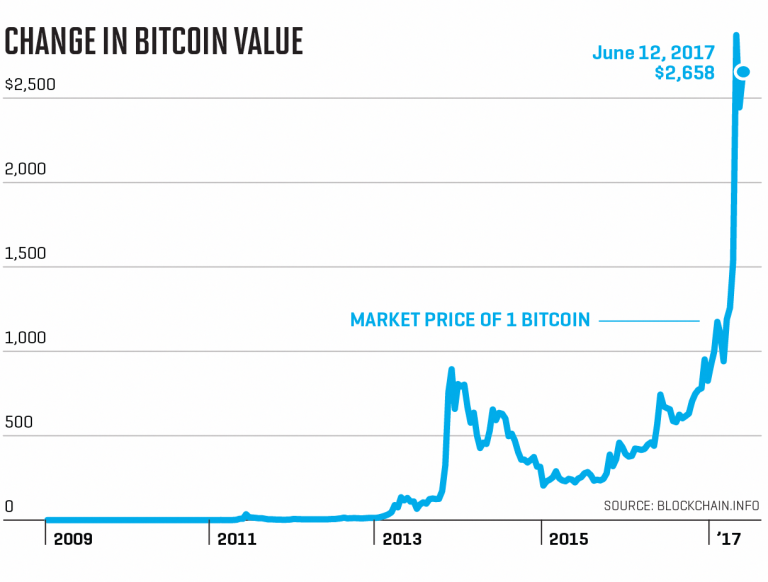
  • 2011: Bitcoin reaches $1 for the first time, marking its entry into the mainstream.
  • 2013: The price skyrockets to over $1,000, fueled by increasing media coverage and adoption.
  • 2014: The collapse of Mt. Gox, a major Bitcoin exchange, leads to a significant price drop, closing the year at around $300.
  • 2017: Bitcoin experiences a massive rally, peaking near $20,000 in December, driven by increased institutional interest and speculation.
  • 2018: A bear market ensues, with the price falling to around $3,200 by the end of the year due to regulatory scrutiny and market corrections.
  • 2020: Amid the COVID-19 pandemic and economic uncertainty, Bitcoin begins to rise again, ending the year above $28,000.
  • 2021: The price of Bitcoin reaches an all-time high of approximately $64,000 in April, spurred by institutional investments and growing acceptance.
  • 2022: The crash of crypto markets and tightening monetary policy leads to a decline, with Bitcoin falling back toward the $20,000 mark by the end of the year.
  • 2023: As of October 2023, Bitcoin shows signs of recovery and fluctuates around the $30,000 mark, amid ongoing developments in regulation and technology.

Comparison of Bitcoin Price Behavior During Bull and Bear Markets

Understanding the contrasting behaviors of Bitcoin during bull and bear markets is essential for assessing investment strategies. The following table illustrates the price behaviors during these two market conditions over the last decade.

Market Type Key Characteristics Price Movements Investor Sentiment
Bull Market Rapid price increases, high trading volumes, positive news coverage 2013: $13 to $1,000, 2017: $1,000 to $20,000 Optimistic, speculative, increased media attention
Bear Market Declining prices, reduced trading volumes, negative media coverage 2014: $1,000 to $300, 2018: $20,000 to $3,200 Pessimistic, cautious, media focus on failures

Understanding historical trends is essential for making informed decisions in the volatile world of Bitcoin trading.

Tools for Analyzing Bitcoin Price Charts

Analyzing Bitcoin price charts requires the right set of tools to make informed decisions. Various platforms and software are available that provide comprehensive features for traders and analysts alike. With the right tools, you can gain insights into market trends, price movements, and potential future actions.When selecting a tool for analyzing Bitcoin price charts, it’s crucial to consider not only the user interface but also the range of features that can enhance your analytical capabilities.

The following table summarizes some popular tools and their features.

Popular Software and Platforms

The following table Artikels several tools that are widely used for analyzing Bitcoin price charts, highlighting their features and advantages.

Tool Features Advantages
TradingView Customizable charts, social trading features, various technical indicators Intuitive interface, large community for sharing ideas, excellent for both beginners and seasoned traders
Coinigy Multi-exchange trading, advanced charting tools, alerts Allows trading across various exchanges from one platform, comprehensive market data
MetaTrader 4/5 Automated trading, backtesting capabilities, extensive indicators Robust trading options for advanced users, widely recognized and trusted in the trading community
Cryptowatch Real-time data, portfolio tracking, multiple exchange support User-friendly interface, allows for detailed market analysis at a glance
CoinMarketCap Market capitalization data, historical price charts, market news Great for getting a quick overview of market trends, reputable source of cryptocurrency data

Effective use of technical indicators can significantly enhance your analysis of Bitcoin price charts. Here are some tips for utilizing these indicators efficiently:

Combine Indicators

Use a mix of indicators to confirm trends; for example, combining Relative Strength Index (RSI) with Moving Averages can provide a more accurate picture of potential market movements.

Understand Market Context

Always consider the broader market context when applying indicators. An indicator may signal a buy in isolation, but market sentiment could suggest caution.

Set Alerts

Most platforms allow you to set alerts for specific price levels or indicator thresholds, helping you stay informed without constant monitoring.

Backtesting

Utilize historical data to test the effectiveness of your chosen indicators before applying them in live trading scenarios.

Regular Review

Frequently review your strategies and the effectiveness of your indicators based on changing market conditions, adapting as necessary for optimal performance.By leveraging these tools and techniques, traders can enhance their analysis of Bitcoin price charts, enabling more informed trading decisions.

Impact of External Factors on Bitcoin Prices

Bitcoin Gold Chart

The price of Bitcoin does not exist in a vacuum; it is significantly influenced by various external factors ranging from macroeconomic trends to regulatory changes. Understanding these influences can provide investors with better insights into the market dynamics and help them make informed decisions.Macroeconomic factors such as inflation rates, interest rates, and overall economic stability can have profound effects on Bitcoin price trends.

When traditional fiat currencies are weakened by inflation, investors often turn to Bitcoin as a hedge against currency devaluation. Furthermore, in times of economic uncertainty, the demand for alternative assets, including cryptocurrencies, tends to rise, which can increase Bitcoin’s price.

Effect of Regulatory News on Price Stability

Regulatory developments play a crucial role in determining Bitcoin’s price stability and overall market confidence. News regarding government regulations or legal frameworks can lead to rapid fluctuations in Bitcoin’s price, impacting investor sentiment and behavior.Positive regulatory news, such as the approval of Bitcoin-related financial products or clearer legal frameworks, can bolster confidence and drive prices up. In contrast, negative news—such as potential bans on cryptocurrency trading or strict regulations—can lead to sharp declines in price.

Here are some key aspects of how regulatory news influences Bitcoin:

  • Regulatory clarity can attract institutional investment, enhancing market liquidity and stability.
  • Strict regulations may lead to market volatility, causing panic selling among retail investors.
  • The announcement of regulatory enforcement actions can trigger significant price drops due to fear of increased scrutiny.
  • Geopolitical tensions resulting in regulatory changes can lead to speculative trading patterns, impacting price stability.

Correlation Between Bitcoin Prices and Traditional Financial Markets

The relationship between Bitcoin and traditional financial markets, such as stocks and commodities, has garnered significant attention. Understanding this correlation can provide insights into Bitcoin’s behavior during different economic cycles.The following points illustrate the correlation between Bitcoin prices and traditional markets:

  • Bitcoin often behaves like a risk-on asset, appreciating during bullish trends in equity markets, and declining during market corrections.
  • During economic downturns, Bitcoin may act as a non-correlated asset, attracting investors seeking refuge from traditional market volatility.
  • Events such as interest rate changes by central banks can affect Bitcoin prices, especially if they impact investor sentiment toward risk assets.
  • Cryptocurrency markets may react to macroeconomic indicators like employment rates and GDP growth, similar to traditional financial markets.

The interplay between these external factors and Bitcoin prices underscores the complex nature of cryptocurrency investments. Investors must pay attention to both global economic indicators and regulatory developments to navigate the volatile landscape of Bitcoin trading effectively.

Forecasting Future Bitcoin Price Movements

Forecasting Bitcoin price movements can seem daunting, but with the right frameworks and methodologies, traders and investors can make informed predictions. By analyzing historical trends, employing technical indicators, and considering external factors, one can develop a robust approach to predicting Bitcoin’s future prices. This section will walk you through essential strategies for forecasting, including a focus on back-testing and the critical role of sentiment analysis.

Framework for Predicting Bitcoin Price Trends

Creating a reliable framework for predicting future Bitcoin price trends involves several key components. Traders can utilize technical analysis, identifying patterns and trends within the price charts. The following elements are instrumental in developing a comprehensive forecasting model:

  • Trend Analysis: Identify long-term, medium-term, and short-term trends by examining moving averages, support and resistance levels, and chart patterns.
  • Technical Indicators: Use indicators like RSI (Relative Strength Index), MACD (Moving Average Convergence Divergence), and Bollinger Bands to assess market momentum and potential price reversals.
  • Volume Analysis: Analyze trading volume alongside price movements to validate trends. Increased volume typically confirms the strength of a price move.
  • Chart Patterns: Recognize patterns such as head and shoulders, triangles, and flags that historically indicate future price movements.

Employing these tools allows traders to build a multi-faceted view of potential price movements, improving accuracy in their forecasts.

Back-Testing Price Predictions Using Historical Data

Back-testing is a critical method for verifying the effectiveness of a price prediction model. By utilizing historical Bitcoin data, traders can simulate their forecasting strategies and assess their potential success. The process typically involves:

  • Data Collection: Obtain historical price data for Bitcoin, including daily, weekly, or monthly price points depending on the trading strategy.
  • Simulation: Apply the developed forecasting model to historical data, predicting prices based on past trends and movements.
  • Analysis of Results: Evaluate the accuracy of predictions by comparing forecasted prices to actual historical prices, determining hit rates and profitability.

By systematically testing models against historical data, traders can refine their approaches and improve future predictions.

Importance of Sentiment Analysis in Forecasting Bitcoin Prices

Sentiment analysis has become an increasingly vital aspect of forecasting Bitcoin prices. The cryptocurrency market is heavily influenced by public perception and news events, making it crucial to gauge sentiment. Key factors in sentiment analysis include:

  • Social Media Monitoring: Platforms like Twitter and Reddit can provide insights into public sentiment regarding Bitcoin, with spikes in positive or negative sentiment often correlating with price movements.
  • Market News: Analyzing news articles and reports can help gauge market sentiment. Positive news, such as institutional adoption, may drive prices up, while regulatory news can lead to declines.
  • Sentiment Indicators: Utilize specialized tools and indices such as the Fear and Greed Index to measure market sentiment quantitatively, allowing for data-driven decision-making.

Recognizing the emotional drivers of market behavior provides traders with an additional edge in forecasting Bitcoin price trends, enhancing the overall forecasting framework.

Case Studies of Bitcoin Price Movements

Bitcoin’s price history is marked by several significant spikes and drops that reflect the volatility and dynamics of the cryptocurrency market. These case studies not only highlight the extreme fluctuations in Bitcoin’s value but also provide insights into the factors that drive these movements. Understanding these case studies is essential for any investor or enthusiast looking to grasp the complexities of Bitcoin price trends.Analyzing Bitcoin’s price movements requires a focus on both the major spikes that have occurred and the recovery patterns following sharp declines.

Historical events can offer lessons on market behavior and external influences, helping investors make informed decisions. Below, we delve into notable case studies of Bitcoin price movements, encompassing both dramatic price increases and declines.

Analysis of Significant Price Spikes

Several instances in Bitcoin’s history stand out due to extraordinary price surges driven by various catalysts. Each spike presents unique circumstances, yet they share common underlying themes.

Date Price Spike Trigger Impact
December 2017 $19,783 Increased media coverage, retail investor interest Pushed Bitcoin into mainstream conversation, leading to extensive speculative trading.
April 2021 $64,863 Institutional investment from Tesla, MicroStrategy Legitimized Bitcoin as a viable asset class and increased institutional adoption.
November 2021 $69,000 Increased adoption and positive market sentiment Peak of the bull market, creating substantial wealth for early investors.

Aftermath of Sharp Price Drops

Sharp declines in Bitcoin’s price often trigger a cycle of panic selling followed by recovery phases. Understanding how the market reacts post-drop can provide valuable insights into investor psychology and market resilience.

January 2018 Drop

Following the peak in December 2017, Bitcoin’s price dropped to approximately $6,000 by February 2018. This decline was fueled by regulatory scrutiny and the exit of speculative investors.

March 2020 Crash

The COVID-19 pandemic caused a market-wide sell-off in March 2020, bringing Bitcoin’s price down to around $3,800. The subsequent recovery showcased the asset’s resilience, rapidly reaching $10,000 by May 2020.

May 2021 Correction

After reaching an all-time high, Bitcoin’s price fell to $30,000 by June 2021. The market slowly recovered, highlighting a strong support level and renewed investor confidence.

Comparative Analysis of Recovery Patterns

The recovery patterns following price drops can vary significantly based on the context of the decline. Below is a table illustrating the recovery timelines and patterns observed after notable drops.

Event Lowest Price Recovery Timeframe Characteristics of Recovery
January 2018 Drop $6,000 Over 1 year Gradual recovery, influenced by regulatory clarity and market maturity.
March 2020 Crash $3,800 Less than 3 months V-shaped recovery; rapid influx of institutional money.
May 2021 Correction $30,000 Approximately 6 months Longer recovery, underscored by ongoing debates regarding energy consumption and regulation.

Concluding Remarks

In summary, mastering the bitcoin price chart not only aids in recognizing market patterns and trends but also enhances your capability to make strategic trading decisions. As the cryptocurrency market continues to grow and evolve, staying informed about bitcoin price movements will be crucial for any investor looking to thrive in this dynamic environment.

FAQ Overview

What is a bitcoin price chart?

A bitcoin price chart visually represents the historical price movements of bitcoin over time, helping traders analyze trends and make predictions.

How can I read a bitcoin price chart?

You can read a bitcoin price chart by understanding key components like time frames, candlestick patterns, and support and resistance levels.

What are the main types of bitcoin charts?

The main types of bitcoin charts include line charts, candlestick charts, and bar charts, each offering unique insights into price behavior.

What factors influence bitcoin prices?

Bitcoin prices are influenced by macroeconomic factors, regulatory changes, market sentiment, and trading volume.

Can I predict future bitcoin prices?

While past performance and technical indicators can provide insights, predicting future bitcoin prices involves uncertainty and should be approached cautiously.

Bitcoin jp morgan has emerged as a significant topic within the financial landscape, capturing the attention of both investors and banking institutions alike. As the leading cryptocurrency, Bitcoin’s underlying technology and principles challenge traditional banking practices, prompting firms like JP Morgan to reconsider their approaches to digital currencies.

This discussion will dive into Bitcoin’s fundamental characteristics, JP Morgan’s evolving stance on the cryptocurrency, its impact on financial markets, and what the future may hold for both Bitcoin and traditional banking systems.

Overview of Bitcoin

Bitcoin is a revolutionary digital currency that has transformed the financial landscape since its inception. Developed in 2009 by an anonymous person or group using the pseudonym Satoshi Nakamoto, Bitcoin operates on a decentralized network called blockchain technology. This innovative approach offers a means of conducting secure and transparent transactions without the need for intermediaries like banks. The fundamental principles of Bitcoin are rooted in cryptography, decentralization, and transparency.

Transactions are recorded on a public ledger known as the blockchain, which ensures that all transactions are verifiable and tamper-proof. The decentralized nature of Bitcoin means that no single entity controls the network, making it resistant to censorship and fraud. Moreover, the finite supply of Bitcoin, capped at 21 million coins, introduces scarcity, which can impact its value and market dynamics.

Historical Timeline of Bitcoin’s Development and Milestones

The development of Bitcoin has involved several key milestones that highlight its growth and evolution. Understanding these milestones provides insight into Bitcoin’s trajectory and its increasing acceptance in the financial world.

  • 2008: The Bitcoin whitepaper titled “Bitcoin: A Peer-to-Peer Electronic Cash System” is published, outlining the concept and mechanics of Bitcoin.
  • 2009: The first block of the Bitcoin blockchain, known as the Genesis Block, is mined by Satoshi Nakamoto, marking the birth of Bitcoin.
  • 2010: The first real-world transaction occurs when a programmer buys two pizzas for 10,000 BTC, establishing Bitcoin’s initial real-world value.
  • 2011: Bitcoin reaches a value of $1 for the first time, gaining significant media attention and user interest.
  • 2013: Bitcoin’s price surges past $1,000, drawing widespread recognition and debates about its future as an investment.
  • 2017: The Bitcoin network experiences a scaling debate, leading to the creation of Bitcoin Cash (BCH) as a result of a hard fork.
  • 2020: Bitcoin undergoes its third halving event, reducing the block reward to 6.25 BTC and further emphasizing its scarcity.
  • 2021: Institutional adoption increases as major companies and investment firms begin to embrace Bitcoin, signaling its acceptance as a legitimate asset class.

Key Features Differentiating Bitcoin from Traditional Currencies

Bitcoin presents several key features that set it apart from traditional fiat currencies, significantly reshaping users’ and investors’ approach to money.

  • Decentralization: Unlike fiat currencies controlled by central banks, Bitcoin operates on a decentralized network, reducing the risk of government interference.
  • Limited Supply: With a maximum cap of 21 million coins, Bitcoin is designed to be scarce, enhancing its value proposition compared to traditional currencies that can be printed in unlimited quantities.
  • Transparency: Every transaction is recorded on the blockchain, enabling full transparency. Users can verify transactions without needing to trust a central authority.
  • Low Transaction Fees: Bitcoin transactions often incur lower fees compared to traditional banking systems, especially for international transfers.
  • Global Accessibility: Bitcoin can be accessed and utilized by anyone with an internet connection, making it inclusive for individuals in regions underserved by traditional banking.

Bitcoin embodies a new paradigm of financial freedom, enabling peer-to-peer transactions without the constraints of intermediaries.

JP Morgan’s Perspective on Bitcoin

JP Morgan Chase has had a complex and evolving relationship with Bitcoin, moving from skepticism to a more nuanced understanding of its potential impact on the financial landscape. Initially viewed with disdain, the bank’s stance has gradually shifted, reflecting broader changes in the perception of cryptocurrency in the financial world.The evolution of JP Morgan’s viewpoint is noteworthy. In 2017, CEO Jamie Dimon famously called Bitcoin a “fraud,” dismissing it as a bubble.

However, as the digital asset gained traction and institutional interest surged, the bank began to reconsider its position. By 2021, they started offering clients access to cryptocurrency investments, signaling a significant shift in their strategy. This adaptability highlights the bank’s recognition of Bitcoin’s potential role in modern finance.

Notable Statements from JP Morgan Executives

Several key statements from JP Morgan executives illustrate this evolution. Jamie Dimon has since stated that while he remains skeptical about Bitcoin’s long-term viability, he acknowledges the underlying blockchain technology’s potential. His perspective illustrates a broader acceptance of digital assets as legitimate financial instruments.In addition, other executives have echoed this sentiment. For instance, JP Morgan’s global head of research, Nikolaos Panigirtzoglou, has indicated that Bitcoin might be viewed as “digital gold,” suggesting that it could serve as a hedge against inflation and currency devaluation.

This perspective positions Bitcoin as a legitimate asset class alongside traditional investments.

Comparison with Other Major Financial Institutions

JP Morgan’s evolving view of Bitcoin contrasts with the stances of other major financial institutions. While some have remained skeptical, others have embraced cryptocurrency wholeheartedly. For example, Goldman Sachs and Morgan Stanley have offered Bitcoin-related investment products and actively engage in cryptocurrency trading. These firms have recognized the demand from clients for exposure to digital currencies, further legitimizing the asset class.To illustrate the contrasting positions among financial institutions, consider the following points:

  • Goldman Sachs: Actively trading Bitcoin and providing clients with investment opportunities in cryptocurrency.
  • Bank of New York Mellon: Announced plans to offer Bitcoin custody services, recognizing the need for secure holding solutions for digital assets.
  • Wells Fargo: Remains cautious, focusing more on the regulatory challenges and potential risks associated with cryptocurrencies.

This diverse range of perspectives highlights the ongoing debate within the financial sector regarding the role of Bitcoin and cryptocurrencies in the economy. As the digital currency landscape continues to evolve, JP Morgan’s adaptive approach may serve as a model for how traditional banks can navigate the complexities of this burgeoning market.

Bitcoin’s Impact on Financial Markets

Bitcoin has emerged as a significant player in global financial markets, influencing stock trends and investor behavior in unprecedented ways. As the first cryptocurrency, it has set the stage for a new era in investment strategies, drawing attention from both institutional and retail investors. The interplay between Bitcoin and traditional financial markets has provoked various reactions and strategies among market participants, shaping the overall financial landscape.Bitcoin’s volatility and price movements often correlate with shifts in stock market performance, creating a ripple effect across various sectors.

Investors are increasingly observing Bitcoin as an alternative asset class, leading to new dynamics in market behavior. This section will delve into how Bitcoin impacts financial markets by analyzing its influence on stock trends and highlighting real-world examples of market events triggered by Bitcoin’s price fluctuations.

Influence on Stock Market Trends and Investor Behavior

The volatility of Bitcoin has significant implications for stock markets, as it often leads to changes in investor sentiment and behavior. When Bitcoin experiences sharp price movements, it can trigger immediate reactions in associated sectors, particularly in technology and finance. For instance, when Bitcoin spiked to unprecedented levels in late 2017, companies involved in cryptocurrency-related businesses, such as exchanges and blockchain technology firms, saw their stock prices soar.

Conversely, during downturns, such as the crash in early 2018, there was a noticeable decline in tech stocks, reflecting the broader market’s response to the cryptocurrency’s instability.Investor behaviors are also influenced, as many view Bitcoin as a hedge against inflation and economic uncertainty. This perception has led to increased interest from institutional investors, including hedge funds and large corporations. Consequently, traditional investment strategies are evolving, with many portfolios now integrating Bitcoin to diversify risk.

Significant Market Events Triggered by Bitcoin Movements

Bitcoin’s price movements have been responsible for several notable market events that highlight its impact on financial markets. The following examples illustrate the connection between Bitcoin and broader market trends:

  • 2017 Bull Run: The meteoric rise of Bitcoin’s price from under $1,000 in January to nearly $20,000 by December led to a surge in interest across financial markets. This period saw many companies’ stocks soar, particularly those involved in blockchain technologies.
  • March 2020 Market Crash: The onset of the COVID-19 pandemic triggered a global market sell-off, during which Bitcoin’s price plummeted alongside stocks. This event underscored Bitcoin’s volatility and its potential as a risk asset during economic turmoil.
  • Bitcoin ETF Hype in 2021: The anticipation around the approval of Bitcoin exchange-traded funds (ETFs) in the United States led to a rally in both Bitcoin and related stock prices. This period saw significant investment in Bitcoin mining companies and technology firms, highlighting the interconnectedness of these markets.

Potential Risks and Rewards to Traditional Financial Systems

The integration of Bitcoin into financial markets presents both risks and rewards for traditional financial systems. The potential rewards include increased market efficiency and the democratization of finance, as Bitcoin allows for borderless transactions and reduces the need for intermediaries. However, the risks cannot be overlooked. The inherent volatility of Bitcoin poses a threat to financial stability, particularly if large institutions heavily invest in it.

Additionally, regulatory uncertainties surrounding Bitcoin and other cryptocurrencies could have significant implications for traditional financial systems.

“Bitcoin represents both a transformative opportunity and a significant challenge to the financial status quo.”

In summary, Bitcoin’s impact on financial markets is multifaceted, influencing investor behavior, stock trends, and presenting a unique set of risks and rewards. As this digital currency continues to evolve, its presence in financial markets will likely grow, prompting ongoing analysis and adaptation among investors and institutions alike.

JP Morgan’s Involvement with Bitcoin

JP Morgan has been at the forefront of integrating blockchain technology and cryptocurrencies into the mainstream financial ecosystem. This involvement reflects the bank’s recognition of the digital asset’s potential and its commitment to navigating the evolving financial landscape.To further solidify its position within the cryptocurrency space, JP Morgan has introduced several initiatives aimed at leveraging Bitcoin and blockchain technology. These efforts range from developing innovative financial products to forming strategic partnerships with leading firms in the fintech space.

Initiatives and Products Related to Bitcoin

JP Morgan has actively engaged in various initiatives that demonstrate its commitment to the Bitcoin ecosystem. The bank launched its own cryptocurrency, the JPM Coin, initially aimed at facilitating instantaneous payments between institutional clients. This initiative underscores JP Morgan’s belief in the importance of digital currencies in enhancing payment efficiencies. In addition, JP Morgan offers a dedicated Bitcoin and cryptocurrency research team, which provides insights and analysis on digital assets.

Their research has highlighted significant trends, investor sentiment, and potential price movements in the Bitcoin market. Furthermore, the bank has introduced investment products that make exposure to Bitcoin more accessible to its clients. Notably, their asset management division has begun to offer clients the ability to invest in a Bitcoin fund, allowing investors to gain exposure to Bitcoin’s price movements without holding the asset directly.

Partnerships and Collaborations in the Blockchain Sector

JP Morgan has recognized the value of collaboration within the blockchain ecosystem. The bank has established partnerships with various technology firms to enhance its blockchain capabilities. Key collaborations include:

  • Partnership with ConsenSys, a leading blockchain software technology company, to explore the potential of Ethereum and develop applications that can streamline financial transactions.
  • Collaboration with Microsoft to leverage blockchain technology for improving payment processes and enhancing financial transactions.
  • Engagement with the Interbank Information Network (IIN), a blockchain network aimed at reducing inefficiencies in cross-border payments, enabling faster and more secure transactions.

These strategic partnerships not only broaden JP Morgan’s influence within the blockchain sector but also contribute to innovative solutions that can ultimately enhance the client experience and efficiency in financial services.

“JP Morgan’s engagement with Bitcoin and blockchain highlights its commitment to staying ahead of technological advancements in finance.”

Regulatory Considerations of Bitcoin

The regulatory landscape surrounding Bitcoin is complex and varies significantly from country to country. As Bitcoin continues to gain traction as a prominent financial asset, its regulatory challenges are becoming increasingly relevant, particularly for major financial institutions like JP Morgan. Understanding these regulatory considerations is vital for navigating the evolving market environment for cryptocurrencies.Globally, Bitcoin faces a myriad of regulatory challenges that impact its adoption and market stability.

Different jurisdictions have adopted varying approaches to regulation, leading to an inconsistent global framework. In the United States, for instance, Bitcoin is treated differently by various regulatory bodies, including the SEC, CFTC, and FinCEN. In Europe, regulations vary between member states, and in some regions, Bitcoin is still viewed with skepticism. JP Morgan plays a significant role in addressing these challenges by actively engaging with regulators and striving to shape policies that promote innovation while ensuring compliance and security in the financial system.

Compliance Navigation by JP Morgan

To successfully operate within the framework of Bitcoin transactions, JP Morgan has implemented robust compliance protocols. These protocols are designed to ensure that all Bitcoin-related activities adhere to local and international regulations. The bank’s approach includes:

Risk Assessment

Regular evaluations of the risks associated with Bitcoin transactions are conducted to identify potential regulatory breaches and mitigate associated risks.

Transaction Monitoring

Advanced software systems are employed to monitor Bitcoin transactions in real-time, detecting any suspicious activity that could indicate money laundering or other illicit actions.

Regulatory Reporting

JP Morgan maintains a commitment to transparency by ensuring that all required regulatory reports are submitted accurately and on time.The bank’s proactive stance in adhering to compliance requirements has allowed it to navigate the complexities of Bitcoin transactions effectively while maintaining its reputation and trust within the financial community.

Impact of Regulatory Actions on Bitcoin Markets

Regulatory actions can significantly influence the performance of Bitcoin in the financial markets. Several notable examples highlight this impact:

China’s Crackdown on Crypto Exchanges

In 2017, the Chinese government imposed strict regulations on cryptocurrency exchanges, resulting in a sharp decline in Bitcoin’s value. The ban on initial coin offerings (ICOs) and the shutdown of local exchanges led to a temporary market downturn.

SEC’s Stance on ETFs

The U.S. Securities and Exchange Commission (SEC) has repeatedly delayed decisions on Bitcoin ETFs. Each delay has resulted in increased market volatility, as investors react to the uncertainty surrounding potential institutional adoption.

El Salvador’s Bitcoin Legalization

In 2021, El Salvador became the first country to recognize Bitcoin as legal tender. This bold regulatory move led to a surge in Bitcoin’s acceptance and price, showing how supportive regulation can positively impact market performance.These examples illustrate how regulatory measures can either enhance or hinder Bitcoin’s market position, emphasizing the need for ongoing dialogue between regulators and financial institutions like JP Morgan to foster a stable and secure environment for cryptocurrency transactions.

Future Outlook for Bitcoin and JP Morgan

As Bitcoin continues to evolve, both in usage and acceptance, the financial landscape is likely to undergo significant transformations. The next few years will be crucial for Bitcoin’s integration into mainstream financial systems, especially considering institutions like JP Morgan that are at the forefront of this change.Looking ahead, several trends in Bitcoin usage and adoption are anticipated, particularly as more businesses and consumers recognize the benefits of digital currencies.

Central to this discussion is JP Morgan’s strategic approach to Bitcoin and how it plans to leverage the cryptocurrency in the coming 5-10 years.

Potential Trends in Bitcoin Usage and Adoption

Bitcoin’s future is closely tied to its acceptance by various sectors. Increasing institutional adoption, technological advancements, and regulatory developments will play vital roles in shaping its trajectory. Some potential trends include:

  • Growing institutional investment, as seen with firms like MicroStrategy and Tesla, who have integrated Bitcoin into their treasury strategies.
  • Enhanced payment solutions, with more merchants accepting Bitcoin directly, thereby expanding its utility as a currency.
  • The rise of Central Bank Digital Currencies (CBDCs), potentially fostering a collaborative environment between Bitcoin and regulated digital currencies.
  • Increased focus on sustainability, as Bitcoin mining seeks to address environmental concerns through renewable energy initiatives.
  • Advancements in Bitcoin scalability and security, enabling more efficient transactions and broader acceptance.

JP Morgan’s Strategic Plans for Bitcoin

JP Morgan has been proactive in exploring the potential of Bitcoin and digital assets. Their strategic plans over the next 5-10 years include:

  • Developing and enhancing their blockchain technology to facilitate cryptocurrency transactions more effectively.
  • Offering Bitcoin investment products to retail and institutional clients, thereby democratizing access to digital assets.
  • Establishing partnerships with blockchain firms to integrate innovative solutions into their existing platforms.
  • Providing advisory services related to cryptocurrency investments and regulatory compliance, positioning themselves as a leader in crypto finance.
  • Expanding their own digital currency initiatives, such as the JPM Coin, to streamline transactions across their network.

Reshaping the Banking Industry with Bitcoin

Bitcoin has the potential to significantly disrupt traditional banking paradigms. As JP Morgan navigates this evolving landscape, its influence is particularly noteworthy. The integration of Bitcoin could lead to:

  • A shift towards decentralized finance (DeFi), where traditional banking services are replaced or complemented by blockchain-based alternatives.
  • Increased competition among financial institutions, driving innovation and better services for consumers.
  • Enhanced transparency in financial transactions, thanks to blockchain technology reducing fraud and increasing trust.
  • New revenue streams for banks, as they offer crypto-related services and products to meet changing consumer demands.
  • Potential regulatory shifts, influencing how banks operate in relation to digital currencies, with JP Morgan likely playing a key role in shaping industry standards.

“Bitcoin is not just a currency; it represents a fundamental shift in how we think about money and value.”

Epilogue

In summary, the intricate relationship between bitcoin jp morgan reveals much about the transformation of financial markets and banking strategies. As these two worlds intersect, the ongoing dialogue and developments will shape our understanding of digital currencies and their role in the economy.

FAQ Resource

What is Bitcoin?

Bitcoin is a decentralized digital currency that uses blockchain technology to enable peer-to-peer transactions without the need for intermediaries.

How has JP Morgan’s view on Bitcoin changed?

Initially skeptical, JP Morgan has acknowledged Bitcoin’s potential and has integrated blockchain technology into its services, reflecting a more open stance.

What risks does Bitcoin pose to financial markets?

Bitcoin’s volatility can lead to market instability and affect investor behavior, posing risks for traditional financial systems.

What initiatives has JP Morgan taken in the crypto space?

JP Morgan has launched its own cryptocurrency, JPM Coin, and offers blockchain-based services for its clients.

What are the regulatory challenges facing Bitcoin?

Bitcoin faces various regulatory issues globally, including compliance with anti-money laundering laws and concerns about market manipulation.

Bitcoin for dummies sets the stage for this enthralling narrative, offering readers a glimpse into a story that is rich in detail and brimming with originality from the outset.

In this guide, we’ll break down what Bitcoin is, how it works, and why it has become a revolutionary form of digital currency. You’ll learn about its origins, how transactions are processed, and the innovative technology of blockchain that powers it. Whether you’re a complete beginner or just curious about Bitcoin, this overview will provide you with the essential knowledge you need to navigate the world of cryptocurrency.

Introduction to Bitcoin

Bitcoin is a decentralized digital currency that enables peer-to-peer transactions without the need for intermediaries like banks. It operates on a technology called blockchain, which is a public ledger that records all transactions made with Bitcoin. This revolutionary concept allows for secure and transparent transactions, making it a popular choice for many users worldwide.Bitcoin was created in 2009 by an anonymous person or group known as Satoshi Nakamoto.

The idea was born out of the 2008 financial crisis, where trust in traditional financial institutions was waning. Since its inception, Bitcoin has evolved significantly, witnessing substantial growth in value and popularity, leading to the emergence of thousands of alternative cryptocurrencies.

Key Features of Bitcoin

Several distinctive features set Bitcoin apart from traditional currencies. Understanding these characteristics is essential for grasping the potential of Bitcoin in the financial landscape.

  • Decentralization: Unlike traditional currencies issued by governments, Bitcoin operates on a decentralized network. No single entity controls the currency, which enhances security and reduces the risk of manipulation.
  • Limited Supply: There will only ever be 21 million Bitcoins in existence, a feature that creates scarcity and helps to prevent inflation, similar to precious metals.
  • Security: Bitcoin transactions are secured using cryptography, making them nearly impossible to counterfeit. Every transaction is recorded on a blockchain, providing transparency and accountability.
  • Global Accessibility: Bitcoin can be sent or received anywhere in the world, making it an ideal option for cross-border transactions without hefty fees or delays associated with traditional banking systems.
  • Anonymity: While Bitcoin transactions are public, the identities of those involved are shielded behind cryptographic addresses, offering a level of privacy that is not typically available with traditional banking transactions.

How Bitcoin Works

Bitcoin operates as a decentralized digital currency, relying on complex technology to facilitate secure transactions without the need for traditional banking systems. Understanding how Bitcoin works involves delving into the mechanisms behind transactions, the revolutionary blockchain technology, and the process of mining that generates new Bitcoins.

Bitcoin Transactions and Verification

When a user initiates a Bitcoin transaction, the process begins with the transmission of this transaction to a network of nodes—computers that maintain the Bitcoin blockchain. Each transaction includes details such as the sender’s and receiver’s Bitcoin addresses and the amount being transferred. To ensure the transaction is legitimate, it undergoes a verification process by the network’s nodes. The verification process involves checking the sender’s digital signature and ensuring they have sufficient funds.

Once verified, the transaction is grouped with other transactions into a block. This block is then broadcasted to the network, where miners will compete to add it to the blockchain.

Blockchain Technology

At the core of Bitcoin’s functionality lies blockchain technology. A blockchain is a distributed ledger that records all transactions across a network of computers. Each block in the chain contains a list of transactions, a timestamp, and a reference to the previous block, forming an unalterable chain of data.The significance of blockchain technology is multifaceted:

  • Transparency: All transactions are visible to anyone on the network, promoting trust among users.
  • Security: The decentralized nature of the blockchain makes it resistant to tampering and fraud.
  • Consensus Mechanism: The network reaches an agreement on the validity of transactions through processes like proof of work, ensuring that all copies of the blockchain remain synchronized.

Mining and Bitcoin Generation

Mining is the process by which new Bitcoins are created and transactions are validated on the Bitcoin network. It involves solving complex mathematical problems that require significant computational power. Miners use specialized hardware to compete in solving these problems, known as proof of work.Upon successfully mining a block, the miner is rewarded with a predetermined number of Bitcoins, which incentivizes the maintenance and security of the network.

The mining reward is halved approximately every four years in an event known as the “halving,” which helps control Bitcoin’s supply and simulate scarcity.Mining also plays a crucial role in the verification process, as it secures the network against attacks and ensures that transactions are confirmed and added to the blockchain. As more miners join the network, the difficulty of solving these mathematical problems increases, ensuring that new Bitcoins are generated at a stable rate.

Getting Started with Bitcoin

Setting up your journey into the world of Bitcoin can seem daunting, but with a clear step-by-step guide, you can navigate through the initial stages with ease. This section will cover how to set up a Bitcoin wallet, various methods to purchase Bitcoin, and tips for securing your holdings.

Setting Up a Bitcoin Wallet

A Bitcoin wallet is essential for storing and managing your Bitcoin. The setup process is straightforward and can be done in a few simple steps.

1. Choose a Wallet Type

There are several types of wallets to consider:

Software Wallets

Applications that can be installed on your computer or mobile device.

Hardware Wallets

Physical devices that securely store your private keys offline.

Web Wallets

Online services that allow you to access your Bitcoin from anywhere.

2. Download or Purchase the Wallet

Depending on the type of wallet you choose, download the software or purchase the hardware device from a reputable vendor.

3. Create a New Wallet

Follow the wallet’s instructions to create a new account. This typically involves generating a new address and setting a secure password.

4. Backup Your Wallet

Most wallets will provide a recovery phrase. Write this down and store it in a safe place, as it will be crucial for recovering your wallet if you lose access.

5. Secure Your Wallet

Enable any additional security features offered by your wallet, such as two-factor authentication.

Methods to Buy Bitcoin

There are various ways to purchase Bitcoin, each with its own advantages and considerations. Understanding these methods can help you choose the best option for your needs. Exchanges: Cryptocurrency exchanges are platforms where you can buy, sell, and trade Bitcoin. Some popular exchanges include Coinbase, Binance, and Kraken. To buy Bitcoin through an exchange, you typically need to:

  • Create an account and verify your identity.
  • Link your bank account or credit card.
  • Choose the amount of Bitcoin you wish to purchase and complete the transaction.

Peer-to-Peer Options: Peer-to-peer (P2P) exchanges facilitate direct transactions between users. Platforms like LocalBitcoins and Paxful allow buyers and sellers to connect without intermediaries. Here’s how it generally works:

  • Sign up on a P2P platform and create a profile.
  • Browse listings of Bitcoin sellers and find a suitable deal.
  • Agree on the terms and complete the transaction directly with the seller.

Securing Bitcoin Holdings

Security is paramount when it comes to holding Bitcoin. Implementing robust security measures can help protect your assets from theft or loss. Consider the following tips:

Use Strong Passwords

Create complex passwords that are hard to guess. Avoid using personal information.

Enable Two-Factor Authentication (2FA)

Adding an extra layer of security, 2FA requires not only a password but also a second factor, such as a text message verification.

Keep Software Updated

Regularly update your wallet software and any devices used to access it to protect against vulnerabilities.

Use Cold Storage

For larger amounts of Bitcoin or long-term storage, consider using a hardware wallet or a paper wallet to keep your Bitcoin offline.

Be Cautious of Phishing Scams

Always verify website URLs and avoid clicking on suspicious links that may lead to fraudulent sites.By following these steps and tips, you’ll be well on your way to safely exploring and investing in Bitcoin, equipped with the knowledge to navigate this exciting digital currency landscape.

Using Bitcoin

Bitcoin is not just a digital currency; it’s a versatile tool that can be used for various transactions in the modern economy. As more businesses adopt cryptocurrency, the ways in which Bitcoin can be utilized continue to expand. From purchasing everyday items to investing in technology, understanding how to effectively use Bitcoin is crucial for anyone looking to engage with this revolutionary financial system.One of the most appealing aspects of Bitcoin is its application for purchasing goods and services.

Numerous online and brick-and-mortar stores now accept Bitcoin as a form of payment. Major companies such as Microsoft, Overstock, and AT&T have integrated Bitcoin payments into their checkout systems. These transactions can range from buying electronics to booking travel arrangements. As Bitcoin adoption grows, the list of retailers accepting it continues to lengthen, allowing consumers more freedom in how they shop.

Advantages of Using Bitcoin for Online Transactions

Utilizing Bitcoin for online transactions offers several distinct benefits over traditional payment methods. These advantages can significantly enhance the shopping experience for consumers and businesses alike.

  • Lower Transaction Fees: Bitcoin transactions often have lower fees compared to credit card payments. This can be particularly beneficial for merchants, as they can save on processing costs.
  • Speed of Transactions: Bitcoin transactions can be processed quickly, often within minutes. This is especially advantageous for international purchases, where traditional banking methods may take several days.
  • Enhanced Security: Bitcoin transactions are secured using cryptographic methods, making them less susceptible to fraud and chargebacks that commonly affect credit card payments.
  • Anonymity and Privacy: Bitcoin transactions can be conducted with a level of anonymity that isn’t typically available with traditional banking. While transactions are traceable on the blockchain, personal information is not linked to wallet addresses.
  • Global Accessibility: Bitcoin can be used anywhere in the world, providing access to those without traditional banking services. This opens up new markets for businesses and consumers.

Converting Bitcoin to Traditional Currency

Converting Bitcoin to traditional currency is a straightforward process, although it comes with associated fees. Users typically convert Bitcoin through exchanges or peer-to-peer platforms, allowing them to trade their cryptocurrency for fiat currency like USD, EUR, or GBP.The fees for conversion can vary significantly based on the platform used and the transaction amount. It’s important to consider the following aspects when converting Bitcoin:

  • Exchange Fees: Most exchanges charge a transaction fee, which can be a flat rate or a percentage of the total value of the transaction. These fees often range from 0.1% to 1% on major exchanges.
  • Market Volatility: The value of Bitcoin can fluctuate rapidly, impacting the amount of fiat currency received during conversion. It is advisable to monitor market conditions before making a transaction.
  • Withdrawal Fees: Some exchanges charge fees for withdrawing funds after the conversion process, which can vary based on the method chosen (bank transfer, PayPal, etc.).
  • Network Fees: Bitcoin transactions incur network fees based on the congestion of the blockchain. Higher network activity can lead to increased fees for faster confirmations.

In summary, using Bitcoin for purchases offers numerous advantages, from lower fees to faster transactions. Converting Bitcoin to traditional currency can be done seamlessly, although users should be aware of the associated fees and market conditions to maximize their benefits.

Bitcoin Investment Strategies

Bitcoin for dummies: A Comprehensive Introduction for Beginners | Godex.io

Investing in Bitcoin can be an exhilarating experience, but it also requires a well-thought-out strategy. With its volatile nature, understanding the different approaches to Bitcoin investment can significantly impact your financial journey. This section will explore various investment strategies, each tailored to different risk appetites and investment goals.

Investment Strategies Overview

There are primarily two main strategies for investing in Bitcoin: HODLing and trading. Each strategy has its own set of risks and benefits, making it essential for investors to choose one that aligns with their financial goals and risk tolerance.

HODLing vs. Trading

HODLing, a term derived from a misspelled forum post, refers to a long-term investment strategy where investors buy and hold Bitcoin regardless of market fluctuations. On the other hand, trading involves buying and selling Bitcoin over shorter time frames to capitalize on price volatility. Below is a comparison table outlining the risks and benefits associated with these strategies.

Strategy Benefits Risks
HODLing
  • Potential for significant long-term gains
  • Less time-consuming than trading
  • Less exposure to market emotional reactions
  • Market conditions can lead to prolonged losses
  • Opportunity costs from not utilizing market volatility
  • Risk of regulatory changes affecting Bitcoin value
Trading
  • Ability to profit from short-term price movements
  • Flexibility to respond to market trends
  • Potential for leveraging investments for higher returns
  • High emotional and psychological stress
  • Risk of significant losses due to market volatility
  • Time-consuming and requires constant market monitoring

Factors to Consider Before Investing in Bitcoin

Before diving into Bitcoin investments, several critical factors should be evaluated to ensure a sound decision-making process. Consider the following elements:

Market Volatility

Bitcoin’s price can fluctuate dramatically. Understanding your risk tolerance is crucial.

Investment Horizon

Define whether you are looking for short-term gains or long-term wealth accumulation.

Regulatory Landscape

Stay updated on regulatory developments in your country, as they can affect Bitcoin’s legality and market potential.

Security Measures

Implement strong security practices to protect your investment, such as using hardware wallets and two-factor authentication.

Diversification

Consider whether Bitcoin will be part of a more extensive investment portfolio, balancing risks across different asset classes.It is vital for investors to conduct thorough research and possibly consult financial advisors to navigate the intricacies of Bitcoin investment effectively. Each strategy presents unique opportunities and challenges, making informed decision-making essential in this dynamic landscape.

Understanding Bitcoin’s Volatility

Bitcoin is often lauded for its potential to revolutionize finance, but its notorious price volatility can leave both new and seasoned investors scratching their heads. Understanding the reasons behind this volatility is essential for making informed investment decisions. As Bitcoin continues to capture public interest, recognizing its historical trends and the factors that influence its price can provide valuable insights into this digital currency’s behavior.Several factors contribute to the volatility of Bitcoin’s price.

One major reason is its relatively low market capitalization compared to traditional assets like gold or stocks. This means that even small changes in demand or supply can lead to significant price swings. Additionally, Bitcoin’s decentralized nature means that it operates outside traditional financial systems, leading to price fluctuations based on news events, regulatory changes, and market sentiment. Speculation plays a crucial role, as many investors are drawn in by the prospect of high returns, driving prices up or down rapidly.

Historical Price Trends of Bitcoin

Examining historical price trends provides context for Bitcoin’s volatility and reveals patterns that can inform investment strategies. Over the past decade, Bitcoin has experienced multiple boom and bust cycles, attracting attention for its dramatic price increases followed by significant corrections. For example, in late 2017, Bitcoin surged to nearly $20,000 before plummeting to around $3,000 by December 2018. Such fluctuations illustrate the speculative nature of Bitcoin and the emotional responses of investors in reaction to market movements.The implications of these price trends for investors are profound.

Understanding that Bitcoin can experience wild price swings helps investors prepare emotionally and financially for potential losses. Investors should approach Bitcoin with a long-term mindset, recognizing that while the price may be volatile in the short term, it has historically trended upwards over extended periods. This perspective can mitigate the fear of missing out (FOMO) or panic selling during downturns.

Methods for Tracking Bitcoin’s Market Performance

Keeping a pulse on Bitcoin’s market performance is crucial for any investor looking to navigate its volatile landscape. Various tools and platforms can assist in tracking real-time price movements, historical data, and market trends.Many investors rely on cryptocurrency exchanges and financial news websites to monitor Bitcoin prices. These platforms often provide charts that illustrate price movements over different time frames, helping investors spot trends and make informed decisions.

Additionally, price alert systems can notify users when Bitcoin reaches certain price points, allowing for timely buying or selling actions.Another effective method is utilizing market analysis tools that aggregate data from various exchanges to provide an overview of Bitcoin’s liquidity and price variations. These tools can offer insights into market depth, trading volume, and sentiment analysis, allowing investors to gauge overall market conditions.

Moreover, subscribing to financial newsletters or following cryptocurrency analysts on social media can keep investors informed about market developments and expert opinions, further aiding in decision-making. This comprehensive tracking approach can help mitigate risk and harness potential opportunities in the ever-changing Bitcoin market.

Legal and Regulatory Aspects

The regulatory landscape for Bitcoin varies greatly across the globe, impacting how individuals and businesses engage with this cryptocurrency. Understanding these regulations is crucial for anyone involved in Bitcoin trading, investment, or usage, as compliance can significantly influence operations and potential returns.The legal framework surrounding Bitcoin encompasses a range of issues, including how the cryptocurrency is categorized, the regulations that govern its use, and the tax implications for those who trade or hold it.

Different countries have adopted varying approaches, leading to a complex and often confusing environment for users.

Regulatory Landscape of Bitcoin

Many countries are still developing their regulatory approach to Bitcoin. The following are key examples of how various governments handle Bitcoin:

  • United States: In the U.S., Bitcoin is classified as a commodity by the Commodity Futures Trading Commission (CFTC) and is subject to federal and state regulations. Cryptocurrency exchanges must comply with Anti-Money Laundering (AML) and Know Your Customer (KYC) laws.
  • European Union: The EU has proposed a framework called the Markets in Crypto-Assets (MiCA) regulation, which aims to create a cohesive regulatory environment for cryptocurrencies across member states. This initiative is still under discussion.
  • China: China has taken a strict stance against Bitcoin, banning its trading and mining activities. This policy reflects the government’s concern over financial stability and capital outflow.
  • Japan: Japan recognizes Bitcoin as a legal method of payment and has introduced regulatory measures to govern exchanges, ensuring consumer protection and compliance with financial laws.

Tax Implications of Trading and Holding Bitcoin

Taxation is a crucial aspect for anyone trading or holding Bitcoin. The tax treatment of cryptocurrencies varies by jurisdiction but generally follows similar principles. Here are some important points to consider regarding tax implications:

  • Capital Gains Tax: In many countries, profits from trading Bitcoin are subject to capital gains tax. This means that if you sell Bitcoin for more than you paid, the profit is taxable.
  • Income Tax: If Bitcoin is received as payment for goods or services, it often constitutes ordinary income, and taxes apply based on its fair market value at the time of receipt.
  • Reporting Requirements: Many countries require taxpayers to report cryptocurrency holdings and transactions on their tax returns, necessitating meticulous record-keeping.

Comparative Legal Frameworks

The legal frameworks governing Bitcoin differ significantly between countries, reflecting diverse regulatory philosophies and economic priorities. Here are some comparisons:

  • Regulatory Clarity: Countries like Japan and Switzerland provide clear regulatory guidelines, fostering innovation and adoption, while others like India and China impose heavy restrictions.
  • Consumer Protection: Jurisdictions such as the U.S. and EU emphasize consumer protection through regulations, whereas in countries with less clarity, users may face higher risks of fraud or loss.
  • Licensing and Compliance: Some regions require cryptocurrency exchanges to obtain licenses and adhere to strict compliance measures, while in others, no formal licensing is required.

“Understanding the legal and regulatory aspects of Bitcoin is essential for anyone looking to navigate the cryptocurrency landscape safely and successfully.”

The Future of Bitcoin

As Bitcoin continues to gain traction in financial markets and everyday transactions, it’s essential to consider not just its current state but also the future trajectory of this pioneering cryptocurrency. Emerging trends in technology and adoption will play a significant role in shaping Bitcoin’s journey ahead, as will various challenges that may arise. Understanding these dynamics can help investors, users, and enthusiasts prepare for what lies ahead in the evolving landscape of digital currency.

Emerging Trends in Bitcoin Technology and Adoption

The future of Bitcoin is likely to be influenced by several technological advancements and increased adoption rates. As Bitcoin infrastructure develops, new technologies and solutions are expected to emerge. Some of these trends include:

  • Layer 2 Solutions: Technologies like the Lightning Network aim to enhance Bitcoin’s scalability and transaction speed, enabling faster and cheaper transactions. This could significantly increase Bitcoin’s use in everyday payments.
  • Institutional Adoption: More institutions are integrating Bitcoin into their portfolios, which could lead to greater legitimacy and stability in the market. Companies like Tesla and MicroStrategy have already made significant investments in Bitcoin.
  • Decentralized Finance (DeFi): The rise of DeFi platforms utilizing Bitcoin and other cryptocurrencies could revolutionize traditional finance, offering lending, borrowing, and trading options without intermediaries.
  • Interoperability: Increased focus on interoperability between different blockchain networks may enhance Bitcoin’s functionality and usability in the wider crypto ecosystem.

Potential Challenges Facing Bitcoin

Despite its promising future, Bitcoin faces several challenges that could hinder its growth and adoption. Analyzing these challenges is crucial for stakeholders:

  • Regulatory Scrutiny: Governments worldwide are developing regulations for cryptocurrencies. Stricter regulations could impact Bitcoin’s operation and trading, creating uncertainty for investors.
  • Environmental Concerns: Bitcoin mining is often criticized for its high energy consumption. The sustainability debate could lead to calls for more eco-friendly practices or alternative consensus mechanisms.
  • Market Volatility: Bitcoin’s price fluctuations can deter potential users and investors. A stable price, along with measures to address volatility, may be necessary for broader adoption.
  • Competition from Altcoins: As the cryptocurrency market evolves, Bitcoin may face increased competition from alternative coins that offer unique features or improvements over Bitcoin’s original framework.

Insights on Bitcoin’s Evolution Over the Next Decade

Looking ahead, Bitcoin is poised for significant evolution within the next ten years, driven by technological advancements and market demands. Key insights into this evolution include:

  • Increased User Adoption: As knowledge of Bitcoin grows, more individuals and businesses are likely to embrace it, leading to a broader understanding and acceptance of cryptocurrencies in daily transactions.
  • Integration with Traditional Finance: With financial institutions exploring blockchain technology, Bitcoin could become integrated into traditional banking services, providing users with seamless access to digital assets.
  • Enhanced Security Features: Ongoing improvements in security measures, including quantum resistance, could make Bitcoin transactions safer and more reliable, which is crucial as it gains wider acceptance.
  • Global Payment Solutions: Bitcoin’s role as a medium for cross-border transactions may solidify, offering a convenient alternative to traditional remittance services, especially in developing countries.

Common Myths about Bitcoin

Many people have misconceptions about Bitcoin that can lead to confusion and misinformation. Understanding these myths is crucial for anyone looking to engage with or invest in Bitcoin. By debunking these myths, we can demystify Bitcoin and encourage informed discussions about its functionalities and potential.One prevalent misconception is that Bitcoin is primarily used for illegal activities. While it’s true that Bitcoin has been associated with illegal transactions, studies show that the percentage of illicit transactions is declining as the ecosystem matures.

In fact, Bitcoin is often more traceable than cash, making it easier for law enforcement to track illegal activity.

Misunderstood Terms Related to Bitcoin

To further clarify common misconceptions around Bitcoin, it’s helpful to break down some frequently misunderstood terms. These terms often contribute to the myths surrounding Bitcoin and can create barriers to understanding.

  • Blockchain: The foundational technology that powers Bitcoin, serving as a public ledger of all transactions. It’s not just a Bitcoin thing; many industries are exploring its potential.
  • Wallet: A digital tool that allows users to store, send, and receive Bitcoin. It doesn’t physically hold Bitcoin; rather, it manages the keys necessary to access the blockchain.
  • Mining: The process of validating and adding transactions to the blockchain. It’s not just about creating new Bitcoins; it also secures the network.
  • Altcoin: Any cryptocurrency other than Bitcoin. Many altcoins aim to improve upon Bitcoin’s technology or address different needs in the market.
  • Decentralization: A key feature of Bitcoin, meaning that it operates without a central authority. This can be misunderstood as complete anonymity or lack of governance, which is not entirely accurate.

Understanding these terms can significantly enhance your knowledge of Bitcoin and counteract some of the myths. For instance, many people believe that Bitcoin wallets are unsafe, but the reality is that, with proper security measures, they can be highly secure.

“The beauty of Bitcoin lies in its ability to empower individuals with financial sovereignty.”

Real-life testimonials reveal that many users find Bitcoin to be a secure way to store value and transact. For example, a small business owner shared how accepting Bitcoin increased their customer base and allowed for quicker transactions with lower fees compared to traditional methods. These experiences counter the myth that Bitcoin is too volatile or risky for everyday transactions.Understanding these myths and the reality behind them can pave the way for more informed decisions regarding Bitcoin and its role in the financial landscape.

Final Thoughts

In conclusion, Bitcoin for dummies not only demystifies the complexities of cryptocurrency but also opens up opportunities for utilizing and investing in this digital asset. As you explore Bitcoin further, remember that understanding its fundamentals can empower you to make informed decisions in this ever-evolving landscape. Embrace the journey and stay curious—who knows what you might discover in the world of Bitcoin!

Helpful Answers

What is Bitcoin?

Bitcoin is a decentralized digital currency that allows for peer-to-peer transactions without the need for a central authority.

How do I buy Bitcoin?

You can buy Bitcoin through exchanges, direct peer-to-peer transactions, or Bitcoin ATMs.

Is Bitcoin safe to use?

While Bitcoin transactions are secure, users must take precautions such as using wallets and two-factor authentication to protect their holdings.

What is blockchain technology?

Blockchain technology is a distributed ledger system that records all Bitcoin transactions in a secure and transparent manner.

Can I lose my Bitcoin investment?

Yes, like any investment, Bitcoin carries risks, and prices can be volatile, leading to potential losses.

Bitcoin address lookup is a fascinating tool that opens doors to understanding the world of cryptocurrency transactions. Imagine being able to trace and verify the flow of digital currency with just a few clicks—this capability not only enhances transparency but also reinforces security within the crypto ecosystem.

From the structure of Bitcoin addresses to the importance of lookups, this guide will unravel the intricacies involved. You’ll learn about different address types, how they are generated, and the crucial role lookups play in safeguarding your transactions.

Understanding Bitcoin Addresses

Bitcoin addresses serve as the unique identifiers for users in the Bitcoin network, allowing them to send and receive transactions. Composed of alphanumeric characters, these addresses play a crucial role in ensuring secure and efficient transactions within the cryptocurrency ecosystem. Understanding their structure, types, and generation process is key for anyone interested in using Bitcoin.The structure of a Bitcoin address is designed to be both secure and user-friendly.

A typical address consists of 26 to 35 characters, which can include uppercase letters, lowercase letters, and numbers. The address format begins with a prefix that indicates its type. For example, addresses starting with ‘1’ are Pay-to-Public-Key-Hash (P2PKH) addresses, while those starting with ‘3’ are Pay-to-Script-Hash (P2SH) addresses.

Bitcoin Address Types

There are several types of Bitcoin addresses, each serving distinct purposes and offering different functionalities. The primary types include:

  • P2PKH (Pay-to-Public-Key-Hash): This is the original address format, recognizable by the prefix ‘1’. It is designed for direct transactions to a public key, providing a straightforward way for users to receive payments.
  • P2SH (Pay-to-Script-Hash): Identified by addresses starting with ‘3’, P2SH allows for more complex transaction scripts. This type is often used for multi-signature transactions, enabling multiple parties to control a single address.
  • Bech32 (SegWit): This address format starts with ‘bc1’ and is associated with Segregated Witness (SegWit) transactions. It enhances scalability and reduces transaction fees by separating signature data from transaction data, making it a preferred option for many users.

The process of generating a Bitcoin address involves several steps, ensuring both security and uniqueness for each address created. Initially, a user generates a key pair consisting of a private key and a public key. The private key is kept secret and is essential for signing transactions, while the public key is shared with others to receive payments. To derive a Bitcoin address from the public key, the following process is generally employed:

1. Hashing the Public Key

The public key undergoes two rounds of hashing using SHA-256 and then RIPEMD-160, resulting in a public key hash.

2. Adding Network Byte

A version byte is prepended to indicate the address type and network. For example, the version byte for P2PKH addresses is ’00’.

3. Creating the Checksum

A checksum is generated by performing a double SHA-256 hash on the extended public key hash, and the first four bytes of this hash are appended to the address.

4. Encoding

Finally, the complete address is encoded using Base58Check encoding, producing the final Bitcoin address.This process ensures that each Bitcoin address is both unique and secure, allowing users to participate confidently in the Bitcoin network.

Purpose of Bitcoin Address Lookup

Looking up a Bitcoin address serves as a fundamental aspect of engaging with the cryptocurrency ecosystem. It provides users with the ability to trace transactions associated with a specific Bitcoin address, enhancing both transparency and security. Understanding the purpose behind this functionality is crucial for anyone involved in Bitcoin, whether for personal investment, business operations, or compliance with regulations.The significance of Bitcoin address lookups lies in their capacity to enhance transaction transparency.

When users perform an address lookup, they can view the transaction history linked to that specific address. This capability not only allows individuals to verify the legitimacy of transactions but also fosters trust within the network. Enhanced transparency mitigates the risks associated with fraudulent activities, as users can track the flow of Bitcoins and ascertain the ownership of funds.

Scenarios of Address Lookup Necessity for Security

Address lookups play a vital role in various scenarios where security is paramount. Understanding when and why to utilize this feature can help individuals safeguard their transactions and assets effectively. Below are key situations where address lookups prove essential:

  • Verification of Counterparty Trustworthiness: Before entering into a transaction, users can look up the receiving address to assess the transaction history. A well-established address with a clean history can indicate reliability.
  • Fraud Prevention: If a user suspects fraudulent activity or receives unsolicited requests for Bitcoin, they can verify the address in question to determine if it has a history of scams or illicit activities.
  • Exchange and Wallet Audits: During interactions with exchanges or wallets, users can cross-check their addresses to ensure that the funds received match the expected amounts and are not sourced from dubious transactions.
  • Compliance with Regulations: Businesses dealing with cryptocurrencies may need to verify the legitimacy of their customers’ addresses to comply with anti-money laundering (AML) and know-your-customer (KYC) regulations. Address lookups assist in maintaining compliance and avoiding legal ramifications.

“Transparency in cryptocurrency transactions fosters trust and mitigates the risks of fraud.”

In summary, the purpose of Bitcoin address lookups extends beyond simple curiosity; it is a crucial tool for ensuring transaction integrity, promoting transparency, and enhancing security in the cryptocurrency landscape. Address lookups empower users with the information they need to make informed decisions and protect their assets.

How to Perform a Bitcoin Address Lookup

Performing a Bitcoin address lookup is a straightforward process that allows users to glean information about transactions associated with a specific Bitcoin address. By using online tools, anyone can access this data quickly and efficiently. Understanding the steps involved not only helps in tracking transactions but also assists in verifying the legitimacy of an address.To perform a Bitcoin address lookup, follow these key steps.

Utilizing online blockchain explorers is the most common and effective method. These tools provide detailed insights into transaction histories, balances, and other relevant data linked to a Bitcoin address.

Steps for Using Online Tools for Bitcoin Address Lookup

Using online tools effectively requires a systematic approach to ensure accuracy and comprehensiveness of the information gathered. Below are the steps to follow:

1. Choose a Blockchain Explorer

Popular explorers such as Blockchain.com, Blockchair, and Blockstream.info offer user-friendly interfaces. Selecting a reliable explorer is crucial for obtaining accurate data.

2. Enter the Bitcoin Address

Once on the explorer site, locate the search bar and input the Bitcoin address you wish to investigate. Ensure the address is entered correctly, as a single character error can lead to incorrect results.

3. Review the Results

After submitting the address, the explorer will display the associated transaction history, balance, and other relevant details. Take time to analyze this information thoroughly.

4. Utilize Filters for Detailed Analysis

Many explorers provide filtering options to view specific transactions, such as those sent or received. Use these features to narrow down your search based on your needs.

5. Export Data if Necessary

If you require the information for further analysis, some explorers allow users to export transaction data in various formats.

Interpreting Results of an Address Lookup

Understanding the data presented after a Bitcoin address lookup is essential for making informed decisions. The results typically include several key components:

Transaction History

A list of transactions associated with the address, including timestamps and transaction IDs.

Balance Information

The current Bitcoin balance of the address, which indicates how much Bitcoin is held at that specific address.

Input and Output Details

Information on the amounts sent or received in each transaction, helping users understand the flow of funds.

Total Transaction Count

The number of transactions that have taken place from or to that address provides insight into how active the address is.

“Understanding the transaction history and balance information is vital for assessing the activity and legitimacy of a Bitcoin address.”

Verifying the Authenticity of a Bitcoin Address

Verifying a Bitcoin address’s authenticity is crucial to ensure it is not associated with fraudulent activities. There are several methods to confirm an address’s legitimacy:

Check for Known Addresses

Use resources that list known scam addresses or blacklisted addresses. This can help in identifying addresses that may be linked to illicit activities.

Cross-Reference with Transaction Details

Analyze the transaction history for signs of irregularities, such as large amounts sent to or received from suspicious sources. If the address has a clean transaction history, it is likely authentic.

Use Multiple Explorers

Verifying the address across different blockchain explorers can provide consistent results. If multiple explorations show the same data, it increases the confidence in the authenticity of the address.

“Cross-referencing data from multiple sources minimizes the risk of relying on inaccurate information.”

By following these steps and understanding how to interpret the results, users can effectively perform a Bitcoin address lookup and verify the authenticity of any Bitcoin address they encounter.

Analyzing Address Lookup Results

When you perform a Bitcoin address lookup, the results can provide a wealth of information about the specific address in question. This data not only reveals the current state of the address but also offers insights into its past activity. Understanding these results is crucial for both casual users and serious investors alike, as they can inform various decisions regarding transactions or investments in the Bitcoin ecosystem.The primary data points provided in an address lookup typically include the balance of the address, its transaction history, and the total number of transactions.

The balance indicates how much Bitcoin is held at that address, while the transaction history shows details of all incoming and outgoing transactions. This can include timestamps, amounts transacted, and the addresses involved. Such information is invaluable as it helps to assess the activity level of the address and can suggest patterns that might indicate whether it is actively used for trading or holding assets.

Data Points in Address Lookup Results

The information retrieved from a Bitcoin address lookup can be categorized into key data points that are essential for analysis. Each of these elements provides insights into the behavior and status of the Bitcoin address.

  • Balance: The total amount of Bitcoin currently held at the address.
  • Transaction History: A detailed record of all transactions associated with the address, including dates and amounts.
  • Transaction Count: The total number of transactions made to and from the address.
  • First Seen: The date when the address was first observed on the blockchain.
  • Last Seen: The most recent date of activity for the address.

Comparison of Bitcoin Address Lookup Services

Different Bitcoin address lookup services offer various features that cater to distinct needs. The following table Artikels some of the prominent services available and their key features, allowing users to choose the most suitable option for their requirements.

Service Name Balance Check Transaction History Address Tagging API Access
Blockchair Yes Yes Yes Yes
Blockchain.com Yes Yes No Yes
Bitinfocharts Yes Yes Yes No
Blockchain Explorer Yes Yes No No

The implications of the information retrieved from an address lookup are significant. For instance, a large balance with frequent transactions may indicate an active trader or an exchange wallet, while a dormant address could signify a long-term holder. Understanding these patterns can help users make informed decisions about their transactions. Furthermore, the ability to track historical transactions can be particularly useful for compliance purposes or when investigating the provenance of specific funds, especially in a landscape where privacy and security are paramount.Additionally, the nature of the data accessed can raise privacy concerns, particularly if an individual’s transactions can be traced back to their real-world identity.

Therefore, while address lookups can be powerful tools for analysis, they also highlight the importance of maintaining anonymity in the Bitcoin network.

Privacy Considerations

In the world of Bitcoin, privacy is a significant concern for users. Understanding the privacy implications of Bitcoin address lookups is crucial for safeguarding personal information and financial activities. As more people engage with cryptocurrencies, awareness of how their actions can be traced becomes increasingly important.Pseudonymity is a core feature of Bitcoin, allowing users to engage in transactions without revealing their real identities.

Each Bitcoin address acts as a pseudonym, meaning that while transactions are public and traceable on the blockchain, the identities behind them are not inherently known. However, this doesn’t guarantee complete anonymity. Users must be cautious, as various methods can link addresses to their owners, especially if personal information is inadvertently shared or if addresses are reused.

Pseudonymity in Bitcoin Addresses

The pseudonymous nature of Bitcoin provides a layer of privacy, but it also comes with vulnerabilities. Each transaction is recorded on a public ledger, allowing anyone to analyze the flow of funds between addresses. This transparency can be exploited by entities looking to de-anonymize users.To maintain pseudonymity, users should avoid reusing addresses for multiple transactions. By generating a new address for each transaction, they can reduce the risk of their transactions being linked back to a single identity.

Additionally, understanding how blockchain analysis companies operate can help users navigate the risks associated with their transaction histories.

Enhancing Privacy While Using Bitcoin Addresses

There are several methods to enhance privacy when using Bitcoin. Implementing these practices can significantly reduce the likelihood of personal information exposure.

1. Use of Coin Mixing Services

Coin mixers or tumblers can obscure the transaction history by mixing coins from various users, making it challenging to trace the origin of specific coins.

2. Adopting Privacy-Focused Wallets

Some wallets incorporate privacy features such as CoinJoin, which allows multiple users to combine their transactions into a single transaction to enhance anonymity.

3. Utilizing Privacy Coins

Consider using cryptocurrencies designed specifically for privacy, such as Monero or Zcash. These coins employ advanced cryptography to ensure transaction details remain confidential.

4. VPN and Tor Usage

When accessing Bitcoin services, using a Virtual Private Network (VPN) or the Tor browser can help mask the user’s IP address, adding an additional layer of privacy.

5. Be Cautious with Personal Information

Avoid sharing identifiable information publicly, such as on social media or forums, regarding Bitcoin transactions or holdings.By being proactive and employing these strategies, users can significantly enhance their privacy while engaging with Bitcoin, ensuring their financial activities remain as confidential as possible.

Common Issues and Troubleshooting

When performing a Bitcoin address lookup, users may encounter various issues that can hinder their ability to retrieve accurate data. Understanding these common problems and knowing how to troubleshoot them can enhance the overall experience and ensure that you are getting the information you need without unnecessary frustration. Many factors can affect the success of a Bitcoin address lookup, ranging from incorrect input to network issues.

Below are some frequent challenges that users face along with effective solutions.

Common Issues Encountered

The following are some common issues that can arise during a Bitcoin address lookup, which could lead to lookup failures or inaccurate results:

  • Incorrect Bitcoin Address Input: Typographical errors or incorrect formatting can prevent successful lookups.
  • Network Connectivity Issues: Poor internet connection may lead to timeout errors or failed requests.
  • Address Not Found: The provided Bitcoin address may not have any transaction history, resulting in no data being returned.
  • API Limitations: When using third-party services, users may hit query limits imposed by the service, leading to denied requests.
  • Service Downtime: The lookup service itself may be temporarily unavailable due to maintenance or outages.

Troubleshooting Steps for Lookup Failures

If you encounter a failure during a Bitcoin address lookup, follow these troubleshooting steps to resolve the issue:

  • Verify the Bitcoin Address: Double-check that the address is entered correctly, ensuring there are no missing or extra characters.
  • Check Internet Connection: Ensure that your device is connected to a stable internet connection to avoid network-related problems.
  • Try Alternative Lookup Tools: If one service is down, using another reputable Bitcoin address lookup tool may yield better results.
  • Review API Usage Limits: If using a third-party API, check the service’s documentation for any restrictions on the number of requests allowed.
  • Wait and Retry: If the service is experiencing downtime, waiting a few minutes and trying again might solve the issue.

Ensuring Accurate Address Input

Accurate input of the Bitcoin address is crucial for successful lookups. Here are some tips to help ensure that you input the address correctly:

  • Copy and Paste: Use the copy and paste function to avoid typographical errors when entering the address.
  • Check Address Length: Bitcoin addresses typically have a length of 26-35 characters; ensure that the address matches this criterion.
  • Use Address Validator Tools: Some online tools can validate whether an address is correctly formatted before performing a lookup.
  • Be Mindful of Case Sensitivity: Bitcoin addresses are case-sensitive; ensure that you preserve the original case when entering the address.
  • Keep Software Updated: Using the latest version of your lookup tool can help avoid bugs and compatibility issues.

Legal and Ethical Considerations

The landscape of Bitcoin and cryptocurrency is a dynamic interplay of innovation and regulatory scrutiny. As individuals engage in Bitcoin address lookups, understanding the legal and ethical implications becomes crucial. These considerations not only guide individual actions but also shape the broader perception of cryptocurrency in society.Laws governing Bitcoin address lookups can vary significantly across jurisdictions. While some countries embrace cryptocurrency and its associated technologies, others impose strict regulations or outright bans.

It’s essential to be aware of the legal framework in your region concerning cryptocurrency transactions and data privacy.

Legal Aspects of Bitcoin Address Lookups

The legality of Bitcoin address lookups primarily hinges on data protection laws and financial regulations. Here are key points to consider:

  • Data Privacy Laws: Many jurisdictions have stringent data protection regulations, such as the GDPR in Europe, which governs the handling of personal data. While a Bitcoin address itself is not personal data, the information linked to it may be protected under these laws.
  • Financial Regulations: Some countries require that cryptocurrency transactions comply with anti-money laundering (AML) and know your customer (KYC) regulations. Understanding how these regulations apply to address lookups is vital.
  • Intellectual Property: Address lookup tools may have proprietary algorithms or datasets. Unauthorized use of these tools or the data they provide could violate intellectual property laws.

Ethical Considerations in Address Information Access

Accessing and sharing Bitcoin address information raises several ethical questions that users should contemplate. The following points highlight important ethical considerations:

  • Consent: Consider whether the information being accessed has been shared publicly by the owner or if it is being obtained without their knowledge. Respecting individuals’ rights to privacy is paramount.
  • Impact of Sharing Information: Sharing a Bitcoin address publicly can expose individuals to risks such as hacking or phishing. Ethical considerations should guide decisions on whether to disclose such information.
  • Intention Behind Lookup: Assessing the purpose behind the address lookup is crucial—whether it is for personal curiosity or potential harm can significantly affect the ethical implications of the action.

Responsible Use of Address Lookup Tools

Utilizing Bitcoin address lookup tools responsibly is essential for fostering a trustworthy cryptocurrency environment. Here are important guidelines to follow:

  • Verify Sources: Always use reputable address lookup tools that comply with legal standards and provide accurate information to avoid misinformation.
  • Avoid Malicious Intent: Employ address lookup capabilities for constructive purposes, such as educating oneself about blockchain transactions and enhancing security practices.
  • Promote Transparency: Encourage informed discussions around cryptocurrency practices, ensuring that they align with ethical and legal standards.

Responsible use of Bitcoin address lookup tools not only benefits the individual user but also contributes to the overall integrity of the cryptocurrency ecosystem.

Final Review

In conclusion, mastering bitcoin address lookup equips you with essential knowledge that can profoundly impact your experience in the cryptocurrency landscape. Whether you’re a seasoned trader or a curious newbie, understanding these tools and their implications fosters a more secure and informed approach to handling Bitcoin.

Detailed FAQs

What is a Bitcoin address?

A Bitcoin address is a unique identifier used to send and receive Bitcoin, similar to an email address for sending messages.

Can I look up any Bitcoin address?

Yes, as long as the address is public, you can look it up to see its transaction history and balance.

Is it safe to look up Bitcoin addresses?

Yes, looking up Bitcoin addresses is generally safe, but be cautious of phishing websites and ensure you use reputable tools.

What information can I find in a Bitcoin address lookup?

You can find details such as the balance, transaction history, and sometimes the associated wallet service.

What should I do if my address lookup returns no results?

Double-check the address for typos, ensure it’s properly formatted, and try again or use a different lookup tool.

Dates, a delicious and versatile fruit, have been cherished for centuries for their sweet taste and nutritional richness. Beyond their delightful flavor, dates boast a remarkable array of health benefits, impacting everything from energy levels to digestive health. This exploration delves into the fascinating world of dates, examining their nutritional composition, historical significance, and the diverse ways they contribute to a healthy lifestyle.

This comprehensive guide will unravel the secrets behind the health benefits from dates, from their impact on blood sugar levels to their role in promoting cardiovascular health. We’ll also discuss their potential use in traditional medicine and how to incorporate them responsibly into your diet. Discover the numerous advantages of incorporating dates into your daily routine.

Introduction to Dates and Health

Dates are a remarkably nutritious and versatile fruit, deeply ingrained in the culinary and cultural traditions of many societies. Their rich composition of sugars, fiber, vitamins, and minerals makes them a valuable addition to a balanced diet. From ancient civilizations to modern-day health enthusiasts, dates have been appreciated for their nutritional benefits and unique taste.Dates are a natural source of energy and essential nutrients.

Their high fiber content aids digestion, while their diverse nutrient profile contributes to overall well-being. This exploration delves into the fascinating world of dates, examining their historical significance, diverse varieties, and nutritional composition.

Nutritional Composition of Dates

Dates are exceptionally rich in carbohydrates, primarily in the form of natural sugars. This high sugar content provides a quick source of energy, making them a suitable snack or addition to meals. Their fiber content is also noteworthy, contributing to digestive health and promoting satiety. Beyond these core components, dates are a good source of various vitamins and minerals, including potassium, magnesium, and antioxidants.

These nutrients play crucial roles in maintaining overall health and supporting various bodily functions.

Historical and Cultural Significance of Dates

Dates hold a significant place in the history and culture of many regions, particularly in the Middle East and North Africa. Their ease of preservation and high nutritional value made them a crucial food source for ancient civilizations. Dates were often used in trade and religious ceremonies, reflecting their cultural and economic importance. This historical context underscores the enduring appeal and value of dates in various societies.

Different Types of Dates and Their Variations

Numerous varieties of dates exist, each with unique characteristics in terms of size, texture, and flavor. The most commonly recognized types include Medjool, Deglet Noor, and Barhi. These variations stem from differences in cultivation and growing conditions. This diversity in date types translates to slight differences in their nutritional profiles.

Comparison of Nutritional Profiles

Date Type Approximate Calories (per 100g) Fiber (grams per 100g) Sugar (grams per 100g) Potassium (mg per 100g)
Medjool 280 10 65 400
Deglet Noor 260 8 60 350
Barhi 270 9 62 380

Note: Nutritional values may vary slightly depending on growing conditions and processing methods.

Health Benefits of Dates

Dates, a sweet and chewy fruit, are a nutritional powerhouse. Their rich composition of vitamins, minerals, and fiber contributes to various health advantages. From aiding digestion to potentially supporting cardiovascular health, dates offer a compelling case for inclusion in a balanced diet.

Impact on Blood Sugar Levels

Dates contain natural sugars, primarily fructose and sucrose. However, their high fiber content slows down the absorption of these sugars into the bloodstream, mitigating the potential for rapid spikes in blood sugar. This characteristic makes dates a relatively suitable option for individuals with diabetes, although careful monitoring and consultation with a healthcare professional are crucial. While dates can provide sustained energy, the glycemic index varies based on the type and preparation.

Individuals with diabetes should assess their individual tolerance and consumption patterns.

Role in Digestive Health

Dates are an excellent source of dietary fiber, particularly soluble fiber. This fiber promotes healthy digestion by aiding in the movement of food through the digestive tract, preventing constipation. The fiber content also contributes to a feeling of fullness, which can be beneficial for weight management. Furthermore, the natural sugars and electrolytes in dates can help maintain proper hydration, supporting overall digestive function.

Cardiovascular Health Benefits

Dates contain potassium, a crucial mineral for maintaining healthy blood pressure. Potassium helps regulate fluid balance, contributing to cardiovascular well-being. Additionally, the antioxidants present in dates may help protect against oxidative stress, a factor associated with cardiovascular disease. While more research is needed, the potential benefits of dates in supporting cardiovascular health warrant further investigation.

Energy Levels and Nutritional Profile

Dates provide a concentrated source of natural sugars, which offer a rapid energy boost. This makes them a convenient and readily available energy source, particularly for individuals engaging in physical activity. The combination of sugars, vitamins, and minerals contributes to sustained energy levels throughout the day.

Comparison to Other Dried Fruits

Compared to other dried fruits, dates often rank higher in terms of fiber content. This fiber-rich profile contributes to a slower release of sugar into the bloodstream compared to some other dried fruits, such as raisins or apricots. However, each dried fruit offers a unique nutritional profile and health benefits. It’s important to consider the overall dietary context when choosing between different options.

Summary Table of Key Health Benefits

Category Health Benefit Specific Nutrient/Mechanism
Digestive Health Promotes regular bowel movements and prevents constipation High fiber content, particularly soluble fiber
Energy Levels Provides a sustained energy boost Natural sugars, vitamins, and minerals
Cardiovascular Health May support healthy blood pressure and protect against oxidative stress Potassium content, antioxidants
Blood Sugar Management May help regulate blood sugar levels High fiber content slows sugar absorption

Dates and Specific Health Conditions

Dates, with their rich nutritional profile, offer potential benefits for individuals managing various health conditions. Their high fiber content aids digestion, while their mineral and vitamin content contributes to overall well-being. Understanding how dates can be integrated into specific dietary plans can be valuable for optimizing health outcomes.Dates’ suitability for various health conditions depends on individual needs and the specific condition being managed.

Consult with a healthcare professional before incorporating dates into your diet, especially if you have underlying health concerns or are on medication. This ensures that the potential benefits of dates are harnessed safely and effectively.

Incorporating Dates into Diets for Anemia

Dates are a good source of iron, a crucial mineral for red blood cell production. Iron deficiency is a common cause of anemia, and incorporating dates into a balanced diet can help alleviate this condition. Dates’ iron content, combined with other dietary factors, can contribute to restoring healthy iron levels.

Dates and Pregnancy

Dates are often touted for their potential benefits during pregnancy. Their high sugar content provides quick energy for the mother and developing fetus. Furthermore, their fiber content supports digestive health, which can be crucial during pregnancy. However, it’s important to consume dates in moderation and as part of a well-balanced diet.

Dates and Bone Health

Dates contain essential minerals like calcium and magnesium, both vital for maintaining strong bones. These minerals contribute to bone density and help prevent osteoporosis, a condition characterized by weakened bones. However, dates alone should not be considered a sole solution for bone health; a balanced diet rich in calcium and vitamin D is crucial.

Dates and Skin Health

Dates are rich in antioxidants, which can help protect the skin from damage caused by free radicals. These antioxidants contribute to maintaining healthy skin and reducing the visible signs of aging. This protective effect, combined with a healthy lifestyle, may lead to improved skin elasticity and a more youthful appearance.

Impact of Dates on Different Age Groups

Dates offer various benefits across different age groups. For children, dates can be a healthy snack providing essential nutrients. For adults, dates can contribute to overall health and well-being. The elderly may find dates helpful in maintaining energy levels and supporting digestive health.

Meal Plan Incorporating Dates for Different Dietary Needs

Dietary Need Date-Based Meal Ideas
Vegan Dates with nuts and seeds as a snack, date and almond paste spread on whole-grain bread, date and nut energy bars.
Vegetarian Date and lentil curry, date and spinach smoothie, stuffed dates with vegetables.
Gluten-Free Date and nut flapjacks, date and nut butter sandwiches on gluten-free bread, date and coconut pudding.
Low-Carb Dates with unsweetened almond butter, date and almond flour cookies (made with a low-carb flour blend), date and cinnamon smoothies.

Dates in Traditional Medicine

Dates have held a significant place in traditional medicine across various cultures for centuries. Their sweet, sticky texture and nutritional richness have led to their incorporation into numerous remedies, often based on observed correlations between consumption and perceived health benefits. This section explores the traditional uses of dates in different cultures, delving into the scientific basis for these practices and highlighting potential risks.Traditional medical systems often rely on empirical observations and anecdotal evidence to understand the medicinal properties of ingredients.

While modern science aims to validate these traditional uses through rigorous research, the historical value of these practices cannot be denied. Furthermore, this exploration emphasizes the importance of understanding cultural contexts in evaluating these practices.

Traditional Uses of Dates Across Cultures

A variety of cultures have incorporated dates into their traditional medicine practices. Their uses vary based on cultural contexts, beliefs, and local conditions. This diversity in application underscores the importance of cultural sensitivity when examining these traditional uses.

Traditional Remedies Involving Dates

Traditional remedies often involved incorporating dates into various preparations. For instance, in some cultures, date paste was used to treat digestive issues. In other cases, dates were combined with other ingredients like herbs and spices to create complex remedies for a range of ailments.

Scientific Backing for Traditional Uses

The scientific backing for the traditional uses of dates is varied. While some traditional remedies lack rigorous scientific evidence, others have shown potential links between date consumption and certain health benefits. For example, the high fiber content in dates may contribute to digestive health. However, more research is necessary to validate many traditional claims.

Potential Risks and Limitations

While dates offer potential health benefits, consuming excessive quantities may lead to certain risks. For example, dates are relatively high in sugar, so individuals with diabetes or those seeking to manage their blood sugar levels should consult their healthcare provider before incorporating dates into their diet. Furthermore, the potential interactions with medications should also be considered.

Comparison of Traditional Uses Across Cultures

The table below provides a concise overview of the traditional uses of dates across various cultures. It highlights the diversity in application and emphasizes the need for further research to validate these traditional claims.

Culture Traditional Use Potential Benefits (Note: Not all claims are scientifically validated)
Middle East Treating digestive issues, promoting wound healing, and supporting lactation. Potential for fiber-rich diet, antioxidants, and nutrients.
North Africa Used for coughs, colds, and digestive problems; also believed to boost energy. Potential for vitamins, minerals, and antioxidants.
South Asia Part of remedies for respiratory ailments and promoting overall well-being. Potential for vitamins, minerals, and antioxidants.
Some Indigenous Cultures Used in rituals and ceremonies with perceived health benefits, often combined with other ingredients. Potential for vitamins, minerals, and antioxidants, but more research is needed.

Consuming Dates Responsibly

Dates, a nutritional powerhouse, offer numerous health benefits. However, like any food, responsible consumption is key to maximizing their positive impact and avoiding potential downsides. Understanding appropriate portion sizes, potential side effects, and the importance of a balanced diet is crucial for enjoying the benefits of dates safely and effectively.Portion sizes and daily intake recommendations vary based on individual needs and overall dietary plans.

Generally, a moderate portion of dates is recommended, typically around 2-4 dates per day. This quantity can be adjusted based on individual tolerance and health goals. Exceeding this amount may lead to adverse effects.

Appropriate Portion Sizes and Recommended Daily Intake

A moderate portion of dates, typically 2-4 fresh or dried dates per day, generally aligns with recommended intake. Individual needs and health conditions may necessitate adjustments to these guidelines. It’s prudent to consult a healthcare professional for personalized recommendations. Factors like age, activity level, and existing health conditions will influence the ideal portion size.

Potential Side Effects and Cautions

Consuming excessive amounts of dates may lead to some potential side effects. These include digestive issues such as bloating, gas, or diarrhea. High sugar content can also contribute to blood sugar fluctuations, potentially impacting individuals with diabetes or those susceptible to these fluctuations. Furthermore, excessive intake might lead to weight gain due to the calorie density of dates.

It is important to be mindful of individual sensitivities and adjust consumption accordingly.

Potential Allergies or Sensitivities

Allergies and sensitivities to dates, although less common than other food allergies, can occur. Symptoms might range from mild skin reactions to more severe allergic responses. If experiencing unusual symptoms after consuming dates, it’s crucial to discontinue consumption and consult a healthcare professional. Careful attention to potential symptoms, such as hives, swelling, or difficulty breathing, is warranted.

Importance of a Balanced Diet

Dates are best enjoyed as part of a well-rounded, balanced diet. While dates offer substantial nutritional value, they are not a substitute for a diverse range of fruits, vegetables, and other essential nutrients. A balanced diet, incorporating a variety of foods, provides the optimal mix of vitamins, minerals, and fiber, which are crucial for overall health. A diet focused solely on dates may not provide the full range of nutrients necessary for optimal health.

Best Ways to Prepare Dates for Consumption

Dates can be enjoyed in various ways. Fresh dates can be eaten directly from the fruit, while dried dates can be incorporated into various dishes, such as desserts, salads, or smoothies. They can also be used in recipes, adding a unique flavor and sweetness. Consider soaking dried dates before consuming them to soften them and improve digestion.

The preparation method can influence the taste and texture of the dates.

Table of Potential Side Effects and Precautions

Potential Side Effect Precautions
Bloating and Gas Consume dates in moderation and ensure adequate hydration.
Diarrhea Reduce portion size and monitor digestive response.
Blood Sugar Fluctuations Individuals with diabetes should monitor blood sugar levels closely.
Weight Gain Incorporate dates into a balanced diet and maintain an active lifestyle.
Allergies/Sensitivities Be mindful of potential symptoms and discontinue consumption if necessary.

Healthy Lifestyle and Dates

Dates, with their rich nutritional profile, can seamlessly integrate into a healthy lifestyle. Their natural sweetness and diverse nutritional components, including fiber, vitamins, and minerals, make them a valuable addition to a balanced diet. Incorporating dates strategically can elevate the nutritional value of meals and snacks, promoting overall well-being.Integrating dates into a healthy lifestyle involves mindful consumption and strategic planning.

They can be enjoyed as a standalone snack, a component of delicious meals, or a key ingredient in various recipes. Their versatility allows for creative culinary explorations, offering a delicious and nutritious way to enhance any meal plan.

Integrating Dates into a Balanced Diet

Dates are a convenient and nutritious addition to a balanced diet. Their natural sugars provide a quick energy boost, while their fiber content aids digestion and promotes satiety. This combination makes them an excellent choice for pre- or post-workout snacks, or as a healthy alternative to processed sugary snacks. Consider including dates in your daily routine to elevate the nutritional value of your meals and snacks.

Date-Infused Recipes and Meals

Dates offer an array of culinary applications. Their natural sweetness and soft texture make them ideal for desserts, while their concentrated nutrients also make them a valuable addition to savory dishes. Experiment with incorporating dates into smoothies, jams, or even as a topping for yogurt or granola.

  • Date and Nut Butter Energy Balls: Combine pitted dates, nut butter, and oats for a healthy and satisfying snack. These balls are a perfect pre-workout fuel or a post-workout recovery snack. The combination of healthy fats and fiber ensures sustained energy levels.
  • Date and Cinnamon Overnight Oats: A simple yet nutritious breakfast option. Combine rolled oats, milk (dairy or non-dairy), dates, and cinnamon in a jar and refrigerate overnight. The combination of dates and cinnamon provides a warm, comforting, and nutritious start to the day.
  • Date and Fig Stuffed Chicken Breast: Enhance the flavor profile of chicken breasts with a sweet and savory filling. Mix pitted dates, figs, nuts, and spices, and stuff the mixture into chicken breasts. This dish offers a unique combination of flavors and textures, making it a satisfying meal option.

Daily Routine Incorporation

Incorporating dates into your daily routine is easy and enjoyable. Start your day with a date-infused smoothie, pack a handful of dates for a mid-afternoon snack, or use them as a topping for your morning yogurt. Dates offer a convenient and nutritious way to elevate your daily intake of essential nutrients.

  • Breakfast: Use dates as a natural sweetener in your morning oatmeal or yogurt. They add a delightful flavor and boost your energy levels. Combine dates with nuts and seeds for a more substantial breakfast option.
  • Lunch: Add chopped dates to salads or wraps for a touch of sweetness and a boost of fiber. They also complement savory flavors, enhancing the overall taste and texture of your lunch.
  • Snacks: Enjoy dates as a quick and satisfying snack. Their natural sweetness and fiber content will keep you feeling full and energized. Pair them with nuts or seeds for a more balanced snack.

Promoting Overall Well-being

Dates contribute significantly to overall well-being due to their rich nutritional composition. Their high fiber content promotes digestive health, while their antioxidants protect against cell damage. The presence of various vitamins and minerals further supports various bodily functions, contributing to a healthier and more energetic lifestyle.

Sample Meal Plan

This sample meal plan incorporates dates as a key component, showcasing their versatility and nutritional benefits:

Meal Description
Breakfast Date and Nut Butter Energy Balls (2 balls), cup of Greek yogurt with dates and a drizzle of honey
Lunch Chicken breast stuffed with dates, figs, and nuts, mixed greens salad with dates and a light vinaigrette
Dinner Lentil soup with chopped dates and spices, whole-grain bread
Snacks Handful of dates, date and cinnamon overnight oats

Preparing Dishes with Dates

Dates can be used in a variety of culinary applications. From desserts to savory dishes, their versatility is remarkable.

  • Date and Nut Butter Energy Balls: Combine pitted dates, nut butter, oats, and optional spices in a food processor until a dough forms. Roll into small balls and enjoy.
  • Date and Cinnamon Overnight Oats: Combine rolled oats, milk, chopped dates, cinnamon, and optional chia seeds in a jar. Refrigerate overnight for a delicious and healthy breakfast.
  • Date Paste/Jam: Combine dates, water, and optional spices in a saucepan and simmer until the dates soften and form a paste. Strain and store in an airtight container.

Healthy Recipes Incorporating Dates

  • Date and Walnut Muffins: Combine dates, walnuts, flour, baking soda, and spices for a healthy and delicious treat. These muffins are a nutritious and satisfying option for breakfast or a snack.
  • Date and Almond Smoothie: Blend dates, almond milk, almond butter, and spinach for a nutrient-rich smoothie. This smoothie is an excellent source of vitamins, minerals, and antioxidants.
  • Date and Yogurt Parfait: Layer yogurt, chopped dates, granola, and nuts in a glass for a healthy and flavorful parfait. This parfait is a great option for a light and satisfying meal or snack.

Final Review

In conclusion, dates offer a treasure trove of health benefits, extending from enhanced energy levels to improved digestive function and even potential cardiovascular support. Their versatility allows for their incorporation into various dietary needs and preferences, making them a valuable addition to a healthy lifestyle. While the benefits are considerable, moderation and a balanced diet are key when incorporating dates into your routine.

We hope this exploration has illuminated the multifaceted nature of dates and their contributions to overall well-being.

FAQ Corner

What are the different types of dates, and how do their nutritional profiles vary?

Different date varieties, such as Medjool and Deglet Noor, exhibit slight variations in nutritional content. While both are excellent sources of fiber and minerals, subtle differences exist in their sugar and calorie profiles. Refer to the provided table for a detailed comparison.

Are dates suitable for people with diabetes?

Dates contain natural sugars, so portion control is crucial for individuals with diabetes. Consult with a healthcare professional to determine the appropriate intake for managing blood sugar levels effectively.

What are some potential side effects of consuming excessive amounts of dates?

Consuming excessive amounts of dates can lead to digestive discomfort, such as bloating or gas. Also, due to their sugar content, overconsumption might impact blood sugar levels in susceptible individuals. Refer to the table detailing potential side effects.

How can dates be incorporated into a healthy pregnancy diet?

Dates can be a beneficial addition to a pregnant woman’s diet, providing essential nutrients. However, it’s important to consult with a healthcare professional for personalized dietary recommendations during pregnancy.

Bananas, a ubiquitous fruit, offer a surprisingly comprehensive array of health benefits. From boosting energy levels to promoting digestive well-being, these versatile yellow fruits are a valuable addition to any balanced diet. This exploration delves into the nutritional powerhouses within bananas, uncovering the mechanisms behind their positive impact on overall health.

This guide meticulously examines the nutritional composition of bananas, emphasizing their key vitamins, minerals, and fiber content. We’ll explore their role in maintaining optimal digestive health, supporting energy levels, and managing blood sugar. Beyond the basics, we’ll also discuss potential substitutes and healthy alternatives for those with allergies or dietary preferences.

Nutritional Value

Bananas are a remarkably versatile and nutritious fruit, packed with essential vitamins, minerals, and fiber. Their easily digestible nature and readily available form make them a convenient and healthy addition to any diet. This section delves into the detailed nutritional profile of bananas, highlighting their key components and their impact on overall well-being.

Vitamins and Minerals

Bananas are a good source of various vitamins and minerals crucial for maintaining bodily functions. Their nutritional content varies slightly depending on factors such as ripeness and growing conditions. The following table provides a general overview of the key vitamins and minerals present in bananas.

Nutrient Amount (Approximate) Function
Potassium 400-500mg per medium banana Crucial for maintaining healthy blood pressure, muscle function, and nerve signals. A deficiency can lead to muscle weakness and irregular heartbeat.
Vitamin B6 (Pyridoxine) 0.3-0.6mg per medium banana Essential for brain development, red blood cell formation, and converting food into energy. Vitamin B6 also plays a key role in hormone production and the immune system.
Vitamin C 8-10mg per medium banana A potent antioxidant that helps protect cells from damage, boosts the immune system, and aids in collagen production, vital for healthy skin, bones, and connective tissues.
Manganese 0.1-0.2mg per medium banana Important for bone health, wound healing, and metabolism.
Magnesium 20-30mg per medium banana Plays a critical role in energy production, muscle function, and nerve transmission. A deficiency can result in muscle cramps and fatigue.
Copper Trace amount Supports iron absorption, healthy blood vessels, and connective tissue.

Fiber Content

Dietary fiber is an essential component of a healthy diet, promoting digestive health and contributing to feelings of fullness. Bananas are a good source of both soluble and insoluble fiber.

Soluble fiber dissolves in water, forming a gel-like substance that helps lower cholesterol levels and regulate blood sugar. Insoluble fiber adds bulk to the stool, aiding in digestion and preventing constipation.

Comparison to Other Fruits

Bananas, despite their relatively simple composition, offer a unique nutritional profile compared to other fruits. While many fruits excel in specific vitamins or minerals, bananas provide a balanced combination of essential nutrients, including potassium, vitamin B6, and fiber. Apples, for example, are rich in vitamin C and fiber, but lack the substantial potassium content of bananas. Oranges, a good source of vitamin C, offer a different nutritional emphasis compared to the broader spectrum of nutrients found in bananas.

Digestive Health Benefits

Bananas, a readily available and versatile fruit, contribute significantly to digestive well-being. Their high fiber content plays a crucial role in promoting healthy digestion, preventing constipation, and improving overall bowel regularity. This fiber acts as a bulking agent, softening stool and facilitating its passage through the digestive tract.The soluble and insoluble fiber in bananas work synergistically to regulate bowel movements.

Soluble fiber absorbs water, forming a gel-like substance that adds bulk to stool, while insoluble fiber promotes faster transit time through the intestines. This combination helps prevent constipation and promotes a smoother, more regular bowel movement.

Fiber Content and Healthy Digestion

Bananas are an excellent source of dietary fiber, a crucial component for maintaining healthy digestion. Fiber, in its various forms, plays a vital role in regulating bowel movements, preventing constipation, and promoting overall digestive health. The combination of soluble and insoluble fiber in bananas creates a synergistic effect that contributes to this process.

Mechanisms for Preventing Constipation and Improving Bowel Regularity

Bananas’ fiber content acts as a natural bulking agent in the digestive system. This increased bulk softens stool and facilitates its movement through the intestines. The presence of soluble fiber absorbs water, forming a gel-like consistency that adds to the stool’s bulk. Insoluble fiber, on the other hand, promotes faster transit time, preventing stool from becoming hard and compacted.

This combined effect contributes to the prevention of constipation and the improvement of bowel regularity.

Incorporating Bananas into a Diet for Digestive Health

Bananas can be easily incorporated into various dietary plans to support digestive health. Adding a banana to breakfast, as part of a smoothie, or as a healthy snack throughout the day can provide a significant boost of fiber. Individuals aiming to improve their digestive health can incorporate bananas into their existing diet seamlessly. For instance, having a banana with breakfast cereal or including sliced bananas in a yogurt parfait are simple ways to increase fiber intake.

Preparing Bananas for Optimal Digestive Benefits

Avoiding over-ripening bananas is crucial for maximizing their digestive benefits. Overripe bananas, while delicious, may be less effective in promoting healthy digestion due to changes in their fiber composition. Opting for slightly underripe or ripe bananas can contribute more effectively to digestive health.

Comparison of Bananas with Other High-Fiber Foods

Food Fiber Content (grams per 100g) Other Notable Nutrients
Banana 2.6 Potassium, Vitamin B6, Vitamin C
Apples 2.4 Fiber, Vitamin C, Potassium
Broccoli 2.8 Vitamins, Minerals, Antioxidants
Oatmeal 10.5 Fiber, Carbohydrates, B Vitamins

The table above highlights the fiber content of bananas in comparison to other high-fiber foods. While bananas offer a substantial amount of fiber, other foods like oatmeal, broccoli, and apples also contribute significantly to a balanced and healthy diet. Note that the fiber content may vary depending on the specific variety and ripeness of the fruit or vegetable.

Energy and Endurance

Bananas are a readily available and convenient source of energy, particularly beneficial for individuals engaging in physical activity. Their carbohydrate content provides a readily accessible fuel source, supporting sustained energy levels and preventing energy crashes. This characteristic makes them a popular choice for athletes and those leading active lifestyles.Bananas offer a balanced blend of simple and complex carbohydrates, providing a sustained energy release.

This contrasts with quick-release sugars that can lead to energy spikes and subsequent crashes. The combination of carbohydrates, along with essential nutrients, contributes to optimal energy maintenance and performance.

Carbohydrate Energy Source

Bananas are rich in carbohydrates, which are the body’s primary source of energy. These carbohydrates are broken down into glucose, a simple sugar that fuels cellular activities. The readily digestible nature of the carbohydrates in bananas makes them a quick source of energy for the body, providing immediate fuel for physical exertion. This characteristic is particularly valuable for athletes and individuals involved in strenuous activities.

Benefits for Athletes and Active Individuals

Bananas are a readily available and easily digestible source of energy. They are an excellent choice for athletes and active individuals due to their quick-energy delivery without the accompanying digestive distress. The potassium content in bananas helps maintain electrolyte balance, which is crucial for muscle function and preventing cramps during physical activity. Furthermore, the carbohydrates in bananas provide sustained energy, preventing energy crashes and supporting prolonged physical exertion.

Impact on Blood Sugar Levels and Energy Maintenance

The balanced carbohydrate composition of bananas helps regulate blood sugar levels. Unlike simple sugars that can cause rapid spikes and subsequent drops in blood sugar, bananas provide a gradual release of energy, preventing energy crashes and maintaining sustained energy levels. This steady release of energy supports consistent performance throughout physical activity.

Preventing Energy Crashes and Maintaining Energy Levels

Bananas can effectively prevent energy crashes by providing a sustained release of energy. The combination of carbohydrates and other nutrients in bananas helps to maintain stable blood sugar levels, supporting prolonged physical exertion without the fluctuations that lead to energy dips. This characteristic makes bananas a valuable snack for individuals engaging in extended periods of activity.

Comparison of Energy Content

Food Approximate Energy Content (calories)
Banana (medium) 100-120
Apple (medium) 90-100
Orange (medium) 70-80
Grapes (1 cup) 60-70
Small Bagel 180-200
Small Bowl of Oatmeal 150-170

Note: Energy content may vary slightly based on size and ripeness.

Blood Sugar Management

Bananas, a readily available and nutritious fruit, play a role in blood sugar regulation. Their impact on blood sugar levels is a complex interplay of factors, making a nuanced understanding crucial for individuals seeking to manage their blood sugar effectively.Bananas contain carbohydrates, which are broken down into glucose, the body’s primary energy source. The rate at which this glucose enters the bloodstream influences blood sugar levels.

This is further complicated by the fruit’s glycemic index, which reflects how quickly a food raises blood sugar. Understanding these factors allows for informed choices about incorporating bananas into a balanced diet.

Impact on Blood Sugar Levels

Bananas contribute to blood sugar levels through the release of glucose into the bloodstream. The speed and extent of this release depend on several factors, including the banana’s ripeness and the method of preparation. Ripe bananas, having higher sugar content, generally result in a faster increase in blood sugar compared to less ripe ones.

Glycemic Index and Blood Sugar Regulation

The glycemic index (GI) measures how quickly a food raises blood sugar levels compared to pure glucose. Bananas have a moderate GI, meaning they cause a moderate increase in blood sugar. This moderate response is further influenced by factors like ripeness and preparation methods.

Factors Influencing Impact

Several factors influence how bananas affect blood sugar levels. Ripeness, as previously mentioned, is a key determinant. Ripe bananas have a higher sugar content, leading to a faster rise in blood sugar. Preparation methods also play a role. For instance, consuming a banana as a whole fruit will result in a slower release of glucose compared to consuming it in a processed form, like a smoothie.

Benefits for Individuals with Diabetes or Those Managing Blood Sugar

Individuals with diabetes or those seeking to manage their blood sugar levels can incorporate bananas into their diet in moderation. The moderate glycemic index and the fiber content of bananas can help regulate blood sugar spikes. However, portion control and awareness of individual responses are crucial.

Comparison of Glycemic Index

Fruit Glycemic Index (GI)
Banana (ripe) 51-62
Apple 30-40
Orange 40-50
Grapes 46-62
Watermelon 72

The table illustrates the glycemic index range of different fruits. The range reflects the natural variations in ripeness and the specific variety of each fruit. While a banana’s GI is relatively moderate compared to some other fruits, it’s essential to consider individual responses and portion sizes when including bananas in a blood sugar management plan.

Other Health Benefits

Bananas offer a range of potential health advantages beyond their well-known nutritional value. These benefits stem from their unique composition of vitamins, minerals, and antioxidants, contributing to various bodily functions. Understanding these potential benefits can inform dietary choices for overall well-being.

Reducing Inflammation

Bananas contain compounds that may help mitigate inflammation in the body. Antioxidants like vitamin C and potassium contribute to this effect, potentially reducing oxidative stress. This can be beneficial for individuals prone to chronic inflammation. Research suggests that a diet rich in fruits like bananas, as part of a comprehensive approach to health, might be associated with lower inflammation markers.

Supporting Bone Health

Potassium, a significant component of bananas, plays a crucial role in maintaining bone health. It helps regulate calcium levels, which are essential for strong bones. Potassium also aids in reducing calcium loss, contributing to bone density and potentially reducing the risk of osteoporosis, particularly in older adults. Studies on the correlation between potassium intake and bone health have shown promising results, indicating the importance of incorporating potassium-rich foods, like bananas, into a balanced diet.

Boosting Immunity

Bananas are a good source of vitamin B6, vitamin C, and fiber, all of which contribute to a healthy immune system. Vitamin C acts as an antioxidant, protecting cells from damage. Vitamin B6 is involved in various bodily functions, including immune response. Fiber aids in the digestive process, which can indirectly support the immune system’s function. While bananas alone cannot guarantee a robust immune system, they contribute to overall health, thus potentially bolstering immunity.

Potential Interactions

While bananas generally contribute positively to health, certain individuals may experience interactions with medications or existing health conditions. For example, individuals with conditions affecting blood sugar regulation should consult their doctor before significantly increasing banana consumption. Additionally, those taking diuretics should be mindful of the potassium content in bananas, as excessive potassium can pose a risk. Always consult with a healthcare professional before making significant dietary changes, particularly if you have any underlying health conditions.

Ways to Consume Bananas for Optimal Health Benefits

  • Fresh Bananas: Enjoy a banana as a quick snack or incorporate it into your breakfast or dessert. The natural sweetness and texture of a fresh banana can be a delicious and healthy addition to your diet.
  • Smoothies: Blend bananas with other fruits, vegetables, and yogurt for a nutritious and refreshing smoothie. This method allows for a convenient way to increase your daily intake of essential nutrients from bananas and other ingredients.
  • Baked Goods: Bananas can be incorporated into various baked goods like muffins, breads, and cakes. The natural sweetness of bananas enhances the taste and texture of these dishes.
  • Banana-based desserts: Consider creating desserts that utilize bananas, such as banana bread, banana pudding, or banana pancakes. These are great options to incorporate the fruit into your diet in a variety of delicious ways.
  • Banana-based spreads: Try making a banana-based spread or jam to enhance the flavor of your breakfast or snacks. These additions can also help you discover new flavor combinations that you may enjoy.

Healthy Eating Habits

Bananas are a versatile and nutritious fruit that can easily be incorporated into a balanced and healthy diet. Their portability, delicious taste, and diverse nutritional profile make them an excellent addition to various meal plans. This section will explore how to effectively integrate bananas into your daily routine, offering practical advice and delicious recipe ideas.Incorporating bananas into a healthy diet doesn’t require drastic changes.

They can be a simple yet powerful addition to breakfasts, snacks, or desserts. Understanding how to prepare and enjoy them optimally can maximize their health benefits and ensure a satisfying culinary experience.

Incorporating Bananas into a Balanced Diet

Bananas offer a convenient and delicious way to increase fruit intake. They are naturally sweet and can be consumed on their own, added to smoothies, or used in various recipes. Their soft texture makes them easily digestible and suitable for people of all ages.

Delicious and Healthy Banana Recipes

Bananas are a key ingredient in numerous healthy and delicious recipes. Their versatility allows for creativity in the kitchen, transforming them into satisfying and nutritious meals. Below are a few examples to inspire you.

Recipe Ingredients (Approximate) Instructions (Summary)
Banana Oatmeal 1/2 cup rolled oats, 1 banana, 1 cup milk (dairy or non-dairy), cinnamon to taste Cook oats with milk, mash banana and mix with cooked oats, sprinkle cinnamon.
Banana Smoothie 1 banana, 1 cup yogurt, 1/2 cup spinach, 1/4 cup berries, 1/2 cup milk Blend all ingredients until smooth. Adjust liquid for desired consistency.
Banana Bread 2 ripe bananas, 1/2 cup sugar, 1/2 cup flour, 1/4 cup nuts (optional) Mash bananas, combine with other ingredients, bake until golden brown.
Banana Chia Seed Pudding 1 banana, 1/4 cup chia seeds, 1 cup milk (dairy or non-dairy) Combine ingredients, refrigerate overnight for pudding to thicken.

Moderation and Storage

As with any food, moderation is key when consuming bananas. While bananas offer numerous health benefits, excessive consumption can potentially lead to digestive issues or unwanted calorie intake. It’s crucial to balance banana consumption with other nutritious foods to maintain a healthy diet.Proper storage is essential for maintaining banana quality and maximizing their nutritional value. Store bananas in a cool, dry place, away from direct sunlight and other fruits that release ethylene gas, which can accelerate ripening.

To prevent browning, bananas can be stored in the refrigerator, but this will slightly alter their texture and taste.

Healthy Alternatives

Bananas are a popular and nutritious fruit, but individuals with allergies or sensitivities may need alternatives. This section explores various healthy substitutes, their pros and cons, and how they can be used in different recipes and dietary contexts. Understanding these options empowers individuals to maintain a balanced and diverse diet.

Potential Substitutes for Bananas

Many fruits and vegetables can effectively replace bananas in various recipes, depending on the desired outcome. Some common substitutes offer similar textures, while others provide a different taste profile. The choice often depends on the specific recipe and the desired outcome.

  • Apples: Apples offer a crisp texture and slightly tart flavor, making them suitable for baked goods and some desserts where a banana’s sweetness isn’t required. They can also be used in smoothies and as a filling for breakfast dishes. However, apples tend to have a lower potassium content than bananas.
  • Avocados: Avocados are a creamy, rich alternative for recipes that need a smooth texture. Their mild flavor blends well in smoothies, sauces, and some desserts, offering a healthier fat source. However, avocados have a higher fat content than bananas.
  • Plantains: Plantains, a close relative of bananas, have a similar texture but a slightly starchy and more neutral flavor. They are a good substitute in dishes that benefit from their higher starch content, like some types of fritters and savory recipes. Plantains are also available in different stages of ripeness, offering a wider range of flavor and texture.
  • Dates: Dates are a naturally sweet fruit, offering a concentrated source of sugars and fibers. They can be used in desserts, smoothies, and as a topping for yogurt or granola, providing a concentrated source of sweetness. Dates are often higher in sugar than bananas, so portion control is key.
  • Other Fruits: Other fruits, such as pears, peaches, or mangoes, can be used in some cases, but their suitability depends on the specific recipe and the desired outcome. For example, pears are good in baked goods, but their texture may not be suitable for smoothies.

Comparison of Nutritional Profiles

The nutritional content of banana alternatives varies significantly. This difference influences their suitability in different contexts. Comparing their nutritional profiles helps in making informed choices.

Alternative Approximate Potassium (mg) Approximate Sugar (g) Approximate Fiber (g) Approximate Calories (kcal)
Banana (medium) 422 17 3 105
Apple (medium) 100 19 2 95
Avocado (1/4) 20 2 2 100
Plantain (medium) 250 20 3 120
Date (medjool) 20 15 3 60

A balanced diet should include a variety of fruits and vegetables, each with unique nutritional contributions.

Pros and Cons of Substitutes in Recipes

The effectiveness of a substitute depends on the specific recipe and desired outcome. For example, avocados work well in smoothies for their creaminess, but apples may not be ideal in recipes requiring a similar sweetness to bananas.

Illustrative Content

Bananas, a versatile fruit, offer a plethora of delicious and healthy preparation methods. From simple snacks to elaborate desserts, bananas can be incorporated into various aspects of daily life. This section explores the diverse ways to enjoy bananas, highlighting their nutritional benefits in different culinary applications.

Banana Preparation Methods for Enjoyment

Bananas are incredibly versatile, allowing for a wide range of culinary creations. This section details various ways to prepare and enjoy this nutritious fruit.

  • Fresh Bananas: A simple yet satisfying snack, fresh bananas provide a quick and easy energy boost. They can be enjoyed on their own, peeled and eaten directly. The natural sweetness and creamy texture make them a popular choice for a quick and healthy snack.
  • Banana Smoothies: Bananas add a creamy texture and natural sweetness to smoothies. Their potassium content contributes to electrolyte balance, while their fiber content promotes satiety. Combining bananas with other fruits, vegetables, or yogurt creates a nutritious and delicious breakfast or snack. A banana smoothie is a convenient way to incorporate a healthy dose of vitamins and minerals into your diet.

  • Banana-Based Desserts: Bananas are a delightful ingredient in various desserts. They can be incorporated into muffins, cakes, bread pudding, and even ice cream. The fruit’s natural sweetness and creamy texture contribute to the overall flavor and texture of the dish. Their versatility in desserts is unmatched.
  • Banana-Based Snacks: Bananas can be transformed into a variety of healthy snacks. Baked or roasted bananas are a tasty and satisfying alternative to traditional snacks. These snacks are easily customizable, allowing for various flavor combinations. Adding nuts, seeds, or spices elevates the nutritional profile and taste.

Nutritional Benefits of Banana-Based Recipes

Understanding the nutritional composition of banana-based recipes helps appreciate their overall health impact.

Recipe Key Nutritional Benefits
Banana Smoothie Excellent source of potassium, fiber, vitamin B6, and vitamin C. Provides a quick and easy way to consume essential nutrients. The combination of ingredients can further enhance the nutritional value.
Baked Bananas Retains natural sweetness and nutrients. Baking methods help preserve essential vitamins and minerals, especially vitamin C and potassium. The process does not significantly alter the nutritional content.
Banana Bread A good source of complex carbohydrates, fiber, and potassium. The addition of other ingredients can further increase the nutritional value, for instance, incorporating whole wheat flour can provide additional fiber.

Banana-Based Breakfast Ideas

Bananas make a fantastic addition to a healthy and nutritious breakfast.

  • Banana Oatmeal: Bananas add a delicious flavor and creamy texture to oatmeal. The fiber content in both ingredients promotes satiety and digestive health. This combination is an excellent source of complex carbohydrates for sustained energy.
  • Banana Pancakes/Waffles: Bananas contribute a natural sweetness and moisture to pancakes or waffles. Their fiber content adds to the nutritional value of the breakfast item. Bananas can replace a portion of the flour, adding a unique twist and nutritional value.
  • Banana Yogurt Parfait: Layered banana slices with yogurt and granola provide a balanced breakfast. The combination offers a good balance of protein, carbohydrates, and probiotics. This breakfast choice is rich in nutrients and provides sustained energy.

Banana Plant Cultivation and Nutritional Value

Understanding banana cultivation and its impact on nutritional value is essential.

  • Cultivation: Banana plants thrive in warm, humid climates. They require consistent moisture and fertile soil for optimal growth. Different varieties have different growing needs, impacting their yield and nutritional content. Proper cultivation techniques and environmental conditions greatly influence the quality of the fruit.
  • Nutritional Value of the Plant: While the fruit is the primary focus, the banana plant itself offers nutritional value. The leaves and stems can be used in various dishes and have different nutritional compositions.

Conclusion

In conclusion, bananas are more than just a snack; they’re a nutritional powerhouse packed with essential nutrients. From supporting digestive health to providing a quick energy boost, incorporating bananas into a balanced diet can offer a range of health advantages. We’ve covered the nutritional breakdown, digestive benefits, energy impact, and blood sugar management. By understanding the various ways to enjoy and prepare bananas, readers can easily integrate them into a healthier lifestyle.

Consider the alternatives and healthy recipes presented for a well-rounded approach to incorporating bananas into your daily routine.

Frequently Asked Questions

What are the best ways to prepare bananas for optimal digestive health?

Avoid over-ripening bananas for better digestion. Choose ripe but not overly soft bananas. Consider cooking methods like baking or steaming to soften them further if needed. Additionally, consuming bananas with meals can aid in digestion.

How do bananas impact blood sugar levels for individuals with diabetes?

Bananas have a moderate glycemic index. While they can raise blood sugar, the impact varies based on ripeness and preparation methods. Individuals with diabetes should monitor their blood sugar levels after consuming bananas and adjust their meal plan accordingly.

Are there any potential interactions between bananas and medications?

Limited research suggests potential interactions with certain medications. Consult with a doctor or pharmacist before consuming bananas if you are on any medications.

What are some healthy alternatives to bananas for those with allergies or sensitivities?

Potential alternatives include plantains, avocados, and other fruits depending on individual dietary needs and preferences.

Good health joint active reviews delve into the interconnectedness of physical, mental, and emotional well-being, focusing on how lifestyle choices affect joint health. This comprehensive guide examines the crucial role of an active lifestyle, highlighting the benefits of various exercises and activities for maintaining healthy joints. It also analyzes product reviews, assessing the reliability and potential biases within the market.

The review process examines a range of products and practices aimed at promoting joint health, from supplements and physical therapy to braces and supports. We’ll explore the science behind joint health, the impact of different lifestyle choices, and the importance of critical evaluation in this complex area.

Understanding “Good Health”

A holistic view of good health extends beyond the absence of disease. It encompasses a multifaceted state of well-being, encompassing physical, mental, and emotional aspects. Maintaining good health is not merely a desirable goal, but a fundamental prerequisite for a fulfilling and productive life.A healthy individual experiences a dynamic equilibrium among these three key components. Physical health involves the proper functioning of the body’s systems, while mental health relates to cognitive abilities, emotional regulation, and psychological well-being.

Emotional health encompasses the capacity to manage feelings effectively and build positive relationships. These facets are interconnected and influence one another in profound ways. For example, stress impacting mental health can manifest as physical symptoms, and vice versa.

Defining Physical Well-being

Physical well-being encompasses the proper functioning of bodily systems, including cardiovascular, respiratory, digestive, and musculoskeletal health. Maintaining a healthy weight, through a balanced diet and regular exercise, is crucial for physical well-being. Regular check-ups and screenings with healthcare providers play a vital role in early detection and prevention of potential health issues. Regular physical activity, including cardiovascular exercise, strength training, and flexibility exercises, promotes overall physical health.

Promoting Mental and Emotional Health

Mental health encompasses cognitive abilities, emotional regulation, and psychological well-being. Effective stress management techniques, like mindfulness, meditation, and deep breathing exercises, contribute to mental resilience. Seeking professional help when needed, for instance, through therapy or counseling, is a crucial step in maintaining good mental health. Cultivating positive relationships and social connections are equally important. Emotional health involves effectively managing emotions and building positive relationships.

Developing healthy coping mechanisms and seeking support from loved ones or professionals when needed are vital aspects of maintaining good emotional health.

Examples of Health-Promoting Activities and Habits

A range of activities and habits contribute to good health. These include a balanced diet rich in fruits, vegetables, and whole grains, coupled with adequate hydration. Regular physical activity, such as brisk walking, jogging, or swimming, significantly benefits both physical and mental well-being. Adequate sleep is essential for physical and mental restoration, and stress management techniques are critical for overall well-being.

Cultivating positive social connections, through spending time with loved ones and participating in community activities, fosters emotional well-being.

Cultural and Demographic Perspectives on Good Health

Different cultures and demographics hold varying perspectives on what constitutes good health. Some cultures prioritize communal well-being, emphasizing the interconnectedness of individuals within a community. Others may focus on individualistic notions of wellness, placing greater emphasis on personal achievement and self-reliance. These variations in perspective often reflect different societal values and beliefs regarding health and wellness. Cultural backgrounds can significantly influence dietary habits, activity levels, and stress management practices, shaping individuals’ perceptions and approaches to good health.

Importance of Preventive Measures

Preventive measures are crucial for maintaining good health. Regular health check-ups, vaccinations, and screenings allow for early detection and intervention of potential health problems. Maintaining a balanced diet, engaging in regular physical activity, and managing stress are also key preventive measures. Preventive measures not only reduce the risk of developing illnesses but also enhance overall quality of life.

Lifestyle Choices Impacting Health

Lifestyle Choice Positive Impact Negative Impact
Balanced Diet Improved energy levels, reduced risk of chronic diseases (e.g., heart disease, diabetes), enhanced nutrient intake, improved digestion. Potential nutrient deficiencies if not diverse enough, potential for overeating or unhealthy food choices.
Regular Exercise Improved cardiovascular health, increased muscle strength and endurance, reduced risk of chronic diseases, stress reduction, improved sleep quality. Risk of injury if not performed correctly or excessively, potential for neglecting other aspects of well-being if exercise becomes obsessive.
Stress Management Improved mental health, reduced risk of anxiety and depression, better emotional regulation, improved sleep quality, reduced risk of physical health problems (e.g., headaches, digestive issues). Ineffective coping mechanisms can lead to emotional or behavioral issues, neglecting stress can lead to burnout, potential for unhealthy coping mechanisms like overeating or substance abuse.

Defining “Joint Health”

Joint health encompasses more than just the absence of pain. It signifies the optimal function and well-being of the intricate structures that allow us to move freely and comfortably. Understanding the key components of healthy joints, the impact of lifestyle choices, and the various conditions affecting them is crucial for maintaining overall health and quality of life.Healthy joints are complex structures, comprised of cartilage, ligaments, tendons, synovial fluid, and bone.

Cartilage acts as a cushion, reducing friction between bones during movement. Ligaments connect bones, providing stability, while tendons connect muscles to bones, enabling movement. Synovial fluid lubricates the joint, allowing for smooth and effortless motion. The bones themselves provide the framework for movement and support. A balance between these components ensures healthy joint function.

Key Components of Healthy Joints

Healthy joints rely on a harmonious interplay of cartilage, ligaments, tendons, synovial fluid, and bone. Each component plays a crucial role in enabling smooth, pain-free movement. The quality and quantity of these tissues directly influence joint health. Maintaining the integrity of these structures is essential for preventing joint problems.

Role of Nutrition, Exercise, and Rest in Joint Health

Proper nutrition plays a vital role in supporting joint health. A diet rich in essential nutrients, such as collagen, vitamin C, and glucosamine, supports cartilage repair and overall joint function. Regular exercise strengthens muscles that support joints, improving stability and reducing stress on them. Adequate rest allows the body to repair and rebuild tissues, including those in the joints.

Consistent rest is critical to avoiding overuse injuries.

Types of Exercise and Their Impact on Joint Health

Different types of exercise have varying effects on joint health. Low-impact exercises, such as swimming and cycling, are generally gentler on joints, promoting cardiovascular health and joint mobility without excessive stress. High-impact exercises, like running and jumping, can put more stress on joints, potentially increasing the risk of injury if not performed with proper form and gradual progression. Choosing exercises appropriate for individual needs and joint conditions is crucial for preventing harm.

Regular physical activity and tailored exercise programs, designed in consultation with a healthcare professional, are beneficial for maintaining healthy joints.

Comparison of Common Joint Conditions

Various conditions can affect joint health, impacting overall well-being. Osteoarthritis, a degenerative joint disease, is characterized by the breakdown of cartilage, leading to pain, stiffness, and reduced mobility. Rheumatoid arthritis is an autoimmune disorder that causes inflammation in the joints, resulting in pain, swelling, and potentially long-term damage. Bursitis, inflammation of the fluid-filled sacs (bursae) that cushion joints, often arises from overuse or injury.

Common Joint Problems and Their Symptoms

Joint Problem Symptoms Potential Causes
Osteoarthritis Pain, stiffness, reduced range of motion, creaking or grating sounds in the joint, tenderness, swelling Age, wear and tear, genetics, obesity, previous joint injury
Rheumatoid Arthritis Pain, swelling, stiffness, warmth, redness, fatigue, loss of function, nodules under the skin Autoimmune response, genetic predisposition, environmental factors
Bursitis Pain, tenderness, swelling, warmth, limited movement around the affected joint Repetitive strain, direct trauma, infection, underlying conditions

Active Lifestyle

An active lifestyle is crucial for maintaining overall well-being and promoting healthy joints. Regular physical activity strengthens muscles, improves flexibility, and supports healthy weight management, all of which contribute to reduced stress on joints. This, in turn, minimizes the risk of injuries and degenerative conditions.A balanced approach to physical activity, encompassing various types of exercise, is paramount for maximizing joint health benefits.

This multifaceted approach addresses the diverse needs of different individuals and helps to prevent overuse or repetitive strain injuries. The benefits of an active lifestyle extend beyond joint health, impacting cardiovascular health, mental well-being, and overall quality of life.

Types of Beneficial Physical Activities

Engaging in a variety of physical activities provides a well-rounded approach to maintaining joint health. Aerobic exercises, such as swimming, walking, or cycling, enhance cardiovascular health, improve circulation, and support overall fitness. Strength training exercises, on the other hand, build and maintain muscle mass, which plays a significant role in providing support and stability to joints. Flexibility and balance exercises, like yoga and tai chi, enhance joint mobility and reduce the risk of falls.

Examples for Different Age Groups and Fitness Levels

Physical activities can be tailored to suit various age groups and fitness levels. For children and adolescents, activities like playing sports, participating in dance classes, or engaging in active games foster healthy development and build strong bones. Adults can incorporate activities like brisk walking, swimming, or cycling into their routine. Older adults may benefit from low-impact exercises like water aerobics, chair yoga, or gentle stretching routines.

It’s important to consult with a healthcare professional before starting any new exercise program.

Gradual Progression and Avoiding Overexertion

Starting an exercise program gradually is essential to prevent injuries and maximize benefits. Begin with shorter durations and lower intensities, gradually increasing the duration and intensity over time. Listening to the body’s signals is paramount; rest when needed and avoid pushing through pain. Consistency is key to long-term benefits. A balanced approach, incorporating rest days and proper recovery, is crucial for optimal results and injury prevention.

Exercises Beneficial for Joint Health

Exercise Type Benefits Considerations
Swimming Excellent low-impact exercise that works all major muscle groups; reduces stress on joints; improves cardiovascular health. May require access to a pool; can be challenging for individuals with certain mobility limitations.
Yoga Improves flexibility, balance, and strength; gentle on joints; can help reduce stress and improve mental well-being. Requires learning proper postures and modifications; may not be suitable for individuals with severe joint pain.
Walking Low-impact exercise that strengthens muscles; improves cardiovascular health; easily accessible and adaptable to various fitness levels. May need appropriate footwear; can be challenging on uneven terrain; proper posture is important.
Cycling Low-impact cardiovascular exercise; strengthens lower body muscles; improves circulation; available in various forms (road, mountain, stationary). Requires appropriate bike fit; can be challenging on uneven terrain; potential for injury if not performed correctly.
Tai Chi Gentle exercise that improves balance, flexibility, and coordination; reduces stress; suitable for individuals of all ages and fitness levels. Requires learning proper postures and movements; may not be suitable for individuals with severe balance issues.

Reviews of Products/Practices

Evaluating product reviews and health information is crucial for making informed decisions about joint health. The sheer volume of available information, from online forums to product advertisements, can make it challenging to discern reliable sources from less credible ones. Critical evaluation of these resources is essential to avoid potentially harmful misinformation.

Importance of Credible Sources

Reliable sources for health information are essential for accurate and effective treatment plans. These sources, such as peer-reviewed medical journals, reputable government health agencies, and established medical professionals, provide evidence-based information. These sources are typically subjected to rigorous review processes, ensuring accuracy and minimizing bias. Conversely, sources lacking such scrutiny can be misleading, potentially leading to ineffective or even harmful treatments.

Therefore, understanding the difference between credible and unreliable sources is paramount.

Methods for Evaluating Reliability

Several methods can be employed to assess the credibility of health information. Scrutinizing the author’s credentials and affiliations is important. A medical doctor or researcher with relevant experience in the field provides greater credibility than an individual without such qualifications. Examining the source’s publication history and reputation is also key. Reputable publications generally have a track record of accuracy and objectivity.

Looking for evidence-based research and citations strengthens the reliability of a source. Finally, identifying potential biases, such as financial interests or personal agendas, is crucial for evaluating objectivity. The presence of such biases can significantly impact the information’s validity.

Comparison of Product Reviews

Product reviews related to joint health often highlight varying degrees of effectiveness. Some reviews focus on subjective experiences, while others emphasize scientific evidence. A review highlighting a product’s ease of use might differ from one emphasizing its clinical efficacy. For example, reviews of supplements often discuss their perceived impact on joint pain relief, while reviews of physical therapy emphasize the benefits of tailored exercise programs.

Analyzing these different perspectives can help consumers make informed decisions.

Potential Biases in Product Reviews

Product reviews can be susceptible to several biases. Potential for marketing biases is common, where reviews might be influenced by incentives or sponsored collaborations. Reviews from individuals with a vested interest in a product or company may not reflect an objective view. Personal experiences, while valuable, may not represent a broad spectrum of outcomes. These biases can lead to inaccurate or misleading conclusions about a product’s effectiveness.

Thus, a thorough analysis of reviews should always consider potential biases.

Testimonials and Their Limitations

Testimonials, personal accounts of experiences with a product or practice, are often used in marketing materials. They can be compelling, highlighting positive outcomes. However, testimonials should be viewed with caution. They frequently lack scientific backing and may not represent the typical experience of all users. Furthermore, personal experiences are not necessarily indicative of general efficacy or safety.

While they can offer anecdotal insights, they are not a substitute for evidence-based research.

Comparison Table of Joint Health Products

Product Features User Reviews Effectiveness
Supplements Various ingredients, often marketed for joint support. Positive experiences reported, but often lacking rigorous clinical trials. Limited scientific evidence for effectiveness in some cases. Potential for interactions with other medications.
Physical Therapy Customized exercise programs, manual therapy, and education. Positive reviews highlighting pain reduction and improved mobility. Well-established evidence for effectiveness in managing joint pain and improving function. Requires consistent effort and professional guidance.
Braces/Supports Provide mechanical support and compression. Often reported as providing comfort and reducing pain. Varying effectiveness depending on the specific condition and brace design. Can be helpful for short-term support.

Connecting “Good Health” to “Healthy” Lifestyle

A healthy lifestyle isn’t just a fleeting trend; it’s a fundamental pillar of achieving and maintaining good health. It encompasses a multifaceted approach to well-being, recognizing the intricate interplay between diet, exercise, stress management, and overall health outcomes. This interconnectedness is particularly crucial for joint health, as a healthy lifestyle can significantly reduce the risk of developing joint issues and improve existing conditions.A healthy lifestyle isn’t a one-size-fits-all prescription; it’s a personalized journey tailored to individual needs and preferences.

By prioritizing healthy eating habits, consistent physical activity, and effective stress management techniques, individuals can proactively cultivate a robust foundation for good health and vitality. This proactive approach is essential for preventing joint problems and ensuring long-term well-being.

The Role of Diet in Joint Health

A balanced diet plays a vital role in supporting joint health. Essential nutrients, such as vitamins, minerals, and antioxidants, contribute to cartilage health, reducing inflammation, and supporting overall joint function. Consuming adequate amounts of protein is crucial for maintaining healthy connective tissues.

Examples of Healthy Joint-Friendly Recipes

These examples showcase nutrient-rich recipes that promote joint health:

  • Salmon with Roasted Asparagus and Quinoa: Salmon is rich in omega-3 fatty acids, known for their anti-inflammatory properties. Roasted asparagus provides essential vitamins and minerals. Quinoa offers a complete protein source, supporting healthy tissue repair.
  • Lentil Soup with Whole-Wheat Bread: Lentils are a fantastic source of plant-based protein and fiber. The soup is a comforting and nourishing meal. Whole-wheat bread adds fiber, promoting digestive health.
  • Greek Yogurt with Berries and Nuts: Greek yogurt provides calcium and protein, crucial for bone health. Berries are packed with antioxidants, fighting inflammation. Nuts add healthy fats and protein.

The Significance of Exercise for Joint Health

Regular exercise is paramount for maintaining joint health. It strengthens muscles that support joints, improves flexibility, and promotes healthy joint lubrication. Low-impact exercises, such as swimming, cycling, and walking, are particularly beneficial for individuals with joint issues.

The Impact of Stress Management on Joint Health

Chronic stress can contribute to inflammation throughout the body, potentially impacting joint health. Stress management techniques, such as meditation, yoga, and deep breathing exercises, can help reduce inflammation and promote overall well-being.

Benefits of a Healthy Lifestyle for Preventing Joint Issues

Aspect of Healthy Lifestyle Benefits for Joint Health
Balanced Diet Provides essential nutrients for cartilage health, reducing inflammation and supporting joint function. Adequate protein supports connective tissue.
Regular Exercise Strengthens muscles supporting joints, improves flexibility, and promotes healthy joint lubrication. Low-impact exercises are particularly beneficial.
Stress Management Reduces inflammation throughout the body, positively impacting joint health. Stress reduction techniques promote overall well-being.

Illustrative Content

Visual aids play a crucial role in understanding the intricate relationship between good health, joint health, and an active lifestyle. These visual representations can effectively communicate complex concepts in a clear and engaging manner, making information more accessible and memorable.

Infographic Visualizing the Connection

This infographic will present a circular graphic with three interconnected segments. The first segment, representing good health, will be prominently displayed at the top, with radiating lines leading to the second segment, illustrating joint health. This segment will be visually connected to the third segment, showcasing an active lifestyle. The connections will be highlighted by arrows and text to demonstrate the positive reinforcement loop between the three components.

The infographic’s design will utilize a color palette that visually emphasizes the synergy and interdependence of the elements.

Diverse Group Engaged in Healthy Activities

An image depicts a diverse group of people actively engaged in various healthy activities. Some individuals are seen participating in yoga, others are enjoying a brisk walk in a park, while others are engaging in a team sport. The image showcases a wide range of activities, illustrating the numerous ways people can incorporate an active lifestyle into their daily routines.

The individuals in the image are diverse in age, gender, and physical ability, emphasizing that an active lifestyle is accessible to everyone.

Healthy Joint vs. Damaged Joint

A side-by-side comparison of a healthy joint and a damaged joint is presented. The healthy joint will be depicted as a smooth, well-lubricated structure, highlighting the cartilage and synovial fluid. The damaged joint, in contrast, will be shown with visible signs of wear and tear, such as reduced cartilage thickness, inflammation, and potential bone spurs. The image will use clear labeling to highlight the key differences between the two, emphasizing the importance of joint health for optimal function.

Impact of Healthy Diet on Joint Health

A vibrant image illustrating the positive impact of a healthy diet on joint health is shown. A colorful plate of fruits, vegetables, and lean proteins is prominently featured. This plate represents a balanced diet rich in essential nutrients, vitamins, and minerals crucial for joint health. The image will also include a visual representation of the body’s internal processes, highlighting how these nutrients contribute to healthy cartilage and joint function.

Importance of Staying Active for Joint Health

The image highlights the importance of physical activity for maintaining joint health. The image shows various individuals engaged in low-impact exercises, such as swimming, cycling, or light weight training. These activities demonstrate how staying active can promote joint lubrication, strengthen surrounding muscles, and maintain a healthy range of motion. The image will also subtly showcase the positive impact of regular movement on overall well-being and body composition.

Ultimate Conclusion

In conclusion, achieving good health, particularly joint health, requires a multifaceted approach encompassing physical activity, balanced nutrition, and stress management. This review process emphasizes the importance of credible information sources and critical thinking when evaluating products and practices. By understanding the interconnectedness of these factors, individuals can make informed decisions to support their overall well-being and maintain healthy joints for a more active lifestyle.

FAQ Overview

What are some common causes of joint pain?

Several factors can contribute to joint pain, including aging, injury, certain medical conditions like arthritis, and overuse. Lifestyle factors like poor posture, lack of exercise, and poor diet can also play a role.

How can I find reliable information on joint health products?

Look for reviews from reputable sources, such as medical professionals and organizations with strong track records. Consider the author’s credentials and the methodology used to conduct the reviews. Be cautious of testimonials and anecdotal evidence alone.

What are the potential downsides of taking joint supplements?

Some joint supplements may have interactions with other medications, or cause side effects. It’s important to consult with a healthcare professional before starting any new supplement regimen, especially if you have underlying health conditions.

How does diet impact joint health?

A balanced diet rich in anti-inflammatory foods, like fruits, vegetables, and omega-3 fatty acids, can support joint health. Conversely, a diet high in processed foods, sugar, and unhealthy fats can contribute to inflammation and joint problems.

Good Health Family Clinic offers a holistic approach to healthcare, prioritizing the well-being of families. It’s more than just a doctor’s office; it’s a community hub focused on preventative care, chronic condition management, and fostering healthy lifestyle choices for all ages. We aim to create a welcoming environment where patients feel empowered and supported on their health journeys.

This clinic provides a wide range of services, from routine check-ups to specialized care for chronic conditions. It emphasizes a family-centered approach, involving families in the patient’s care to create a comprehensive support system. The clinic also actively participates in community health initiatives, fostering a culture of wellness within the local area.

Introduction to Good Health Family Clinic

A good health family clinic is a primary care facility focused on the comprehensive health needs of families and individuals. It provides a wide range of services, from routine check-ups to managing chronic conditions, fostering a strong doctor-patient relationship centered on preventive care and proactive health management. This approach contrasts with specialized clinics that typically focus on specific ailments or procedures.The core values of a good health family clinic often include patient-centered care, building strong relationships, preventive medicine, and a holistic approach to health.

These clinics prioritize the well-being of the whole person, considering not only physical health but also mental and social factors. This integrated approach aims to address the root causes of illness and promote overall wellness.

Patient Demographics

A good health family clinic typically serves a diverse range of patients, from infants and children to adolescents, adults, and seniors. They often cater to families with varying socioeconomic backgrounds and health needs, emphasizing accessible care for all. This inclusivity is crucial for addressing the health disparities that can exist within a community. For example, a clinic might have a dedicated program for preventative care and health education in low-income neighborhoods, or offer specialized services for elderly patients requiring more frequent monitoring and support.

Services Offered

Good health family clinics provide a broad spectrum of services. These include routine physical exams, vaccinations, management of chronic conditions such as diabetes and hypertension, mental health counseling, and preventive health education. They often collaborate with specialists when necessary, ensuring seamless care transitions for patients. For instance, a patient with a complex medical history might be referred to a cardiologist or endocrinologist, while still receiving ongoing primary care at the family clinic.

Differentiation from Other Healthcare Facilities

Family clinics distinguish themselves from other healthcare facilities through their holistic approach and emphasis on long-term patient relationships. Unlike emergency rooms, which primarily address acute conditions, family clinics provide ongoing care and support for individuals and families. Specialized clinics, such as dermatology or cardiology offices, focus on specific medical areas, while family clinics manage a wider range of health concerns.

The family clinic’s focus on preventive care, health education, and building long-term relationships sets it apart from these specialized clinics.

Evolution of Family Medicine Clinics

Family medicine clinics have evolved significantly over time, reflecting changes in healthcare models and societal needs. Initially, family medicine was often characterized by general practitioners handling a wide range of ailments. With the expansion of medical knowledge and specialization, family medicine gradually developed into a distinct field with its own training and certifications. This evolution has led to a rise in the sophistication of diagnostic tools, treatment options, and preventative care strategies, leading to more personalized and comprehensive care for patients.

Services Offered

A good health family clinic provides comprehensive primary care services, focusing on the overall well-being of patients. These clinics are often the first point of contact for a wide range of health concerns, acting as a crucial component of the healthcare system. They play a vital role in preventative care and the management of chronic conditions.Family clinics typically offer a broad spectrum of services, including routine check-ups, vaccinations, and screenings.

They also provide ongoing management for chronic illnesses, fostering a continuous care approach. This contrasts with specialist clinics, which typically focus on specific medical areas and offer highly specialized care.

Range of Medical Services

Family clinics offer a wide array of services to address various health needs. This includes routine checkups, vaccinations, and chronic disease management. They serve as a central point of contact for patients, handling a broad spectrum of conditions and concerns. This proactive approach often leads to early detection and intervention.

Preventative Care Services

Preventative care is a cornerstone of family clinic services. Vaccinations are crucial in preventing infectious diseases, and health screenings are important in identifying potential health issues early. These preventative measures contribute significantly to overall health outcomes. Examples include annual physicals, blood pressure checks, cholesterol screenings, and cancer screenings. Vaccinations like the flu shot and tetanus booster are routinely offered.

Management of Chronic Conditions

Family clinics play a vital role in managing chronic conditions. These conditions often require ongoing care and monitoring. Conditions managed might include diabetes, hypertension, asthma, and chronic pain. The clinic’s approach involves collaborating with specialists when necessary. Patient education and lifestyle recommendations are integral parts of the management process.

Comparison with Specialist Clinics

Family clinics differ from specialist clinics in their scope of practice. While specialists focus on a particular area of medicine, family clinics provide a broader range of services for a wider range of conditions. A family clinic is often the first point of contact for a wide variety of health concerns, while a specialist clinic addresses highly specific needs.

Family clinics provide continuity of care and coordination with specialists when required.

Service Frequency Table

Service Type Description Frequency of Use
Routine Checkups Annual physical exams, vital sign monitoring, and health assessments. Annually or as needed
Vaccinations Administering preventative vaccines against various illnesses (e.g., flu, tetanus). Annually or as recommended
Health Screenings Performing tests to detect potential health problems early (e.g., blood pressure, cholesterol, diabetes). Annually or as recommended
Chronic Disease Management Providing ongoing care and support for patients with chronic conditions. Variable, depending on the condition and patient needs.
Minor Injuries/Illnesses Treating minor injuries and illnesses, like colds, cuts, and sprains. Frequently, depending on the need.

Healthy Lifestyle Choices

Adopting healthy lifestyle choices is crucial for overall well-being and disease prevention. These choices extend beyond simply eating nutritious foods; they encompass a holistic approach to health, including physical activity, stress management, and social connections. A good health family clinic plays a vital role in guiding patients towards these beneficial habits.Healthy lifestyle choices are not just about avoiding illness; they are about proactively promoting vitality and a higher quality of life.

These choices, when integrated into daily routines, contribute to a sense of empowerment and control over one’s health. Consistent practice of these habits leads to numerous benefits, including improved energy levels, better sleep, and enhanced mood.

Promoting Healthy Habits

Good health family clinics empower patients to make positive lifestyle changes by providing comprehensive support and resources. They offer tailored guidance, emphasizing the importance of personalized approaches to health management. Clinics facilitate these changes through education, support groups, and personalized plans.

Strategies for Encouraging Healthy Lifestyle Choices

Clinics can implement various strategies to encourage healthy lifestyle choices in patients. These strategies often involve patient education, motivational interviewing, and the development of individualized action plans. By addressing individual needs and preferences, clinics can foster patient engagement and commitment to long-term healthy habits. Clinics should also consider utilizing technology, such as online resources and mobile applications, to supplement in-person consultations.

Importance of Patient Education

Patient education is fundamental to promoting healthy living. It equips patients with the knowledge and skills necessary to make informed decisions about their health. Educating patients about the benefits of healthy choices, the risks of unhealthy ones, and the available resources empowers them to take control of their health journey. Clear communication, accessible materials, and interactive sessions are key components of effective patient education.

Healthy Lifestyle Choices and Their Benefits

Choice Benefit How the clinic supports
Balanced Diet Improved nutrient intake, reduced risk of chronic diseases, and sustained energy levels. Provides dietary counseling, nutritional workshops, and recommends appropriate food choices based on individual needs. They may also provide resources for healthy meal planning and grocery shopping.
Regular Physical Activity Improved cardiovascular health, stronger muscles and bones, and enhanced mood. Recommends suitable exercise routines, offers exercise classes, and provides guidance on incorporating physical activity into daily life. They may also connect patients with local fitness centers or trainers.
Adequate Sleep Improved cognitive function, enhanced immune response, and reduced risk of mental health issues. Educates patients about the importance of sleep hygiene, recommends sleep improvement strategies, and may refer patients to specialists for sleep disorders if needed.
Stress Management Techniques Reduced stress levels, improved mental well-being, and better coping mechanisms. Provides guidance on stress-reducing techniques like meditation, yoga, or deep breathing exercises. They may also offer stress management workshops or connect patients with mental health professionals.
Hydration Improved bodily functions, better cognitive performance, and reduced risk of dehydration. Emphasizes the importance of water intake, recommends hydration strategies, and provides educational materials on the benefits of hydration.

Family-Centered Approach

A family-centered approach in healthcare recognizes the crucial role families play in a patient’s well-being. It views the family as an integral part of the healthcare team, actively involved in the patient’s care and recovery. This approach prioritizes understanding the family’s needs, values, and preferences, tailoring the care plan to best support the entire family unit.This holistic perspective enhances the patient’s experience and outcomes, promoting a more supportive and collaborative environment.

By actively involving the family, the clinic fosters a sense of ownership and empowerment, ultimately leading to improved adherence to treatment plans and better long-term health outcomes.

Integrating the Family into Patient Care

The Good Health Family Clinic actively integrates families into the patient’s care through various strategies. We recognize that families are a critical source of support and understanding for patients, especially during times of illness or injury. We strive to create a supportive environment where families feel comfortable sharing their concerns, perspectives, and preferences. This includes regular communication with family members, actively involving them in decision-making, and providing resources to support their role in the patient’s care.

Examples of Improved Patient Outcomes

A family-centered approach demonstrably improves patient outcomes. For instance, when families are involved in the development of treatment plans, patients are more likely to adhere to prescribed medication schedules and attend follow-up appointments. This proactive involvement often leads to quicker recovery times and better management of chronic conditions. Furthermore, families can provide invaluable insights into the patient’s daily life, which can help healthcare providers tailor interventions to address specific needs and challenges.

This comprehensive approach to care can also significantly reduce stress and anxiety for the entire family unit.

Role of Communication in a Family-Centered Approach

Open and transparent communication is fundamental to a successful family-centered approach. Clear communication channels ensure that all members of the family—including the patient—are informed about their treatment options, prognosis, and potential challenges. This facilitates shared decision-making and fosters a sense of collaboration between the family and healthcare providers. Consistent and timely communication also helps address any concerns or anxieties, building trust and promoting a supportive environment for the patient’s well-being.

Effective communication also includes considering cultural and linguistic factors to ensure that everyone feels understood and respected.

Family Involvement in Patient Care

The clinic actively involves families in various aspects of a patient’s care. This involvement extends beyond just providing information; it encompasses a collaborative approach where families are active participants in the healing process.

Family Involvement Description Example
Active participation in treatment plan discussions Families are encouraged to share their perspectives and preferences regarding the patient’s care. A family meeting to discuss dietary restrictions for a child with a specific medical condition.
Provision of information about the patient’s daily life Families can provide crucial insights into the patient’s habits, routines, and social support systems. Information on the patient’s typical daily schedule and social interactions to inform treatment recommendations.
Shared decision-making regarding treatment options Families are actively involved in making decisions about the patient’s care, based on their understanding of the patient’s needs and preferences. A family’s input in choosing between different therapies for a chronic illness.
Support for adherence to treatment plans Families play a vital role in ensuring the patient follows the prescribed treatment plan. Family members assisting a patient with medication reminders or encouraging healthy lifestyle choices.
Emotional support for the patient Families provide emotional support and encouragement during challenging times. Family members offering comfort and reassurance to a patient undergoing a difficult procedure.

Community Impact

Good Health Family Clinic is committed to more than just providing excellent healthcare; we strive to be an integral part of the community’s well-being. Our role extends beyond the walls of our clinic, encompassing community health initiatives and acting as a resource for education and support. We believe a healthier community benefits everyone.Our clinic is dedicated to improving the overall health and wellness of the community we serve.

This commitment manifests in various ways, from supporting community health initiatives to providing accessible health education resources. We recognize that individual health is deeply intertwined with the well-being of the surrounding community.

Clinic’s Role in Community Health Initiatives

The clinic actively participates in and supports community health initiatives. This involves collaboration with local organizations, providing resources, and promoting healthy lifestyle choices. Our involvement ensures that community health goals are addressed comprehensively. We are actively involved in local events, offering health screenings, workshops, and educational sessions.

Supporting Community Health Education

Good Health Family Clinic recognizes the importance of accessible and comprehensive health education. We provide resources and educational materials to the community, covering topics ranging from nutrition and exercise to chronic disease management and preventative care. Our aim is to empower individuals with the knowledge and tools necessary to make informed health decisions. This includes offering workshops, seminars, and informational materials in multiple languages to ensure inclusivity.

Improving Overall Community Health

By fostering a culture of health and well-being, Good Health Family Clinic contributes to the overall health of the community. This includes providing accessible healthcare, promoting preventative care, and actively participating in community health initiatives. Through these actions, the clinic enhances the well-being of residents, reducing the burden of preventable illnesses and promoting a healthier lifestyle for all. Examples of these efforts include supporting local schools in implementing healthy lunch programs and partnering with community centers to offer free exercise classes.

Community Initiatives and Clinic Contributions

Initiative Clinic’s Role Impact
Healthy Habits Campaign Provided educational materials, hosted workshops, and partnered with local businesses to promote healthy eating and exercise. Increased awareness of healthy lifestyle choices, leading to more people adopting healthier habits and reduced instances of preventable diseases.
Back-to-School Health Fair Offered free health screenings for children and parents, provided information on immunization schedules, and promoted healthy habits for the upcoming school year. Improved health awareness among families, leading to earlier detection of health issues and improved health outcomes.
Diabetes Prevention Program Collaborated with community organizations to offer a structured program to educate and support individuals at risk for developing type 2 diabetes. Reduced the risk of diabetes development, decreased the prevalence of related complications, and reduced healthcare costs associated with diabetes management.

Healthy Definitions

Defining “healthy” from a medical perspective is multifaceted, encompassing not only the absence of disease but also a state of optimal physical, mental, and social well-being. This holistic view recognizes the interconnectedness of these dimensions and the importance of fostering a balanced lifestyle for overall health.A comprehensive understanding of “healthy” acknowledges that it’s not a static endpoint but a dynamic process of continuous growth and adaptation.

Factors such as genetics, environment, and lifestyle choices all contribute to an individual’s health trajectory. Good Health Family Clinic strives to provide a supportive environment where patients can actively participate in achieving and maintaining their optimal health.

Medical Perspective on Health

The medical definition of health often centers on the absence of disease. However, a more contemporary and comprehensive approach views health as a positive state of well-being, encompassing physical, mental, and social dimensions. This broader perspective acknowledges the influence of lifestyle choices, environmental factors, and social support networks on an individual’s overall health. At Good Health Family Clinic, we prioritize this holistic view to address the multifaceted needs of our patients.

Components of Holistic Health

Achieving a state of holistic health involves nurturing the interconnected aspects of physical, mental, and social well-being. Each component plays a crucial role in overall health and impacts the others. A healthy lifestyle encompasses balanced nutrition, regular physical activity, stress management techniques, and meaningful social connections.

Promoting Overall Health

Good Health Family Clinic promotes overall health through various strategies. These include:

  • Providing preventive care, including vaccinations and health screenings, to identify potential health issues early.
  • Educating patients on healthy lifestyle choices, including balanced nutrition, regular exercise, and stress management techniques.
  • Offering personalized care plans that address individual needs and goals.
  • Collaborating with community organizations to promote health initiatives and resources.

Different Definitions of “Healthy”

Various definitions of “healthy” exist, reflecting different perspectives and contexts. Some definitions emphasize the absence of disease, while others highlight the presence of positive attributes like vitality, resilience, and overall well-being. The definitions can vary across cultures, time periods, and individual beliefs. Good Health Family Clinic recognizes the importance of understanding these varying perspectives and aims to tailor its approach to meet the diverse needs of its patients.

Aspects of Health and Their Significance

The following table Artikels key aspects of health and their significance:

Aspect Description Importance
Physical Health Absence of illness and disease; optimal physical functioning, including strength, endurance, and flexibility. Essential for performing daily activities and maintaining independence.
Mental Health Emotional well-being, including the ability to cope with stress, maintain positive relationships, and make sound decisions. Crucial for overall happiness, productivity, and resilience.
Social Health Strong and supportive relationships with family, friends, and community members. Essential for emotional support, belonging, and a sense of purpose.
Spiritual Health A sense of meaning and purpose in life, connectedness to something larger than oneself. Contributes to overall well-being, resilience, and coping mechanisms.

Clinic Structure and Technology

A modern family clinic requires a well-defined organizational structure and strategic use of technology to optimize patient care and efficiency. This structure, combined with effective technological integration, facilitates streamlined operations, improved communication, and ultimately, enhanced patient experiences.The organizational structure of a family clinic often involves a team of physicians, nurses, administrative staff, and potentially allied health professionals. Clear lines of communication and defined roles within this structure are essential for smooth operations and efficient patient flow.

Effective delegation of tasks and responsibilities is crucial to ensuring all aspects of patient care are handled effectively.

Organizational Structure

The typical organizational structure of a good health family clinic often follows a hierarchical model, with physicians at the top, followed by nurses, medical assistants, and administrative staff. This hierarchical structure ensures clear lines of authority and responsibility. Each member of the team plays a critical role in delivering comprehensive and coordinated care to patients. Effective communication channels and protocols are vital to facilitate seamless information sharing and collaboration among the different team members.

Technology Integration

Technology plays a crucial role in enhancing the delivery of patient care in modern family clinics. Digital tools improve efficiency and facilitate access to information, enabling healthcare professionals to make informed decisions and provide tailored care.

Role of Technology in Improving Patient Care and Efficiency

Technology’s impact on patient care and efficiency is profound. Electronic health records (EHRs) enable quick access to patient information, streamlining diagnostic processes and reducing administrative burdens. Telehealth platforms allow for remote consultations, extending access to care, particularly for patients in remote areas or those with mobility challenges. Automated appointment scheduling and reminders enhance patient convenience and reduce no-shows.

Importance of Electronic Health Records (EHRs)

Electronic health records (EHRs) are fundamental to modern family clinics. They facilitate secure and efficient storage of patient information, including medical history, diagnoses, medications, and treatment plans. EHRs enable seamless sharing of information between different healthcare providers, improving continuity of care. They also facilitate data analysis, allowing clinicians to identify trends and patterns, enabling evidence-based practice and improved decision-making.

The use of EHRs also helps reduce medical errors by providing a centralized and readily accessible record of patient information.

Key Components of a Modern Family Clinic

Component Description Function
Physicians (MDs/DOs) Medical doctors specializing in family medicine. Provide primary care, diagnose conditions, develop treatment plans, and manage chronic illnesses.
Nurses Registered nurses (RNs) and other nursing staff. Provide patient care, administer medications, monitor vital signs, educate patients, and support physicians.
Medical Assistants Trained professionals assisting physicians and nurses. Perform routine tasks such as taking vital signs, preparing patients for examinations, and collecting specimens.
Administrative Staff Receptionists, scheduling staff, billing staff. Manage clinic operations, schedule appointments, handle patient billing, and maintain patient records.
Electronic Health Records (EHR) System A digital system for storing and managing patient information. Provides secure access to patient information, facilitates communication among healthcare providers, and supports data analysis.
Telehealth Platforms Digital tools for remote consultations. Extend access to care for patients in remote areas or with mobility limitations.

Patient Experience

At Good Health Family Clinic, we prioritize creating a positive and comfortable experience for every patient. Our goal is to make each visit a productive and reassuring interaction, fostering trust and empowering patients to actively participate in their health journey. We believe a welcoming environment, coupled with knowledgeable and compassionate staff, is essential for achieving this.

Creating a Welcoming Environment

A welcoming atmosphere is crucial for patient comfort and trust. This encompasses more than just a pleasant waiting area. It includes considerate check-in procedures, readily available staff to answer questions, and a quiet, calming environment that promotes relaxation. Clear signage, easy navigation, and a clean, organized space all contribute to a positive first impression. Staff should be approachable and readily available to assist patients with any questions or concerns.

Enhancing the Patient Experience Through Clinic Design

To enhance the patient experience, clinic design plays a crucial role. Thoughtful design elements can contribute significantly to the overall ambiance. For example, incorporating natural light and calming colors in the waiting area can create a relaxing atmosphere. Comfortable seating and easily accessible amenities, such as charging stations or dedicated family waiting areas, can make the experience more pleasant.

Additionally, strategically placed artwork or plants can further enhance the ambiance and create a more inviting environment.

The Role of Staff in Patient Experience

Our staff are vital in shaping the patient experience. Friendly, approachable, and knowledgeable staff who are attentive to patient needs are key. Training in active listening and empathetic communication is essential. Staff should be empowered to address patient concerns promptly and efficiently, ensuring a smooth and positive interaction. Recognizing and acknowledging patients’ anxieties and concerns is essential.

Examples of Positive Patient Experience Enhancements

Numerous strategies can improve the patient experience. Implementing a patient feedback system allows for direct input on areas needing improvement. Offering appointment reminders and online scheduling options reduces the potential for missed appointments. Providing clear and concise information about procedures, medications, and treatment plans fosters patient understanding and confidence. Utilizing patient portals for secure messaging and access to medical records empowers patients to actively participate in their care.

Key Elements of a Positive Patient Experience

Element Description Impact
Welcoming Environment A clean, organized, and calming space with comfortable seating, clear signage, and readily available staff. Reduces stress, fosters trust, and creates a positive first impression.
Knowledgeable Staff Staff who are well-trained, approachable, and empathetic, able to address patient concerns promptly and efficiently. Builds confidence and trust in the clinic and its staff.
Efficient Processes Streamlined check-in, appointment scheduling, and communication processes. Reduces wait times and improves overall patient flow, making the experience more efficient and less frustrating.
Patient-Centered Communication Clear and concise communication about procedures, medications, and treatment plans, encouraging patient questions and providing opportunities for discussion. Increases patient understanding and engagement in their care, leading to better outcomes.

Closing Summary

In summary, Good Health Family Clinic stands as a model for integrated, family-focused healthcare. Its comprehensive services, commitment to healthy lifestyle choices, and dedication to the community make it a valuable resource for families seeking comprehensive care. The clinic’s approach, combining modern technology with a personal touch, ensures a positive patient experience.

General Inquiries

What types of chronic conditions does the clinic manage?

The clinic manages a variety of chronic conditions, including diabetes, hypertension, and asthma, offering comprehensive care and management plans.

How does the clinic ensure patient privacy?

Patient confidentiality is paramount. The clinic adheres to strict HIPAA regulations and utilizes secure systems to protect sensitive patient information.

What are the clinic’s hours of operation?

Clinic hours are typically Monday through Friday, with extended hours available for certain services. Please contact the clinic directly for specific schedule information.

What is the process for scheduling an appointment?

Appointments can be scheduled online through our website or by calling the clinic directly. Walk-ins are accepted for urgent matters, but appointments are recommended for optimal care.

Lebanon’s vibrant business landscape demands innovative branding solutions. This exploration delves into the world of branding agencies in Lebanon, highlighting their crucial role in shaping successful brands within the local context. From understanding cultural nuances to navigating current trends, we’ll provide a comprehensive overview of the industry.

This guide will cover everything from the services offered by branding agencies to the future outlook for the industry in Lebanon. We’ll also explore the key differentiators that set Lebanese agencies apart, showcasing successful case studies and providing practical advice for businesses seeking to partner with a branding agency.

Introduction to Branding Agencies

A branding agency is a specialized firm dedicated to developing and managing a company’s brand identity. They work to create a cohesive and impactful brand image across all touchpoints, from logo design and marketing materials to website design and customer interactions. This encompasses everything from defining the brand’s core values and target audience to crafting messaging that resonates with those audiences.Branding agencies play a pivotal role in a company’s success by transforming its perception in the marketplace.

They provide a strategic and creative perspective that often yields increased brand recognition, customer loyalty, and ultimately, higher revenue. By focusing on the totality of the brand experience, they empower businesses to stand out and thrive in competitive environments.

Key Services Offered by Branding Agencies

Branding agencies provide a wide array of services that go beyond simply designing logos. These services are meticulously crafted to build a complete and consistent brand image.

  • Brand Strategy Development: This involves a deep dive into a company’s mission, values, target audience, and competitive landscape. The goal is to create a comprehensive brand strategy that guides all future brand-related activities. This includes establishing a brand positioning statement, defining brand personality, and developing a brand voice.
  • Brand Identity Design: This encompasses logo design, color palettes, typography, imagery, and overall visual identity. A consistent and well-designed brand identity creates a memorable impression and builds recognition. A compelling logo, for example, acts as a visual shorthand for the brand.
  • Marketing Materials Development: Branding agencies produce high-quality marketing materials, including brochures, websites, social media content, advertising campaigns, and more. These materials reflect the brand’s identity and effectively communicate its message to the target audience. A meticulously designed brochure can convey a sense of professionalism and reliability.
  • Brand Guidelines Creation: A brand style guide ensures consistency in the brand’s presentation across all platforms. It provides clear instructions for using the logo, colors, fonts, and other brand elements, maintaining a unified image. This is crucial for maintaining brand recognition and preventing inconsistencies.

Role of Branding Agencies in Company Success

A branding agency serves as a strategic partner, providing expertise and resources that companies might not have in-house. They bring a fresh perspective, facilitating growth and brand recognition.

  • Increased Brand Awareness: A strong brand identity is easily recognizable and memorable. This increased awareness leads to more customers and opportunities. For example, companies like Apple and Nike have highly recognizable brands.
  • Enhanced Customer Loyalty: A consistent and positive brand experience fosters trust and loyalty among customers. This loyalty translates to repeat business and positive word-of-mouth referrals.
  • Improved Market Positioning: A well-defined brand identity differentiates a company from competitors, creating a stronger market presence and attracting the desired clientele.
  • Improved Company Reputation: A professional and cohesive brand image reflects well on the company, contributing to its reputation and credibility. Strong branding can help a company overcome negative perceptions.

Different Types of Branding Agencies

Branding agencies vary in their specializations and the scope of their services.

  • Full-Service Branding Agencies: These agencies handle the entire branding process, from strategy development to design and implementation. They are ideal for businesses seeking a comprehensive solution.
  • Specialized Branding Agencies: These agencies focus on specific aspects of branding, such as design, strategy, or marketing. They offer deep expertise in their chosen niche, catering to companies with particular needs.
  • Boutique Branding Agencies: These smaller agencies offer personalized service and often have a close relationship with their clients. This often leads to faster turnaround times and tailored solutions.

Importance of a Strong Brand Identity

A strong brand identity is essential for a company’s success in today’s competitive market. It sets the stage for recognition, loyalty, and a positive image.

  • Differentiation from Competitors: A clear brand identity sets a company apart from competitors, making it stand out in a crowded marketplace.
  • Building Customer Trust: A strong brand fosters trust and reliability with customers, which translates into loyalty and repeat business.
  • Driving Brand Loyalty: A strong brand helps build an emotional connection with customers, fostering loyalty and advocacy.
  • Facilitating Business Growth: A clear brand identity helps guide business decisions and attract investors, ultimately supporting growth and expansion.

Table of Branding Agencies

Agency Name Specializations Client Testimonials
Brand Architects Brand strategy, visual identity, and marketing materials “Brand Architects transformed our brand from a niche player to a market leader.”

John Smith, CEO, Acme Corp.

Creative Catalysts Brand positioning, website design, and social media management “Creative Catalysts understood our unique brand needs and delivered exceptional results.”

Jane Doe, CMO, Beta Co.

Identity Designers Logo design, brand guidelines, and visual identity systems “Identity Designers’ attention to detail and creativity has exceeded our expectations.”

David Lee, Founder, Gamma Inc.

Branding Agencies in Lebanon

Lebanon’s vibrant business landscape fosters a strong need for effective branding strategies. Branding agencies play a crucial role in shaping brand identities and driving business growth in this dynamic market. This section delves into the prominent branding agencies operating in Lebanon, highlighting the unique challenges and opportunities they face.

Prominent Branding Agencies

Several prominent branding agencies are actively contributing to Lebanon’s marketing sector. These agencies bring a blend of local expertise and international best practices to craft compelling brand stories. While precise rankings are difficult to obtain, notable names in the field often include agencies specializing in specific industries, such as those focused on tourism, technology, or fashion.

Challenges and Opportunities

Branding agencies in Lebanon face specific challenges. The volatile political and economic climate can influence consumer behavior and create uncertainty for businesses, requiring agencies to adapt their strategies accordingly. However, these challenges also present opportunities. Agencies that can effectively navigate the market’s nuances and create resilient branding strategies stand to gain a significant advantage. For instance, an understanding of the cultural shifts and evolving consumer expectations can be leveraged to create authentic and relevant brand messaging.

Cultural Nuances

Lebanese culture is rich and diverse, impacting branding strategies. The importance of family, community, and social connections is deeply ingrained. Agencies must consider these cultural nuances to create brand messaging that resonates with the local audience. For example, campaigns highlighting community involvement or family values are often well-received.

Successful Case Studies

Several successful case studies showcase the positive impact of branding agencies in Lebanon. One example might involve a local food company that partnered with a branding agency to revamp its packaging and messaging. The agency’s strategies, tailored to the cultural preferences of Lebanese consumers, led to a significant increase in sales and brand recognition. Another example might involve a tourism agency, utilizing a branding agency to create a unique and memorable identity that attracted international tourists.

Pricing Models and Service Packages

Pricing models and service packages among Lebanese branding agencies vary. Agencies often offer customized packages, catering to the specific needs and budgets of their clients. Some agencies focus on a full-service approach, managing all aspects of branding from strategy development to execution, while others specialize in particular areas, such as design or social media marketing.

Comparison of Lebanese Branding Agencies

Agency Name Website Years of Experience
Agency A www.agencya.com 10
Agency B www.agencyb.com 5
Agency C www.agencyc.com 15
Agency D www.agencyd.com 2

Note: This table is a hypothetical representation. Actual agency details and experiences will vary. It is essential to research individual agencies to assess their expertise and suitability for specific branding needs.

Key Differentiators for Lebanese Branding Agencies

Lebanese branding agencies are increasingly recognized for their unique blend of regional expertise and international best practices. Their understanding of the local cultural nuances, coupled with a proficiency in global branding trends, allows them to craft effective strategies for businesses operating in the Middle East and beyond. This often results in highly personalized and impactful branding solutions.Lebanese agencies are frequently praised for their adaptability and ability to navigate the complexities of the regional market.

This includes understanding the evolving consumer landscape, adapting to specific industry regulations, and tailoring strategies to resonate with diverse target audiences within Lebanon and the wider Middle East.

Expertise Areas of Lebanese Agencies

Lebanese branding agencies often specialize in specific sectors. This sector-focused approach allows them to develop a deep understanding of industry-specific challenges and opportunities. They may have in-depth experience in sectors like tourism, hospitality, fashion, technology, and finance. This specialization allows for the creation of highly tailored and effective branding solutions.

Approaches to Branding by Lebanese Agencies

Lebanese branding agencies employ a variety of approaches to branding. Some agencies prioritize a modern and minimalist aesthetic, while others focus on evoking strong emotional connections with the target audience. This diverse range of approaches reflects the different needs and goals of clients within the region. There is a clear trend toward incorporating digital-first strategies, reflecting the region’s rapid digital transformation.

Strategies for Building Brand Identity in Lebanon

Building a strong brand identity in Lebanon often involves understanding the nuances of local culture and traditions. Agencies employ various strategies to achieve this, including: integrating local artistic expressions, leveraging social media engagement, and implementing community-focused initiatives. These strategies help build trust and credibility within the Lebanese market. Moreover, agencies often prioritize clear communication, authenticity, and a focus on ethical practices in their branding efforts.

Use of Local Cultural Elements in Branding

Lebanese agencies understand the importance of incorporating local cultural elements into branding strategies. This can include using traditional symbols, incorporating local languages, or featuring Lebanese artists and designers in campaigns. These elements help to create a sense of authenticity and connection with the local community. This authenticity is often a key differentiator, appealing to consumers who value cultural heritage.

Comparison of Branding Agency Approaches in Lebanon

Agency Approach Focus Region Specific Strategies
Modern Minimalist Urban Centers (Beirut, Tripoli) Emphasis on clean lines, modern typography, digital platforms.
Cultural Heritage Focused Rural and Historical Areas Integration of traditional motifs, local crafts, historical narratives.
Digital-First All Regions Strong social media presence, engaging content, data-driven insights.
Community-Driven National and Local Communities Partnerships with local organizations, sponsoring cultural events.

Case Studies of Lebanese Branding Agencies

Lebanese branding agencies have consistently demonstrated a strong understanding of the local market and a keen ability to craft impactful brand strategies. Examining successful case studies provides valuable insights into their methodologies, challenges, and the tangible results they deliver for clients. This section delves into a specific example, highlighting the process and impact of a Lebanese agency’s work.

A Successful Case Study: “Brand Transformation for a Local Coffee Roaster”

A prominent Lebanese branding agency, “Synergy Brand Solutions,” undertook a comprehensive rebranding project for “Aroma Coffee,” a local coffee roaster struggling with brand recognition and a perceived lack of sophistication. Synergy’s approach focused on repositioning Aroma Coffee as a premium, artisanal brand that aligned with the rising trend of specialty coffee in the region.

Strategies and Tactics Employed

Synergy Brand Solutions employed a multi-faceted strategy. They conducted thorough market research to understand the target audience’s preferences and competitors’ positioning. This research informed the development of a new brand identity, including a logo redesign, packaging refresh, and a website overhaul. A key aspect of their approach involved creating a narrative around the origins and quality of the coffee beans, emphasizing the roasting process and artisanal touch.

They also launched a social media campaign highlighting the brand story and the passion behind the coffee. Public relations initiatives focused on establishing Aroma Coffee as a preferred choice for coffee enthusiasts.

Challenges Faced and How They Were Overcome

One significant challenge was convincing the client to embrace a complete brand overhaul. Aroma Coffee was hesitant to deviate from their established image, fearing a negative impact on their existing customer base. Synergy Brand Solutions addressed this by demonstrating the potential benefits of a more modern and premium brand identity. They presented data-driven arguments, showcasing market trends and highlighting the potential for increased customer loyalty and brand value.

Clear communication and consistent collaboration with the client were essential to navigating this hurdle.

Results and Outcomes Achieved

The results of Synergy Brand Solutions’ efforts were impressive. Within six months of the rebranding, Aroma Coffee saw a 25% increase in sales and a notable rise in customer engagement across social media channels. Customer reviews reflected a positive shift in perception, with customers appreciating the enhanced brand identity and the quality narrative presented. The improved brand image directly contributed to attracting new customers, including those who appreciated the brand’s story and premium positioning.

Table of Case Studies

Agency Client Brand Focus Results
Synergy Brand Solutions Aroma Coffee Premium Artisanal Coffee 25% increase in sales, higher customer engagement, positive customer reviews, new customer acquisition.

Branding Agency Services in Lebanon

Lebanese branding agencies are adept at navigating the diverse and dynamic market landscape. They offer a wide array of services, tailoring strategies to resonate with local consumers and international standards. These services are crucial for businesses aiming to establish a strong brand presence and achieve sustainable growth.Lebanese branding agencies recognize the importance of cultural nuances and market trends when developing strategies.

They leverage their understanding of the local context to create branding solutions that are both effective and authentic. This approach helps companies to build trust and loyalty with their target audience.

Range of Branding Services Offered

Lebanese agencies provide a comprehensive spectrum of services. This includes market research, brand strategy development, visual identity design, and brand messaging creation. They also offer ongoing brand management support, ensuring that a brand remains relevant and impactful in the ever-changing market.

Branding Strategy Development Process

This process typically involves in-depth research, competitor analysis, and target audience identification. Agencies then formulate a comprehensive brand strategy that Artikels the brand’s vision, mission, values, and unique selling proposition (USP). This strategy is often documented in a detailed brand guideline, ensuring consistent brand application across all platforms.

Importance of Market Research in Lebanese Branding

Market research is fundamental to successful branding in Lebanon. Understanding consumer preferences, local trends, and competitor activities is crucial for creating a brand that resonates with the target audience. This data-driven approach ensures that the brand strategy is aligned with the needs and desires of the local market. Examples include surveys, focus groups, and social media analytics.

Examples of Different Branding Services Offered

Several examples illustrate the scope of services. These include logo design, brand guidelines creation, website design and development, social media marketing campaigns, and advertising copywriting. The choice of services depends on the specific needs of the client.

Visual Identity Design and Messaging in Branding Strategies

Visual identity, including logos, color palettes, and typography, plays a vital role in conveying the brand’s personality and values. Consistent messaging, across all touchpoints, is critical to building brand recognition and recall. Clear and concise messaging reinforces the brand’s core values and promises to the target audience. Agencies use various channels, including websites, social media, and advertising materials, to communicate this message effectively.

Branding Services Table

Branding Service Description Typical Costs
Brand Strategy Development Comprehensive analysis of the market, target audience, and competitors to create a roadmap for brand success. $5,000 – $25,000+
Logo Design Creation of a unique and memorable logo that embodies the brand’s identity. $500 – $5,000+
Visual Identity Design Developing a complete visual system, including color palettes, typography, and imagery guidelines, to maintain brand consistency. $1,000 – $10,000+
Website Design and Development Creating a user-friendly website that reflects the brand’s identity and serves as a central online platform. $2,000 – $50,000+
Social Media Marketing Developing and executing strategies to engage with the target audience on social media platforms. $500 – $10,000+ per month

Note: Costs are estimates and can vary based on the complexity of the project, agency experience, and specific requirements.

Choosing the Right Branding Agency in Lebanon

Selecting the ideal branding agency is crucial for achieving desired outcomes. A well-aligned agency can elevate your brand’s visibility, resonate with your target audience, and drive tangible results. Careful consideration and a strategic approach are paramount in this process.Understanding the nuances of the Lebanese branding landscape and the diverse range of services offered is essential for a successful partnership.

This involves evaluating agency portfolios, processes, and client feedback to make an informed decision.

Evaluating Branding Agencies

A comprehensive evaluation process is key to selecting the right agency. Consider factors beyond just price and experience. Assess their understanding of your brand’s unique position, their approach to problem-solving, and their capacity to execute a comprehensive strategy.

Criteria for Selection

Several criteria should guide your decision-making process. These criteria include, but are not limited to, the agency’s understanding of your brand’s target audience, their ability to provide a tailored approach, and the clarity of their communication throughout the project lifecycle. Agencies with a demonstrable track record of success in similar industries hold a distinct advantage.

Portfolio Assessment

A robust agency portfolio provides valuable insight into their capabilities. Examine case studies carefully, paying close attention to the results achieved and the methods employed. Look for consistency in approach and a clear understanding of diverse brand identities. A portfolio showcasing a variety of successful projects across different sectors signifies a broad skill set and adaptability.

Understanding the Agency’s Process

Inquire about the agency’s project management approach and the specific steps involved in their process. This understanding will help you assess their efficiency, their ability to manage timelines, and their commitment to delivering on their promises. A transparent and well-defined process demonstrates a structured approach and builds trust.

Client Testimonials and Reviews

Client testimonials and reviews offer invaluable insights into the agency’s performance and client satisfaction. Seek out testimonials from diverse clients, and analyze the feedback for recurring themes. Positive reviews consistently mentioning aspects like timely delivery and proactive communication are highly indicative of a reliable agency.

Key Questions to Ask Potential Branding Agencies

A well-prepared list of questions is essential for a thorough evaluation.

  • What is your agency’s understanding of my target audience, and how do you plan to research and understand their needs?
  • What is your agency’s approach to brand strategy, and how does it align with my brand’s vision?
  • Can you provide case studies of similar projects, highlighting the challenges and successes achieved?
  • What is your project management process, and how will you ensure timely and effective delivery?
  • Can you share client testimonials and reviews, showcasing your track record and client satisfaction?
  • What are your pricing structures and payment terms?

The Future of Branding Agencies in Lebanon

The Lebanese branding landscape is poised for exciting evolution. The industry is adapting to a dynamic business environment, characterized by increasing digitalization, evolving consumer preferences, and a resurgent local economy. Branding agencies must anticipate these changes to maintain relevance and success.The future of branding agencies in Lebanon hinges on their ability to embrace innovation, adapt to emerging trends, and offer comprehensive solutions that go beyond traditional strategies.

Agencies that successfully integrate technology, understand local nuances, and cater to the specific needs of Lebanese businesses will be best positioned for sustained growth.

Anticipated Future Trends in Lebanese Branding

The branding industry in Lebanon is expected to witness a shift towards more personalized and data-driven approaches. Local businesses are increasingly seeking strategies that resonate with their specific target audience, leading to a rise in tailored branding solutions. This shift necessitates a deeper understanding of local cultural contexts and a refined approach to market research. Agencies that leverage data analytics and offer sophisticated consumer insights will hold a competitive edge.

Impact of Technology on Lebanese Branding Agencies

Technology is rapidly transforming the way businesses operate and interact with their customers. Branding agencies must embrace digital tools and platforms to enhance their service offerings and stay ahead of the curve. This includes adopting AI-powered design tools, utilizing social media marketing strategies, and implementing robust website development practices. The ability to seamlessly integrate digital strategies with traditional branding approaches will be critical for success.

Potential Growth Areas for Lebanese Branding Agencies

The Lebanese market presents several promising growth areas for branding agencies. These include:

  • Sustainable Branding: Businesses are increasingly prioritizing environmental and social responsibility. Agencies that can develop sustainable branding strategies that align with these values will be in high demand. This encompasses designing eco-friendly packaging, implementing ethical sourcing, and communicating a brand’s commitment to social issues.
  • Experiential Branding: Experiential marketing is gaining traction as businesses seek innovative ways to connect with customers. Agencies that can design and execute immersive brand experiences will be well-positioned to cater to this demand.
  • Hyper-Personalization: The ability to personalize the customer journey is becoming increasingly important. Agencies that can develop strategies for hyper-personalization, utilizing data to tailor communication and offerings to individual customers, will be sought after.

Examples of Emerging Trends Shaping the Industry

Several emerging trends are poised to significantly shape the Lebanese branding industry. These include:

  • The Rise of Short-Form Video Content: Platforms like TikTok are becoming crucial for brand awareness and engagement. Agencies must incorporate short-form video strategies into their overall brand building plans.
  • Focus on Authenticity and Transparency: Consumers are demanding brands that are authentic and transparent. Agencies must help businesses communicate their values and mission effectively, fostering trust and building genuine connections with their audience.
  • Increased Emphasis on Storytelling: Brands that effectively weave compelling narratives around their products and services are more likely to resonate with customers. Agencies must focus on developing and communicating these narratives.

Importance of Adapting to Evolving Needs of Businesses

The Lebanese business landscape is in constant flux, with businesses needing to adapt quickly to changing market conditions and consumer expectations. Branding agencies must be agile and responsive, helping businesses navigate these shifts. This adaptability necessitates staying informed about market trends, understanding the specific challenges faced by local businesses, and offering flexible and comprehensive solutions.

Predicted Future Trends in Lebanese Branding

Trend Impact
Rise of personalized branding Increased demand for tailored strategies and deeper understanding of local nuances.
Integration of AI in design and analysis Agencies leveraging AI for enhanced efficiency, personalized recommendations, and data-driven insights.
Emphasis on sustainability and ethical practices Greater demand for environmentally and socially responsible branding solutions.
Growing importance of experiential marketing Focus on immersive brand experiences and memorable interactions with consumers.
Focus on authenticity and transparency Consumers prioritizing brands with genuine values and ethical practices.

End of Discussion

In conclusion, Lebanese branding agencies play a vital role in shaping the nation’s business identity. Their expertise, adaptability to local nuances, and commitment to crafting compelling brand stories are essential components for success. Navigating the future requires continuous adaptation to technological advancements and evolving business needs. This guide offers a valuable resource for businesses seeking to enhance their branding and achieve significant growth.

Expert Answers

What are the common pricing models for branding agencies in Lebanon?

Pricing models vary significantly among agencies. Some operate on a project-based system, others offer retainer packages. Factors like scope of work, expertise required, and agency size influence the final cost.

What are some of the cultural considerations when developing a brand in Lebanon?

Lebanon’s diverse cultural landscape is a key factor in branding strategies. Agencies must consider local customs, values, and traditions to ensure the brand resonates with the target audience. Sensitivity and respect for cultural nuances are crucial.

How can businesses evaluate the portfolio of a potential branding agency?

A thorough evaluation involves assessing the agency’s past projects, noting their success metrics, and understanding the agency’s process. Client testimonials and case studies offer valuable insight into the agency’s capabilities and approach.

What emerging technologies are shaping the future of branding in Lebanon?

Digital transformation and social media are transforming branding. Lebanese agencies are increasingly integrating digital strategies and social media engagement into their branding plans to reach a wider audience effectively.

Discover the ancient practice of acupuncture and its modern applications for achieving optimal well-being. This exploration delves into the core principles, techniques, and benefits of good health acupuncture, emphasizing its potential to enhance both physical and mental health. Beyond needles, we’ll uncover the holistic perspective that connects acupuncture to a healthy lifestyle.

Good health acupuncture isn’t just about alleviating pain; it’s about restoring balance within the body and mind. It offers a unique pathway to address a wide range of health concerns, from stress and anxiety to chronic pain. By understanding the underlying principles and procedures, you can gain insights into how this ancient practice can positively impact your overall health.

Introduction to Good Health Acupuncture

Good health acupuncture is a holistic approach to well-being that emphasizes the interconnectedness of mind, body, and spirit. It seeks to restore balance and harmony within the body’s energy system, promoting overall health and preventing illness. This practice is grounded in ancient Chinese medicine principles and continues to evolve with modern understanding.This method goes beyond simply treating symptoms.

It focuses on identifying the root causes of imbalances, using precise techniques to stimulate specific points on the body. By addressing these underlying issues, good health acupuncture aims to strengthen the body’s natural healing abilities, leading to a more resilient and healthy lifestyle.

Core Principles and Philosophies

Acupuncture is deeply rooted in the concept of Qi (pronounced “chee”), the vital energy that flows through the body along pathways called meridians. Disruptions in Qi flow are believed to be the source of illness. The practice aims to restore balance and harmony within this energy system. Key philosophies include the importance of prevention, the interconnectedness of mind and body, and the body’s innate ability to heal itself.

Historical Context and Evolution

Acupuncture’s history stretches back thousands of years, with its origins in ancient China. Early texts detail its use in treating a wide range of conditions, from pain to digestive issues. Over time, acupuncture’s practice has spread globally, adapting to different cultures and incorporating new insights from various medical disciplines. Modern research continues to explore the mechanisms behind acupuncture’s effectiveness, adding to our understanding of its potential benefits.

Types of Acupuncture Techniques

A variety of techniques are employed in good health acupuncture, each designed to target specific needs. These include:

  • Needle Insertion Techniques: Different needle types and insertion depths are used, depending on the specific condition and desired outcome. For example, thin, disposable needles are often used for superficial tissues, while larger needles might be used for deeper tissue work. The practitioner carefully selects the most appropriate approach for each individual case.
  • Acupressure: This technique involves applying pressure to specific points on the body without using needles. It can be effective for pain relief and promoting relaxation. Acupressure can be self-administered or performed by a trained practitioner. Techniques often vary depending on the target area and desired outcome.
  • Electro-acupuncture: This approach combines acupuncture with electrical stimulation. The electrical pulses are believed to enhance the effectiveness of needle insertion, potentially speeding up the body’s healing response. The intensity and frequency of the stimulation are carefully adjusted to suit the patient’s needs.

Acupuncture and Modern Medicine

The integration of acupuncture with modern medicine is gaining recognition. Many practitioners find that a holistic approach, including acupuncture, can be beneficial in managing various health concerns, such as chronic pain, stress, and anxiety. Research in this area is ongoing, and more studies are needed to fully understand the mechanisms and effectiveness of these complementary therapies. Examples include patients who experience reduced pain or improved sleep quality following acupuncture treatments.

Benefits of Good Health Acupuncture

Acupuncture, a traditional Chinese medicine practice, offers a diverse range of potential benefits for both physical and mental well-being. It involves inserting thin needles into specific points on the body, stimulating energy flow and promoting healing. These benefits extend beyond simply treating symptoms, often addressing the root cause of discomfort.This section explores the advantages of acupuncture, comparing it to conventional treatments and outlining its potential long-term effects on overall wellness.

We will examine how acupuncture can alleviate various health concerns, from stress and anxiety to pain management, and present evidence-based support for its efficacy.

Physical Health Advantages

Acupuncture’s impact on physical health is a significant area of interest. Its effects extend to various musculoskeletal conditions and other ailments.

  • Pain Management: Acupuncture has shown promise in alleviating chronic pain conditions like back pain, neck pain, and arthritis. Studies have indicated its effectiveness in reducing pain intensity and improving functional capacity. By stimulating specific points, acupuncture can potentially modulate the body’s natural pain response mechanisms.
  • Stress Reduction: Acupuncture is frequently used as a complementary therapy for stress-related issues. It can influence the autonomic nervous system, potentially leading to a decrease in stress hormones and an overall sense of calm. This stress reduction can have positive downstream effects on various health indicators.
  • Improved Sleep Quality: Acupuncture can contribute to improved sleep quality by influencing the body’s natural sleep-wake cycles. Regular acupuncture sessions may lead to better sleep patterns and reduced insomnia.

Mental Health Advantages

Acupuncture’s influence on mental well-being is increasingly recognized. Its ability to positively affect mood and emotional regulation is notable.

  • Anxiety and Depression: Research suggests that acupuncture may offer a complementary approach to treating anxiety and mild depression. By promoting relaxation and regulating neurotransmitters, acupuncture could potentially ease symptoms and improve overall mental health.
  • Improved Mood: Acupuncture’s impact on mood regulation is supported by some research. The stimulation of specific points may contribute to the release of endorphins, neurochemicals associated with feelings of well-being and happiness. This can have a positive impact on managing mood swings and general emotional stability.
  • Enhanced Focus and Concentration: Some practitioners suggest that acupuncture can improve focus and concentration. By reducing stress and promoting relaxation, acupuncture may create a more conducive environment for cognitive function and mental clarity.

Comparison with Conventional Treatments

Acupuncture is often considered a complementary therapy, alongside conventional medical treatments.

  • Pain Management: While conventional treatments like medication and physical therapy are often effective in managing pain, acupuncture can offer a non-pharmacological alternative, potentially reducing reliance on medications. It may be used in conjunction with conventional treatments for a comprehensive approach.
  • Stress Management: Conventional methods like stress management techniques and therapy are also effective in reducing stress. Acupuncture, however, offers a non-invasive approach that may integrate well with existing coping strategies.
  • Mental Health Conditions: For mental health concerns, acupuncture can be a supportive component of a treatment plan alongside therapies such as cognitive behavioral therapy (CBT). It may help manage symptoms and improve overall well-being.

Potential Long-Term Effects

Incorporating acupuncture into a long-term wellness routine may offer a variety of advantages.

  • Chronic Pain Management: Regular acupuncture sessions can help manage chronic pain conditions over time. It may reduce reliance on medication and improve the patient’s overall quality of life.
  • Improved Sleep Patterns: Consistent acupuncture sessions may contribute to establishing healthy sleep patterns and mitigating sleep disorders.
  • Enhanced Overall Well-being: Regular acupuncture sessions, when incorporated into a comprehensive wellness strategy, could contribute to a greater sense of overall well-being and stress resilience.

Summary Table of Benefits

Benefit Description Supporting Research
Pain Management Reduces pain intensity, improves functional capacity, and potentially modulates pain response mechanisms. Various clinical trials and studies on acupuncture for specific pain conditions.
Stress Reduction Influences the autonomic nervous system, potentially decreasing stress hormones and promoting a sense of calm. Research on acupuncture’s effect on stress hormones and relaxation responses.
Improved Sleep Quality May influence natural sleep-wake cycles, potentially leading to better sleep patterns and reduced insomnia. Studies on acupuncture’s impact on sleep quality and sleep disorders.

Acupuncture Procedures and Techniques

Acupuncture, a traditional Chinese medicine practice, involves inserting thin needles into specific points on the body to stimulate energy flow (Qi) and promote healing. This ancient technique has been used for centuries to treat a wide range of conditions, and modern research continues to explore its potential benefits. The precise procedures and techniques employed are critical for achieving the desired outcomes.The selection of acupuncture points and the precise insertion technique are crucial aspects of the treatment.

Careful consideration of the patient’s individual needs and the specific health concerns is essential. Practitioners use their knowledge of the body’s meridians and energy pathways to identify the most suitable points for treatment.

Needle Insertion Techniques

Different needle insertion techniques are employed depending on the specific acupuncture point and the patient’s needs. Common techniques include:

  • Perpendicular Insertion: The needle is inserted directly perpendicular to the skin at the chosen point.
  • Slightly Angled Insertion: A slight angle may be used to target deeper tissues or to avoid sensitive areas. The angle varies based on the specific point.
  • Rotation or Twisting: After insertion, the needle may be rotated or twisted gently to stimulate the point and promote Qi flow.
  • Combination Techniques: Some practitioners combine different techniques to optimize the treatment effect, such as using a combination of perpendicular and angled insertions or rotation after insertion.

Acupuncture Point Selection

The selection of acupuncture points is based on traditional Chinese medicine principles, considering the patient’s condition and the specific energy pathways (meridians) affected.

  • Individualized Treatment: The practitioner considers the patient’s overall health, current condition, and medical history to determine the most appropriate points.
  • Energy Flow (Qi): Points are chosen to stimulate or balance the flow of Qi along specific meridians, which are believed to connect different parts of the body.
  • Specific Health Goals: For example, points associated with pain relief may be targeted for musculoskeletal issues, while points related to digestion may be used for digestive problems. Different points are stimulated based on the targeted condition.

Energy Flow (Qi) and its Role

“Qi, or vital energy, is believed to flow through pathways called meridians throughout the body.”

The concept of Qi is central to acupuncture. Disruptions in the flow of Qi are thought to be responsible for various health issues. Acupuncture is believed to restore balance and promote healing by stimulating the flow of Qi through the meridians.

Step-by-Step Guide to a Simple Acupuncture Procedure

  1. Patient Consultation: The practitioner assesses the patient’s condition and identifies the relevant acupuncture points.
  2. Sterilization: All needles are sterilized to ensure safety and prevent infection.
  3. Needle Insertion: The practitioner inserts the sterilized needles into the identified points with the appropriate technique, such as perpendicular or angled insertion.
  4. Needle Retention: The needles are left in place for a predetermined time, typically ranging from 15 to 30 minutes.
  5. Post-Procedure Care: The practitioner provides post-procedure care instructions to the patient.

Acupuncture Techniques Table

Technique Description Targeted Areas Potential Benefits
Perpendicular Insertion Needle inserted straight into the skin. Various body parts, depending on the targeted point. Stimulation of Qi flow, pain relief, and improved blood circulation.
Electro-acupuncture Applying electrical stimulation to the needles. Various body parts, depending on the targeted point. Enhanced pain relief, faster healing, and improved blood circulation.
Moxibustion Burning herbs near the acupuncture points. Various body parts, depending on the targeted point. Increased blood circulation, warmth, and pain relief.
Tuina (acupressure) Applying pressure to acupuncture points with hands and fingers. Various body parts, depending on the targeted point. Improved blood circulation, pain relief, and relaxation.

Good Health Acupuncture and Healthy Lifestyle

Integrating acupuncture with a healthy lifestyle creates a powerful synergy for overall well-being. A holistic approach acknowledges the interconnectedness of mind, body, and spirit, recognizing that physical health is significantly influenced by choices like diet, exercise, stress management, and mindfulness. This section explores the complementary nature of acupuncture with other wellness practices and highlights the importance of a supportive lifestyle for optimal results.

Comparing Acupuncture with Other Wellness Practices

Acupuncture, yoga, meditation, and mindful dietary choices are distinct yet interconnected wellness practices. Understanding their similarities and differences can illuminate how they work together to promote health.

Practice Description Potential Benefits Similarities to Acupuncture
Acupuncture Traditional Chinese medicine technique involving the insertion of thin needles into specific points on the body. Pain relief, stress reduction, improved circulation, and enhanced energy flow. Both aim to restore balance and harmony within the body’s energy system (Qi).
Yoga Physical postures, breathing techniques, and meditation practices. Increased flexibility, strength, stress reduction, improved balance, and mental clarity. Both emphasize body awareness and promote relaxation. Yoga poses can align with acupuncture’s focus on energy meridians.
Meditation Practices focused on training attention and awareness. Stress reduction, improved focus, emotional regulation, and increased self-awareness. Both promote relaxation and mental clarity, and can complement the energy-balancing effects of acupuncture.
Diet Conscious choices regarding food intake. Improved energy levels, reduced inflammation, weight management, and better nutrient absorption. Diet directly affects the body’s energy levels and overall health, which acupuncture aims to restore and maintain.

Diet and Lifestyle Choices for Optimal Health

A healthy lifestyle is essential for maximizing the benefits of acupuncture treatments. Consistent dietary choices, regular exercise, and stress management techniques form a supportive framework that complements the body’s natural healing processes. This is especially important when incorporating acupuncture, as the body needs the right support to optimize the benefits.

Dietary Recommendations

A balanced diet that complements acupuncture treatments emphasizes whole, unprocessed foods. These foods provide the nutrients needed for optimal health and function, while minimizing potential inflammatory responses. Specific dietary recommendations include:

  • Prioritize fresh fruits and vegetables for vitamins, minerals, and antioxidants. Fresh produce offers essential nutrients for overall well-being and can support the body’s natural healing processes.
  • Choose lean proteins such as fish, poultry, and beans for essential amino acids. Lean proteins are crucial for building and repairing tissues, promoting healthy energy levels, and contributing to overall well-being.
  • Incorporate whole grains like brown rice, quinoa, and oats for complex carbohydrates. These provide sustained energy and essential fiber, supporting digestion and nutrient absorption. A balanced intake of carbohydrates, proteins, and fats is crucial for maintaining a healthy weight.
  • Limit processed foods, refined sugars, and unhealthy fats. These foods can negatively impact the body’s inflammatory response and overall health, which can hinder the efficacy of acupuncture.

Enhancing Wellness Practices with Acupuncture

Acupuncture can enhance the effectiveness of other wellness practices. For example, acupuncture can help alleviate muscle tension and pain, improving the range of motion and comfort during yoga. Acupuncture can also address underlying stress responses, which can help to deepen the benefits of meditation. A synergistic approach, incorporating acupuncture alongside other wellness practices, creates a more comprehensive and powerful path to well-being.

Stress Management Techniques in a Holistic Approach

Stress management is integral to a holistic health approach. Chronic stress can negatively impact the body’s ability to heal and function optimally. Stress management techniques, including mindfulness, deep breathing exercises, and time management strategies, can create a supportive environment for acupuncture treatments. Implementing these strategies allows the body to better respond to the energetic adjustments induced by acupuncture, leading to more profound and lasting results.

Considerations and Precautions

Acupuncture, a time-honored practice, offers numerous potential benefits for health and well-being. However, like any medical intervention, it carries inherent considerations and precautions. Understanding these aspects is crucial for ensuring a safe and effective experience.While generally considered safe, acupuncture, like any treatment modality, carries potential risks and side effects. Proper patient selection and practitioner qualifications are vital to minimize these risks.

A thorough understanding of these considerations empowers individuals to make informed decisions about incorporating acupuncture into their health journey.

Potential Risks and Side Effects

Adverse reactions to acupuncture are infrequent but possible. These can range from mild discomfort at the insertion site, such as bruising or soreness, to more serious, although rare, complications. Some individuals might experience dizziness, nausea, or fatigue. Allergies to acupuncture needles are also a rare but possible complication. Careful consideration of individual health conditions and factors is essential.

Choosing a Qualified Acupuncturist

Selecting a qualified and experienced acupuncturist is paramount to ensuring a safe and effective treatment. Reputable acupuncturists typically possess advanced training and certification. Their expertise allows for precise needle placement and appropriate treatment protocols. Furthermore, a strong understanding of the patient’s medical history is vital.

Finding a Reputable Practitioner

Locating a reputable acupuncturist involves a combination of research and direct interaction. Start by consulting with your primary care physician or other healthcare providers who might have recommendations. Online directories specializing in complementary and alternative medicine can be a valuable resource. Patient reviews and testimonials from other patients can offer additional insights. Furthermore, verifying credentials and certifications through professional organizations or licensing boards is crucial.

Questions to Ask Potential Acupuncturists

Thorough questioning of potential acupuncturists is essential to assess their qualifications and suitability. Ask about their experience, training, and any relevant certifications. Inquire about their approach to patient care and their understanding of your specific health concerns. Further, ask about their experience treating similar conditions and about their communication style. Finally, ask about their post-treatment follow-up process.

Initial Acupuncture Consultation

The initial consultation is a critical opportunity to establish trust and rapport with your acupuncturist. During this session, the practitioner will gather detailed information about your health history, current conditions, and any relevant medical concerns. Expect a comprehensive discussion about your goals for acupuncture treatment and a review of any contraindications. Furthermore, a discussion on potential risks, benefits, and realistic expectations will be a critical component of the consultation.

Precautions Before and After a Session

Taking certain precautions before and after an acupuncture session can enhance its effectiveness and minimize potential risks. Inform your acupuncturist about any current medications, allergies, or underlying health conditions. Avoid alcohol or caffeine consumption for a couple of hours before the session. After the session, rest for a short period and listen to your body. Avoid strenuous activities immediately following the treatment.

Report any unusual symptoms or discomfort to your practitioner promptly.

Illustrative Examples of Good Health Acupuncture in Action

Acupuncture, a traditional Chinese medicine technique, has shown promising results in treating a variety of health conditions. Its effectiveness in alleviating pain, improving sleep, and managing anxiety is supported by growing research and clinical experience. This section presents illustrative examples of successful acupuncture treatments, showcasing its potential benefits.The following case studies highlight how acupuncture can be a valuable component of a holistic approach to healthcare, often working synergistically with other therapies.

They emphasize the importance of individualized treatment plans and the crucial role of patient compliance and lifestyle adjustments.

Chronic Pain Management

Acupuncture has proven effective in managing chronic pain conditions, such as lower back pain and osteoarthritis. The treatment aims to restore the body’s natural healing mechanisms by stimulating specific points on the body.

  • A patient experiencing persistent lower back pain for several years found significant relief through acupuncture. The treatment involved regular sessions focusing on points related to the spine and lower back. After a series of sessions, the patient reported a substantial decrease in pain intensity and an improvement in mobility.
  • Another patient with osteoarthritis in the knees reported reduced pain and improved joint function after a course of acupuncture treatments. The acupuncture points targeted areas related to the knees and the musculoskeletal system. These examples demonstrate how acupuncture can help alleviate chronic pain and enhance overall well-being.

Sleep Disorders

Acupuncture can be a valuable tool in addressing sleep disorders like insomnia. It aims to regulate the body’s natural sleep-wake cycle and promote relaxation.

  • A patient suffering from chronic insomnia experienced improved sleep quality after undergoing acupuncture treatments. The treatment focused on points related to the nervous system and relaxation. Regular sessions helped the patient achieve deeper, more restful sleep and reduced daytime fatigue.

Anxiety Management

Acupuncture’s role in managing anxiety is also being explored. The technique can help regulate the nervous system and promote emotional well-being.

  • A patient experiencing generalized anxiety disorder found acupuncture to be a complementary therapy. The treatments focused on points associated with stress and emotional regulation. Through regular sessions, the patient reported a reduction in anxiety symptoms and an improvement in their overall mood.

Detailed Patient Journey: Sarah’s Experience with Chronic Headaches

  • Symptoms: Sarah experienced frequent, debilitating headaches for over a year. The headaches were characterized by throbbing pain in her temples and often accompanied by nausea and sensitivity to light. The pain significantly impacted her daily life, limiting her ability to work and participate in social activities.
  • Treatment Plan: Sarah’s treatment plan included a series of acupuncture sessions, focusing on points associated with the head, neck, and upper back. The practitioner also incorporated lifestyle recommendations, such as stress management techniques and dietary adjustments.
  • Outcomes: After several weeks of consistent acupuncture treatments, Sarah reported a noticeable reduction in headache frequency and intensity. The severity of the headaches decreased significantly, and the accompanying symptoms, such as nausea, were also mitigated. She also reported an improvement in her overall mood and energy levels.
  • Reflections: Sarah expressed her gratitude for the positive impact acupuncture had on her well-being. She noted the combination of acupuncture and lifestyle changes as essential for her recovery. She now uses acupuncture as a preventative measure and a tool to manage stress.

Patient Testimonials

  • “I was skeptical at first, but acupuncture has been a game-changer for my chronic back pain. I’m amazed at how much it has helped me manage my pain and improve my quality of life.”
    -John Smith
  • “I struggled with insomnia for years. Acupuncture helped me find a way to relax and fall asleep more easily. I highly recommend it to anyone facing similar challenges.”
    -Emily Jones

Related Concepts of “Healthy”

The concept of “healthy” extends far beyond the absence of disease. A holistic perspective acknowledges the intricate interplay of physical, mental, emotional, and spiritual well-being. This multifaceted approach recognizes that true health encompasses a balanced and harmonious existence, not just the absence of illness.A truly healthy life is characterized by a sense of well-being that permeates all aspects of one’s existence.

This includes not only physical vitality but also a robust mental and emotional state, a connection to something larger than oneself, and fulfilling social relationships. Understanding the interconnectedness of these elements is crucial for fostering lasting health and resilience.

Holistic Dimensions of Health

A holistic approach to health recognizes the intricate connections between physical, mental, emotional, and spiritual well-being. It acknowledges that these facets are not isolated entities but rather interconnected components of a single system. Disruptions in one area can have ripple effects on others, highlighting the importance of nurturing balance across all dimensions.

Mental Health and Well-being

Mental health encompasses a broad spectrum of emotional states, cognitive functions, and psychological well-being. Maintaining positive mental health involves managing stress, fostering resilience, and cultivating emotional intelligence. Individuals with strong mental health are better equipped to navigate challenges and cultivate positive relationships. Recognizing and addressing mental health concerns is crucial for overall well-being.

Emotional Health and Regulation

Emotional health encompasses the ability to identify, understand, and manage one’s emotions. This involves recognizing and accepting a full range of emotions, from joy and contentment to sadness and anger, without judgment. Effective emotional regulation strategies, such as mindfulness and cognitive behavioral therapy, are vital for navigating life’s complexities and fostering healthy relationships. Healthy emotional regulation also contributes to stress management and improved mental clarity.

Spiritual Health and Purpose

Spiritual health relates to finding meaning and purpose in life, developing a sense of connection to something larger than oneself, and practicing values and beliefs that guide actions. It often involves introspection, contemplation, and a commitment to personal growth. Cultivating a strong sense of purpose and meaning can contribute to a greater sense of fulfillment and resilience.

Interconnectedness of Physical, Mental, and Emotional Health

The physical, mental, and emotional aspects of health are deeply intertwined. Physical health issues can significantly impact mental and emotional well-being, and vice versa. Chronic stress, for example, can lead to physical health problems like weakened immunity and cardiovascular issues. Similarly, chronic pain can exacerbate mental health concerns, such as anxiety and depression. Addressing the interconnectedness of these factors is vital for fostering a holistic approach to well-being.

Impact of Social Factors on Well-being

Social factors play a significant role in shaping overall well-being. Strong social support networks, healthy relationships, and a sense of belonging are vital for mental and emotional resilience. Conversely, social isolation, discrimination, and lack of access to resources can negatively impact well-being. A supportive social environment fosters a sense of community and belonging, which is essential for optimal health.

This includes building and maintaining supportive relationships with family, friends, and community members.

Conclusion

In conclusion, good health acupuncture provides a powerful toolkit for holistic well-being. From its historical roots to modern applications, we’ve explored the profound impact of this practice. By integrating acupuncture into a balanced lifestyle, you can unlock a deeper understanding of your body’s innate healing capacity. Remember, a qualified acupuncturist is key to a safe and effective experience.

FAQ Section

What are the potential side effects of acupuncture?

While generally safe, some individuals may experience mild side effects like bruising or soreness at the insertion points. Rarely, more serious reactions can occur. Always consult with a qualified practitioner to discuss any concerns.

How does acupuncture differ from other wellness practices like yoga or meditation?

Acupuncture focuses on stimulating specific points on the body to restore energy flow, while yoga and meditation emphasize physical postures and mental focus. Each practice offers unique benefits, and incorporating them into a comprehensive wellness routine can yield significant results.

What are some dietary recommendations that complement acupuncture treatments?

A balanced diet rich in fruits, vegetables, and whole grains can support the body’s natural healing processes. Certain foods might be beneficial to certain conditions or acupuncture treatments, and your practitioner can offer personalized dietary advice.

How long does it typically take to see results from acupuncture?

The time it takes to experience results varies depending on the individual and the specific condition being treated. Some may notice improvements after a few sessions, while others may require a longer course of treatment. Consistent sessions are generally key to optimal results.